


Telecaster Fender Bass Buying guide
Telecaster Fender Bass: A Complete Buyer's Guide
The Fender Telecaster bass is iconic, but buying the right one requires understanding model versions, key specs, and what to avoid. This guide helps you navigate options and make a purchase you'll love for years.
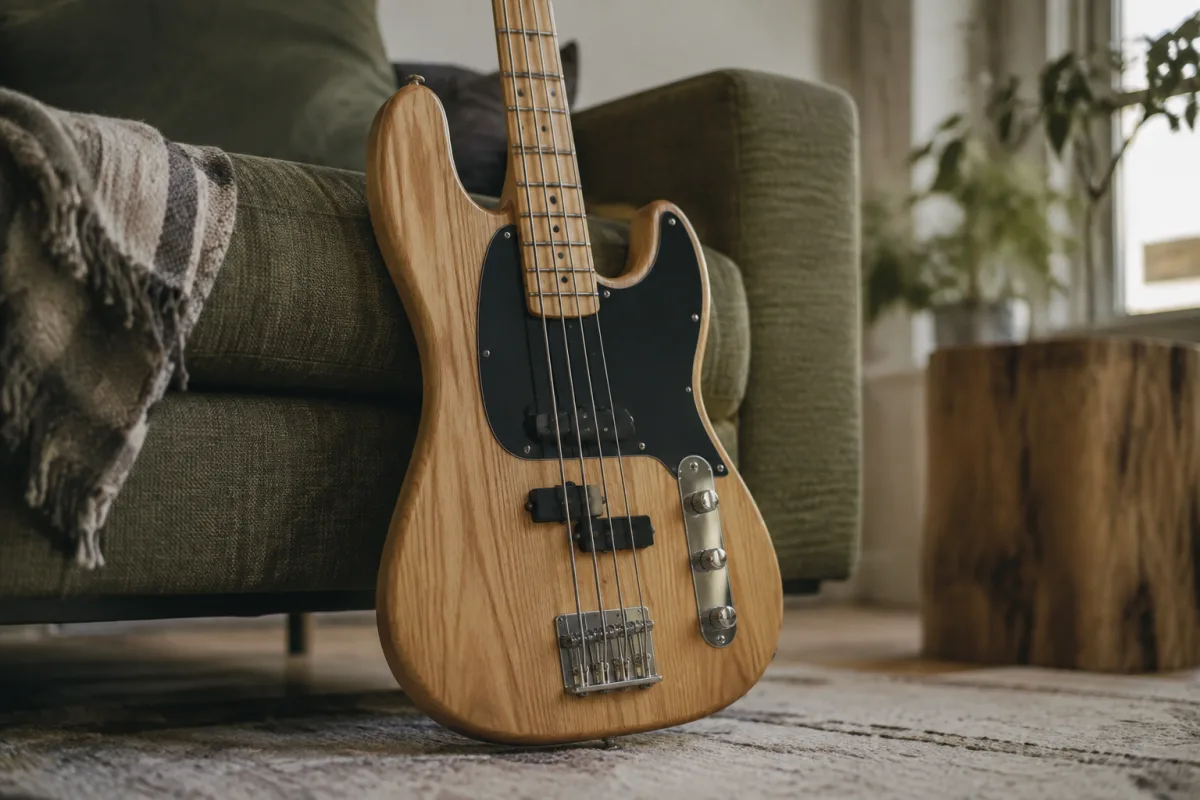
The Fender Telecaster bass is one of the most iconic and sought-after bass guitars in the world. If you're considering buying one, you've got good instincts—Telecaster basses are known for their punchy tone, reliability, and timeless design. But the Telecaster bass comes in many versions at vastly different price points, and buying the wrong one means either overspending for features you don't need or being frustrated with limitations. This guide helps you navigate the options and make a smart purchasing decision.
Understanding Telecaster Fender Bass Versions and Price Tiers
Fender makes several versions of the Telecaster bass, and understanding the lineup is the first step in making a smart purchase. The differences go far beyond cosmetics—they affect playability, tone, durability, and long-term satisfaction.
At the entry level, you have the Fender Telecaster bass Player and Squire versions, typically priced £200–400. These are legitimate instruments built on solid design principles, though with cost-saving measures in materials and components. Then comes the mid-range Standard and Professional series (£600–1200), where quality jumps noticeably. Finally, there are American-made models and vintage reissues (£1500–3000+), built to exacting standards for professionals and collectors.
This pricing reflects real differences in wood quality, electronics, build consistency, and resale value. Understanding where each tier sits helps you make a purchase aligned with your budget and needs.
Key Specs to Verify Before You Buy
Don't just look at price and color. These specifications determine whether a Telecaster bass will actually work for your playing style and situation:
- Body wood: American-made Telecaster basses typically use ash or alder. Import models sometimes use cheaper woods like poplar or plywood. Solid wood matters for tone and durability—verify you're getting solid body, not veneer.
- Neck wood and construction: Maple is the standard for Fender basses. Check that the neck is one-piece or two-piece bolted construction (not three-piece, which is weaker). Thicker necks feel more substantial and resist warping better.
- Pickups: Standard Telecaster basses have a single split-coil pickup. Higher-end models offer dual-pickup configurations. Understand what comes stock and whether the pickups suit your tonal preferences. Some players upgrade pickups immediately, which adds to total cost.
- Bridge type: Hardtail bridges (solid, fixed) are more common on Telecaster basses and generally preferred for their sustain. Some models have bridge covers. Check bridge material and whether saddles can be individually adjusted.
- Electronics: Entry-level models have basic electronics (volume and tone controls). Professional models offer more sophisticated wiring and better potentiometers that last longer. Higher-end models might include active electronics, which affect tone color and require batteries.
- Fretboard condition: For used models, check fret wear, fret height, and fretboard finish. Rosewood fretboards require more maintenance than maple.
- Hardware quality: Tuning machines and bridge hardware should feel tight and responsive. Cheap hardware contributes to tuning instability and frustration.
Identifying Common Purchasing Pitfalls
Buyers often make these predictable mistakes when choosing a Telecaster bass:
- Buying purely on price, then regretting it later: A £150 Telecaster bass plays noticeably worse than a £400 model. Poor setup, weak woods, and cheap electronics create frustration. If you're serious about bass, start at £300 minimum.
- Not playing before buying (online only): Even identically-specified Telecaster basses vary in feel and playability. Neck thickness, balance, and setup quality are subjective. Play multiple examples in person before committing.
- Ignoring setup costs: Used Telecaster basses often need professional setup and adjustment. Budget £50–150 for a proper setup after purchase. This isn't optional—a bad setup ruins the playing experience.
- Assuming all "Fender" basses are equivalent: Squire, Player, American Professional, and USA Custom Shop models are built to very different standards. Don't compare a £300 Squire directly to a £1500 American Professional—they're different instruments.
- Forgetting about resale value: American-made Fender Telecaster basses hold value well (60–70 percent after five years). Cheap import models depreciate faster. This matters if you might sell later.
- Not checking for factory defects: Fender occasionally ships instruments with finish issues, dead frets, or twisted necks. Inspect carefully before purchase and establish a return window with the seller.
Shopping by Budget: What to Expect at Each Price Point
Here's what a realistic Telecaster bass purchase looks like at different budgets:
- £150–300: Squire or budget Player models. Playable, decent design, but compromises in woods and electronics. Fine for absolute beginners testing the waters, but limitations become apparent quickly.
- £300–600: Standard Player or mid-range Squire models. Noticeably better playability and tone. Quality woods, decent pickups, solid hardware. Good entry point for anyone serious about bass.
- £600–1200: Professional series and higher-end import models. Excellent playability, professional-grade components, good resale value. Suitable for gigging musicians.
- £1200+: American-made and high-end models. Exceptional build quality, premium woods, professional electronics, excellent resale value. For professionals and collectors who demand the best.
New Versus Used: Making the Value Decision
A used American-made Telecaster bass at £900 might represent better value than a new Player model at £600, depending on condition and year. However, used instruments carry risks: potential hidden damage, wear, and lack of warranty. Buy used from reputable sellers, play before purchasing, and budget for setup if the instrument hasn't been professionally maintained.
New instruments come with manufacturer warranties and the assurance of proper setup. For first-time buyers, new is often the better choice despite higher upfront cost.
Making Your Telecaster Fender Bass Purchase
Start by defining your budget realistically. If you're committed to bass, invest at least £400–600 for an instrument you'll enjoy playing for years. Identify the specific Telecaster model that fits your needs (Player for versatility, Professional for gigging, Squire for budget-conscious learners). Play multiple examples in person if possible. Verify key specs match what's advertised. Then negotiate fairly and establish a return window.
For a more comprehensive overview of Telecaster bass guitars and their role in modern bass playing, check out our complete guide to Telecaster Fender bass. Take your time with this decision—a well-chosen Telecaster bass becomes a trusted instrument that serves you for decades. Get this right, and you'll have no regrets.


Comments