


Fender Player Telecaster article
Fender Player Telecaster for Beginners: A Complete Guide
Considering a Fender Player Telecaster? This beginner's guide covers the iconic Telecaster design, why it's perfect for learning, and what you need to get started.
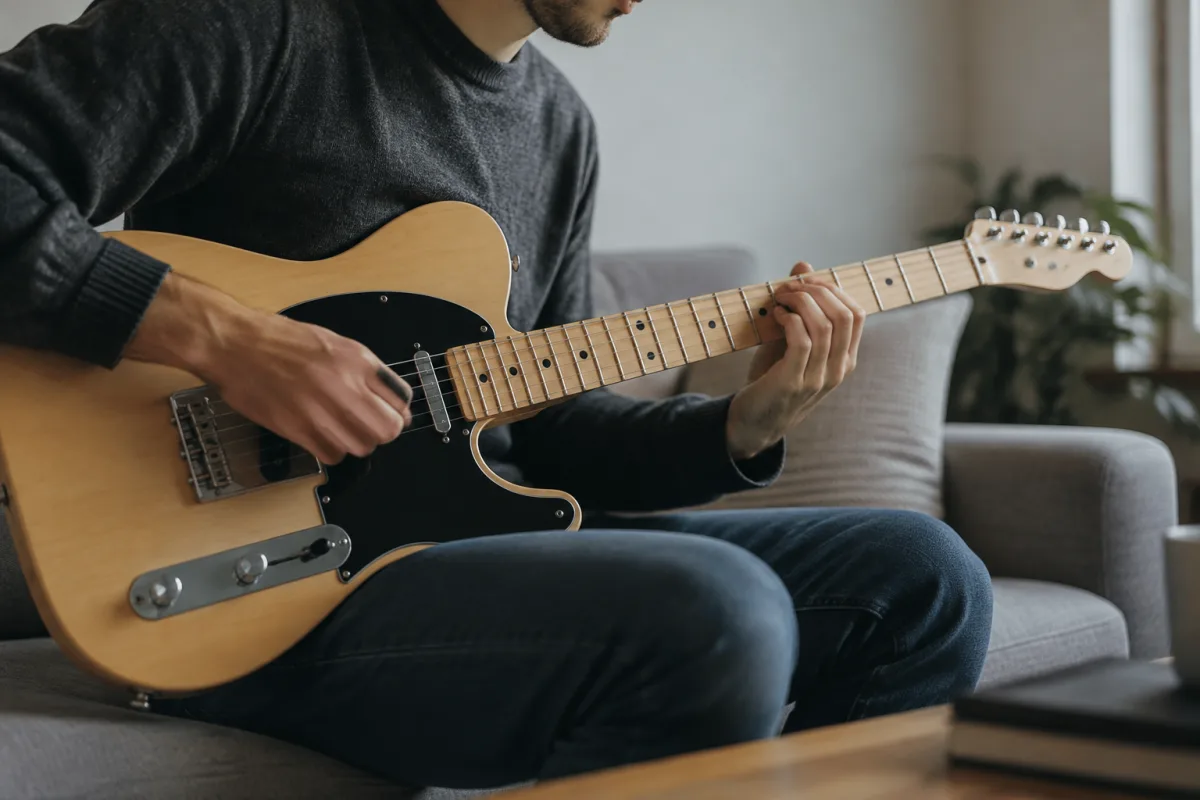
You're considering your first solid-body electric guitar and the Fender Player Telecaster keeps appearing in your research. Smart instinct. The Telecaster is one of guitar's most iconic instruments, and the Player series makes it accessible to beginners without compromising on quality or playability. This guide explains what makes the Player Telecaster special, why it's an excellent beginner choice, and what you can expect learning on one.
Understanding the Telecaster Lineage
The Telecaster was introduced by Fender in 1950 and is one of the first solid-body electric guitars ever made. It revolutionized music by enabling electric guitar to be portable, reliable, and loud. Countless legends have played Telecasters: Keith Richards, Prince, Bruce Springsteen, and countless others. When you buy a Telecaster, you're not just buying a guitar—you're joining a tradition spanning seven decades.
The Telecaster design is timeless: single-cutaway body, two single-coil pickups, simple elegant controls, bright punchy tone. It's defined rock, country, folk, and contemporary music. For beginners, this means learning on an instrument that sounds unmistakably professional—there's no "beginner guitar" tone to overcome.
What Is the Fender Player Series?
Fender organized their electric guitar lineup into tiers. The American Professional series is premium-priced. The Player series sits one tier down—significantly cheaper but retaining core Fender quality. The Player Telecaster bridges affordability with authenticity.
Price Point: £400–£600, depending on retailer and finish. Half the price of a US-made Fender, less than a quarter the price of an American Professional.
Manufacture: Player guitars are made in Mexico or Indonesia, not America. This isn't a downside—modern Mexican Fenders rival American instruments in playability and tone. Manufacturing costs are lower, prices are lower, but quality standards remain high.
Quality Level: Solid construction, decent pickups, comfortable neck, good fretwork. Absolutely suitable for decades of playing. No apologies needed—this is a real guitar, not a toy.
Key Features of the Fender Player Telecaster
Body: Solid alder wood, traditionally used by Fender. Lightweight, resonant, comfortable to play standing or sitting. Available in classic finishes (Black, Buttercream, Silver) and modern colours.
Neck: Modern C-profile, comfortable and not too thin or thick. Maple neck with rosewood fingerboard (standard). Feels substantial and well-made. 21 frets (standard for Telecasters). 25.5-inch scale (standard, good for most hand sizes).
Pickups: Player series uses Alnico pickups (magnetic poles made from Alnico alloy)—not the premium vintage pickups found in higher-end models, but genuinely good. Warm, articulate tone. Perfect for beginners learning clean tones and overdrive.
Hardware: Chrome die-cast hardware, standard spec. Solid bridge, reliable tuning machines. Not boutique but reliable and long-lasting.
Electronics: Tone and volume controls, 3-way pickup selector (neck, middle position combining both, bridge). Simple, straightforward, exactly what beginners need. No unnecessary complexity.
Why Beginners Love the Fender Player Telecaster
Iconic Tone: Bright, snappy, articulate single-coil tone. Instantly recognizable, used in countless hit records. Play a Telecaster and you sound like a Telecaster—no mysterious tone you have to grow into.
Simple Controls: Volume, tone, pickup selector. No confusing switching systems or complex electronics. What you see is what you get. Easy to understand and adjust tone on the fly.
Lightweight and Comfortable: Alder body is light (around 3.5kg). Thin single-cutaway doesn't dig into your ribs. You can practise for hours without fatigue. This matters more than you'd think.
Authentic Without Premium Pricing: This is a real Fender Telecaster, not a budget imposter. Brands matter in guitars, and Fender's reputation is earned. Resale value is solid—you won't lose your investment if you decide to upgrade later.
Versatile Across Genres: Telecasters work in rock, blues, country, pop, folk, indie, and experimental music. You're not locked into one sound. As you explore genres, your Telecaster grows with you.
Comparing to Alternatives at the Same Price Point
| Model | Price | Pros | Cons |
|---|---|---|---|
| Fender Player Telecaster | £400–£600 | Iconic tone, Fender reliability, resale value, timeless design | Single-coil pickups can hum near electrical interference, simple controls might feel limiting later |
| Fender Player Stratocaster | £400–£600 | Versatile tone, vibrato arm, double-cutaway comfort, extremely popular | More complex to maintain, vibrato systems require setup knowledge |
| Ibanez RG Series | £350–£500 | Modern design, thin neck, fast playability, affordable | No Fender prestige, less versatile tone for beginners, smaller resale market |
| Squier Telecaster | £150–£250 | Budget-friendly, playable, Fender brand entry point | Noticeably lower quality, fret work often needs professional setup |
Setting Up Your First Fender Player Telecaster
When your Telecaster arrives:
- Unbox carefully. Inspect for shipping damage (rare, but happens).
- Let the guitar acclimate to room temperature and humidity for 24 hours if shipped from a different climate.
- Budget £30–£50 for professional setup (bridge height adjustment, truss rod check, fret levelling assessment, string height, intonation).
- Have the setup technician check that everything is optimized for your preferred string gauge and tuning.
- Replace factory strings immediately—they're usually old and dull-sounding.
- Play for a week, then return for final tweaks if needed. Your preferences might require adjustment after initial playing.
Essential Accessories for Your New Telecaster
- Amplifier: Essential! A small 15–20W practice amp (£60–£150) is perfect for beginners. You can't learn electric guitar without one.
- Cable: Standard 1/4-inch guitar cable. £5–£15. Buy a decent one—cheap cables introduce noise.
- Strap: Allows standing play. £15–£50. Comfort matters during long practise sessions.
- Tuner: Electronic tuner £15–£40. Essential for staying in tune.
- Strings: Replacement sets cost £5–£10. Buy several sets now; you'll break strings learning.
- Stand or Wall Hanger: Keeps your guitar accessible, inspiring daily play. £20–£50.
- Capo: Useful for certain songs. £5–£15.
- Gig Bag or Case: Protection during transport. Gig bags are lighter (£30–£60); hard cases are maximum protection (£60–£150).
Learning on a Telecaster: Tone Development
Telecasters reward learning tone control. Here's why this matters:
Turn the tone knob down, and you get warm, woody tones. Straight up at 10, you get bright, cutting tones. This simple control teaches you how guitars sound changes with tone shaping. As a beginner, you'll discover that tone is as important as technique. A Telecaster teaches this naturally.
Switching between neck and bridge pickups reveals different character. Neck is warm; bridge is bright. This pickup switching is fundamental guitar learning and the Telecaster makes it intuitive.
Common Beginner Mistakes With Telecasters
Ignoring the setup: A Telecaster out of the box is playable but not optimized. Professional setup transforms the experience. Don't skip it.
Leaving single-coil hum unaddressed: Single-coil pickups naturally hum near fluorescent lights or electrical equipment. This is normal, not a defect. Learn to angle the guitar or move position to minimize hum. It's a Telecaster characteristic, not a problem.
Struggling with tone control: Beginners often max out tone and volume, missing the tonal subtlety Telecasters offer. Experiment with tone control positions. You'll discover new sounds.
Rushing into effects: Focus first on clean tone, technique, and simple overdrive (from your amp's drive channel). Effects are fun but secondary. Learn your Telecaster's voice first.
Upgrading Over Time
The Player Telecaster is not a "starter guitar you outgrow." It's a guitar you'll still play in a year or ten years. Many professionals play Player series guitars alongside expensive instruments. You can:
- Upgrade pickups later (genuine Fender Custom Shop pickups are available as drop-in replacements)
- Experiment with different bridges or hardware
- Change finishes through refinishing
- Modify electronics
The point: you're not buying a stepping stone; you're buying a guitar with upgrade potential. Enjoy it as-is, and modify only if you want to.
Resale Value and Investment
Fender Player Telecasters hold value well. If you decide to sell or trade up, you'll recoup 60–70% of purchase price after a few years. Compare this to budget guitars that lose 80%+ of value. This isn't a financial argument for buying expensive gear—it's simply recognition that quality Fenders are valued in the market.
For a comprehensive exploration of Telecaster variations, playing techniques, and the full Fender lineup, consult the complete guide to Fender Player Telecaster.
Conclusion
The Fender Player Telecaster is an exceptional beginner's guitar. Iconic tone, simple controls, comfortable playability, authentic Fender quality, and reasonable price make it perfect for someone serious about learning. You're not compromising by choosing the Player series over premium models—you're being smart with your budget. Get one, invest in professional setup, buy an amplifier, and start playing. Within months, you'll be producing recognizable music on an instrument that legends have played. That's a powerful feeling that keeps you practising and improving for years to come.


Comments