


Fender Player Telecaster Buying guide
Fender Player Telecaster: A Complete Buyer's Guide
Thinking of buying a Fender Player Telecaster? Discover what to look for, how it compares to rivals, and whether it's worth the investment.
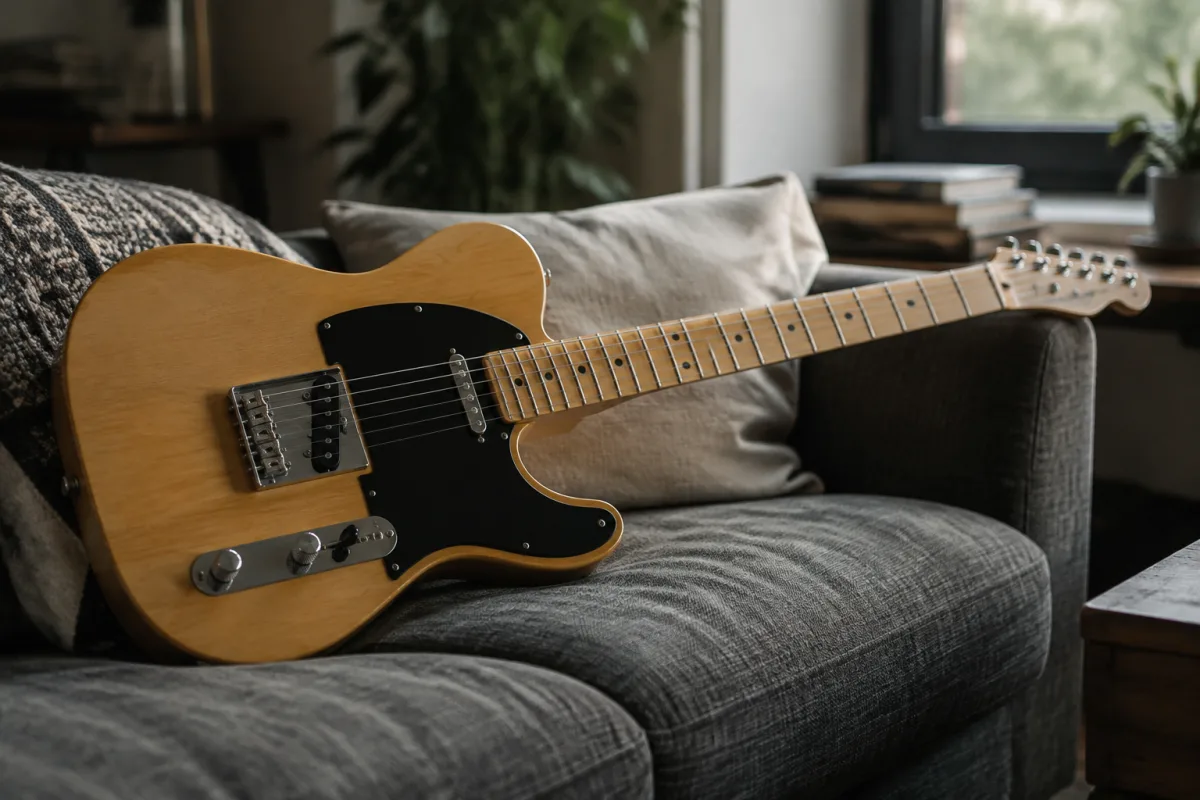
The Fender Player Telecaster occupies an intriguing middle ground—it's affordable enough for a serious amateur or developing player, yet built with enough care and quality materials to stand up to regular gigging. If you're considering buying one, you'll want to understand what you're getting for your money, how it compares to alternatives at the same price point, and which specific features actually matter for the kind of music you play.
Understanding the Player Series Position
Fender's Player series sits between their budget Squier line and the mid-range American Professional models. The Fender Player Telecaster typically costs £500–£700, making it substantially cheaper than American-made Fenders but considerably more refined than budget alternatives. This price tier targets players who've moved beyond complete beginner status and want genuine quality without stretching their budget.
The Player Telecaster's target audience includes intermediate hobbyists, session players on a budget and gigging musicians in covers bands who need reliability without major expense. If you're buying your first "proper" electric guitar or upgrading from a Squier, this sits in the sweet spot.
Build Quality and Materials Worth Examining
Before committing to a Fender Player Telecaster purchase, inspect the fundamentals that define the instrument's playability and durability.
Body and Neck Wood. The Player Telecaster uses solid alder for the body and a modern "20-fret modern C" maple neck. Alder is lighter than ash (used on pricier models) but still delivers resonance and sustain. The maple neck is stable and straightforward to maintain. Run your hand along the finish—quality Fenders feel smooth and consistent; cheap competitors show rough spots or uneven stain.
Fretboard and Frets. Expect a pau ferro fretboard (darker wood, smooth feel) with decent medium-jumbo frets. Check that frets are level by sighting along the fretboard lengthwise—they should appear as a single gleaming line. Uneven frets compromise intonation and playability.
Finish. Player Telecasters come in various colours with either gloss or satin finishes. Satin finishes feel nicer under the fingers and hide fingerprints better. Gloss looks more polished but feels slightly stiffer. Choose based on personal preference, but confirm the finish is flawless—no bubbles, runs or bare spots.
Electronics and Tone Considerations
The Fender Player Telecaster's electronics shape its sonic character. Understanding these elements helps you judge whether the guitar suits your intended use.
Pickups. Standard Player Telecasters include two Alnico V single-coil pickups—a neck and bridge configuration. Alnico V pickups are bright and punchy, ideal for country, rock and funk. If you prefer a darker, thicker sound (blues, classic rock), you might want to audition the guitar first or consider upgrading the bridge pickup later. The stock pickups aren't top-tier but they're respectable and rarely a deal-breaker.
Controls and Switching. The Player Telecaster uses a simple three-way pickup selector switch. Controls are straightforward: one volume, one tone. This simplicity is intentional—fewer knobs mean fewer things to fail and easier on-stage reliability. The wiring is solid and the pots (volume and tone controls) are smooth without crackle, which suggests decent quality internal components.
Bridge and Tuning Stability. The Player uses a traditional hardtail bridge (no tremolo), which means rock-solid tuning stability but no vibrato effects. If you're wedded to tremolo arms, you'll want a different model. For most electric players, the hardtail is an asset—you won't accidentally detune yourself during an energetic performance.
Playability Factors Before You Buy
The final test is how the Fender Player Telecaster feels in your hands. These elements matter more than specs on paper.
| Playability Factor | What to Check | Acceptable Range |
|---|---|---|
| Action (string height) | Measure at the 12th fret, bass side to treble side | 1.6–2.0mm bass, 1.4–1.8mm treble. Anything higher feels tiring; lower risks buzz. |
| Neck Twist | Sight along the fretboard from headstock to body | Should appear perfectly straight. Any twist is a red flag. |
| Fret Sprout | Look for small gaps between the frets and fretboard wood | Slight sprout near the headstock is normal; excessive sprout suggests poor storage or defects. |
| Nut Slot Width | Check space between the strings at the headstock | Strings should sit in the nut grooves without touching adjacent slots. |
| Output Volume | Plug in and play through an amp | Should be reasonably loud with good clarity. Weak output suggests pickup issues. |
Comparing to Alternatives at Similar Price Points
Before buying a Fender Player Telecaster, consider what else £600 could purchase. An Epiphone Les Paul or a Schecter solid-body in this price bracket offers different tonal characters and body styles. A used American Standard Telecaster (10+ years old) might be available at similar money, offering slightly better resale value. Test multiple instruments in your price range to ensure the Player Telecaster is truly the best fit, not just the most familiar brand name.
New vs. Used: Value Considerations
A new Fender Player Telecaster carries manufacturer's warranty and no unknown history. Used examples (2–5 years old) often sell for £350–£500 if in good condition, representing significant savings. Buy used from a reputable guitar shop with a return window; avoid private sales without inspection unless you're confident assessing guitar condition.
Budget for Setup and Ongoing Maintenance
New guitars from the shop often need professional setup (£40–£80) to optimize action, intonation and overall playability. Budget this into your purchase. Factor in strings (replace every 1–3 months, depending on playing frequency) and occasional cleaning supplies. The Fender Player Telecaster is relatively low-maintenance, but like all electric guitars, it benefits from regular care.
Resale Value and Long-Term Ownership
A well-maintained Fender Player Telecaster typically holds 50–60% of its purchase price after 5 years, making it a reasonable long-term investment. If you treat it well and later upgrade to a premium instrument, you'll recover a decent portion of your money. This is one reason buying from an established manufacturer matters—resale and future trade-in value are predictable.
Conclusion: Is the Fender Player Telecaster Worth Buying?
The Fender Player Telecaster delivers legitimate quality at a mid-range price. It's not the cheapest Telecaster you can buy, nor is it a premium hand-built instrument. Instead, it's a reliable, straightforward electric guitar that handles gigging, practice and recording with competence. Its simple design and solid electronics make it easy to service and modify if you want upgrades later. If you appreciate the classic Telecaster tone and body style, and your budget sits around £500–£700, the Player is a sensible choice. Play one first, check the setup, and you'll own a guitar that serves you well for years to come.


Comments