


Takamine Electric Guitar Buying guide
Takamine Electric Guitar: A Complete Buyer's Guide
A comprehensive guide to choosing the right Takamine electric guitar for your budget and playing style, covering specs that matter, wood types, electronics, and common pitfalls.
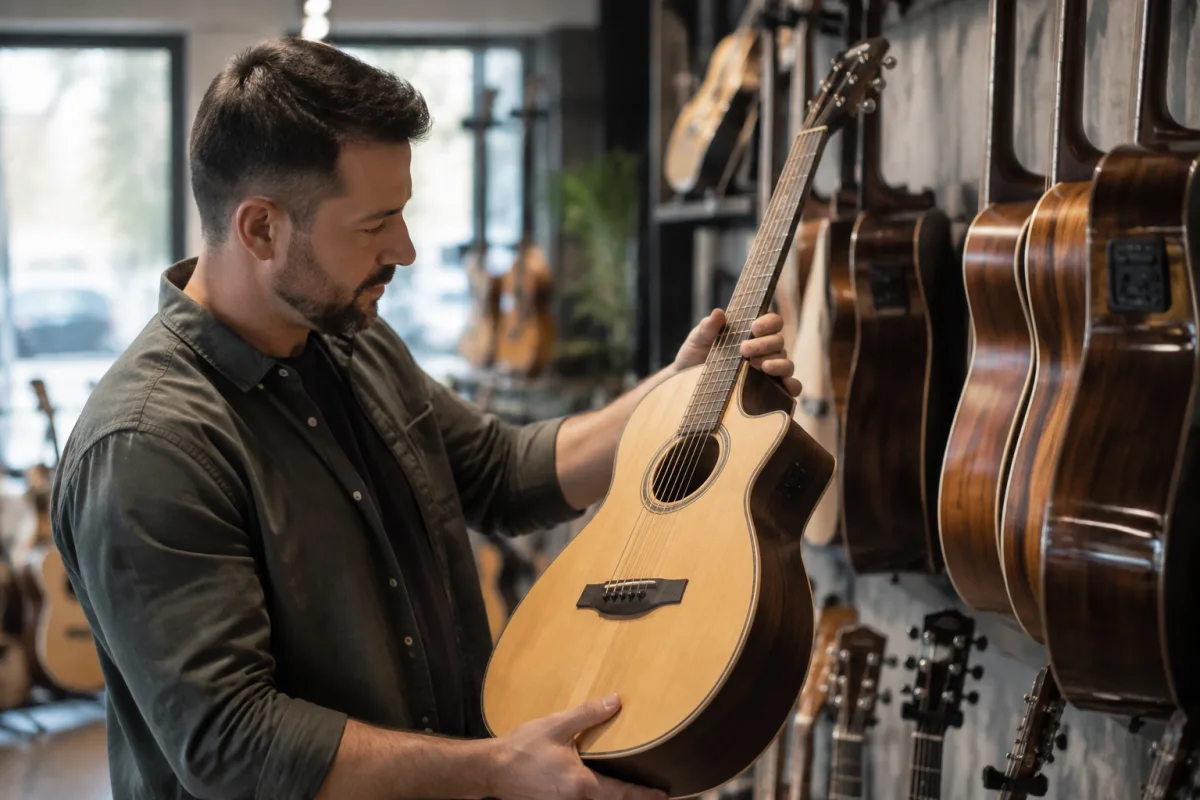
How to Buy a Takamine Electric Guitar: Specs That Matter
Buying a Takamine electric guitar means choosing from a reliable brand known for excellent build quality and amplified warmth—but the range is broad, prices vary significantly, and it's easy to overspend on features you won't use or underspend on durability you will. This guide cuts through the spec sheet and shows you exactly what to look for, what to skip, and how to spot a genuine bargain from a false economy.
Price Tiers: What You're Actually Getting
Takamine electric guitars sit across several price bands. Understanding each tier prevents buyer's remorse:
- Budget tier (£200–400): Takamine's entry-level electro-acoustic models. Solid build, honest amplified tone, playable action out of the box. These are real instruments, not training wheels. Good if you're budget-conscious and won't regret them.
- Mid-range (£400–800): Where the bulk of Takamine's electric range sits. Thicker woods, more refined electronics, better tonal shaping. This is the "sweet spot" for most players—genuine improvement from budget tier without paying premium prices.
- Premium (£800–1,500): Boutique Takamine electrics with superior woods, handcrafted details, and studio-grade pickups. You're paying for noticeable tonal refinement and artisan build quality.
- Collector/Limited (£1,500+): Rare finishes, signature artist models, or vintage Takamines. Resale value holds well, but you're buying heritage as much as sound.
Most players find their sweet spot in the mid-range (£500–700). That's where build quality and sound genuinely jump, and you're not overpaying for boutique aesthetics.
Wood Type: The Foundation of Tone
Wood choice affects your Takamine's warmth and sustain more than anything except the pickup. Know what you're buying:
- Spruce tops: Bright, articulate, responsive. The standard top wood. Most Takamines use Sitka spruce (warm and punchy) or European spruce (even brighter). Beginners often prefer spruce because it's forgiving and "sings" easily.
- Cedar tops: Warmer, mellower, aged tone even when new. Cedar is more delicate and demands careful humidity control, so it's best for serious players or studio instruments. Beautiful, but higher maintenance.
- Back and sides: Rosewood (warm, complex), mahogany (punchy, direct), or sapele (similar to mahogany, slightly brighter). Rosewood is the prestige choice and costs more. Mahogany is brilliant and ages wonderfully.
- Laminate vs. solid wood: Budget Takamines often use laminated (plywood) backs and sides to reduce cost. Solid wood sounds richer and is worth the extra expense if you can afford it. Laminate is durable and won't crack, but tone is thinner.
Spruce tops with mahogany back and sides is the classic, foolproof combination. You can't go wrong.
Pickup and Electronics: Amplification Matters
Your Takamine's amplified tone depends entirely on the pickup and onboard electronics. This is where budget cuts hurt most:
- Takamine CTP-1 system: Takamine's entry-level piezo pickup. Honest, warm, plug-and-play. Suitable for beginners, but lacks dynamic response. You won't regret it, but you'll notice the difference if you upgrade later.
- Takamine TP-4 system: Mid-range preamp with better tone shaping. More flexible EQ, lower noise floor. A genuine step up from the CTP-1. This is where most players notice a real improvement.
- Takamine PU-7 system or higher: Studio-grade electronics with separate pickup and preamp, true tone sculpting, and minimal feedback. If you're gigging or recording, this is worth the premium (usually adds £300–500 to the price).
For bedroom playing, CTP-1 or TP-4 is perfectly adequate. For gigging or recording, invest in a PU-7 system or equivalent.
Body Shape and Comfort: Play-ability Matters
Takamine makes several body shapes. Choose based on your playing style and how the guitar feels against your body:
- Dreadnought (full-size, narrow waist): Powerful, punchy, loud. The standard for fingerstyle and folk. Excellent all-rounder if you don't know what you want.
- Grand Auditorium (balanced, modern waist): Comfortable, balanced, versatile. Easier to manoeuvre than dreadnoughts, similar volume. Better for smaller players or anyone who finds dreadnoughts awkward.
- Jumbo (large, rounded): Maximum projection and bass response. Beautiful for strumming, but large and not everyone's size-comfortable.
- Concert/Parlour (small, intimate): Lower volume, warm, intimate tone. Great for fingerstyle players or those who value portability and comfort over sheer volume.
Try different shapes before you buy. A guitar that feels wrong in your arms will never feel right, no matter how good the tone.
Action and Setup: The Hidden Cost
Action—how high the strings sit above the fretboard—directly affects playability. Most Takamines ship with reasonable factory action, but "reasonable" often isn't "perfect for you". Budget £40–80 for a professional setup after purchase.
- Check whether the seller offers a pre-purchase setup (some retailers do).
- Ask about the truss rod adjustment history (well-maintained Takamines have been checked).
- If buying used, ask for photos of the fretboard and headstock. Fret wear indicates hard playing; headstock cracks are a red flag.
A Takamine with perfect action is a joy; one with high action is torture. Factor setup cost into your purchase decision.
New vs. Used: Where the Value is
Takamines hold value remarkably well, making the used market genuinely good:
- New: Full warranty (usually 2 years), consistent condition, no hidden damage history. You're paying slightly more, but you know exactly what you're getting.
- Used (1–3 years old): Often 15–25% cheaper than new. Minimal play wear, all original parts, warranty usually transferred. Excellent value if you find one carefully maintained.
- Vintage Takamine (10+ years old): Often 30–40% cheaper than new. Aged wood sounds warmer. Check fret wear, electronics function, structural integrity. A well-kept vintage is genuinely better than a cheap new instrument.
Buy used from reputable sellers (reverb.com, eBay, local shops) where you have recourse if something is wrong. Avoid private sales unless you can inspect the guitar in person.
Common Pitfalls When Buying
Avoid these mistakes:
- Overpaying for a finish: A beautiful natural finish costs the same as a sunburst internally. Don't let aesthetics drive your decision. Buy the best tone/wood within your budget, regardless of colour.
- Underestimating setup cost: Cheap guitars need expensive setups. An affordable Takamine with a £60 setup costs less total and plays better than a £1,200 guitar with poor action.
- Ignoring electronics quality: A CTP-1 pickup will sound thin through a great amp, and no amp fixes it. Don't cheap out on the preamp system.
- Buying without playing: Online reviews are useful, but guitars vary. Play before you commit if possible. A guitar that feels wrong in your hands is a bad purchase, regardless of specs.
- Overpaying for a brand name: Takamine's reputation is genuine, but a mid-range Takamine isn't substantially better than a high-end competitor's model at the same price. Spend your budget on wood and electronics, not brand tax.
Checklists: New vs. Used
Before buying new, check:
- Pickup system (CTP-1, TP-4, PU-7?) matches your budget and playing level.
- Wood type matches the tone you want (spruce top, rosewood vs. mahogany).
- Body shape feels comfortable in your arms.
- Action height is acceptable (ask the dealer, or expect to budget £50–70 for setup).
- Retailer offers a warranty and easy returns.
Before buying used, check:
- Frets are even (no dips or high spots—sight down the neck).
- Headstock has no cracks or repairs.
- Electronics work (plug in if possible).
- No warping in the body or top.
- Tuning pegs turn smoothly.
- Action is acceptable (if not, budget additional setup cost).
For more detailed information on Takamine electric guitars and their full range, see our complete Takamine electric guitar guide, which covers models, features and the brand in depth.
Conclusion
Buying a Takamine electric guitar is a smart investment—the brand's durability and amplified tone hold value and satisfy players for decades. Focus your budget on body shape (play comfort), wood quality (tone), and electronics (amplification), and you'll find a guitar you genuinely love. Whether you're spending £300 or £1,000, the principles are the same: listen carefully, understand what matters to your playing, and don't be tempted by cheap compromises on critical specs. A well-chosen Takamine will reward you every time you plug in.
Frequently Asked Questions
Q: What's the best price range for a Takamine electric guitar?
The sweet spot is £500–700. Budget tier (£200–400) works but sounds thinner. Mid-range (£400–800) offers genuine tone improvement without premium pricing. Premium (£800+) is for professionals or collectors.
Q: Should I buy new or used?
Used Takamines (1–5 years old) from reputable sellers are excellent value, often 15–30% cheaper with minimal play wear. Vintage (10+ years) are even cheaper but require careful inspection. New guarantees warranty and condition. Choose based on your comfort with the buying process.
Q: What pickup system should I buy?
CTP-1 is adequate for beginners. TP-4 is a genuine step up and recommended for most players. PU-7 is worth the premium if you're gigging or recording. Avoid ultra-budget systems without a proper preamp.
Q: Does the body shape really matter?
Yes. Dreadnoughts are loud and punchy. Grand Auditoriums are balanced and comfortable. Jumbos are projecting. Concert size is intimate. Try different shapes before buying—comfort and feel matter as much as tone.
Q: Should I choose rosewood or mahogany back and sides?
Rosewood is warmer and more complex but costs more. Mahogany is punchy and ages beautifully. Both are excellent. Laminate (plywood) is durable but sounds thinner. Solid wood is worth the investment if your budget allows.
Q: How much should I budget for setup and repairs after purchase?
Budget £40–80 for a professional setup (action adjustment, intonation check). Used guitars may need more. New guitars should need minimal setup, but it's worth the investment for optimal playability.
Q: Can I trust online reviews when buying a Takamine?
Online reviews are useful context, but guitar tone is subjective and individual guitars vary. Read multiple reviews, but try to play in person if possible. No review replaces your own ears and hands.
Q: Are Takamine electrics good value compared to competitors?
Yes. Takamine's reputation for quality is genuine, and their mid-range instruments outperform cheaper competitors. However, at the same price point (£600), a Takamine isn't drastically better than a high-end Yamaha or Fender. Buy based on tone and feel, not brand alone.


Comments