


Guitar Pickguard Stratocaster Buying guide
Guitar Pickguard Stratocaster: A Complete Buyer's Guide
Choosing the right guitar pickguard stratocaster involves understanding materials, mounting specs, and your actual needs. This buyer's guide covers everything you should know before purchasing.
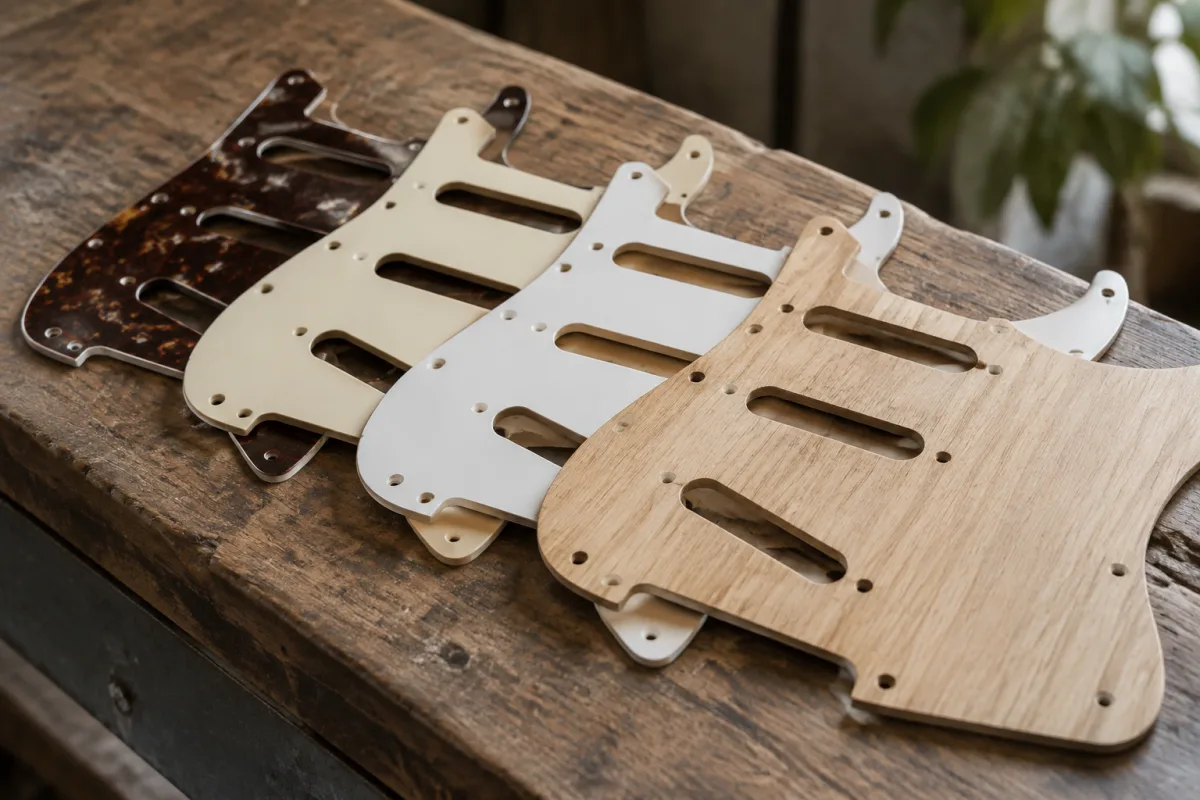
A pickguard is either purely practical—protecting your Stratocaster's finish from pick scratches and spills—or one of your guitar's defining visual features. Which it is depends entirely on what you choose to buy. The guitar pickguard stratocaster market has exploded beyond the simple cream guard that came on your instrument. Whether you're protecting a genuinely expensive finish or refreshing your guitar's appearance, understanding what actually matters when buying a guitar pickguard stratocaster will save you money and keep you from purchasing regrettable mistakes.
Material: The Foundation of Every Guitar Pickguard Stratocaster Decision
Stratocaster pickguards come in three primary materials, each with genuine trade-offs. Plastic—either celluloid or PVC—is the traditional choice, used on virtually every vintage Fender. It's affordable, looks classic, and sits perfectly on the guitar. The downsides: celluloid warps and yellows over decades, PVC is fragile and prone to cracking. Tortoiseshell-pattern pickguard stratocaster models in plastic look fantastic and typically cost £20-£50.
Anodised aluminium is the modern upgrade. It won't warp, won't crack, and will protect your guitar's finish better than plastic. An aluminium guitar pickguard stratocaster costs £80-£150 and looks genuinely premium. The catch: it's heavier, conducts electricity (minor issue with shielded electronics), and changes how your guitar feels and sounds slightly. Some players report aluminium pickguards dampen treble marginally.
Wood pickguards—typically walnut or ash—represent the extreme luxury choice. They're beautiful, uniquely personal, and expensive (£150-£300+). A wood guitar pickguard stratocaster demands perfect guitar setup because wood responds to humidity changes. Installation is critical, and replacement mounting hardware might be necessary.
Specifications That Actually Matter When Choosing a Guitar Pickguard Stratocaster
| Specification | What It Means | Why It Matters for Guitar Pickguard Stratocaster Selection |
|---|---|---|
| Thickness | Measured in mm; typically 1.5–3mm for plastic, 2–3mm for aluminium | Thicker offers better protection; affects how electronics sit under the guard and can influence sustain slightly |
| Mounting Holes | How the guitar pickguard stratocaster attaches to your guitar body | Must match your guitar's hole pattern exactly. Standard Stratocaster pattern exists, but some guitars vary. Measure twice |
| Electronics Compatibility | Space for pickups, switch, potentiometer holes | Wrong cutout pattern means your guitar pickguard stratocaster won't sit flat. Verify against your specific guitar model |
| Finish | Gloss, matte, or textured surface; some metallic or translucent | Aesthetic choice, but affects fingerprints visibility and tactile feel. Gloss hides scratches less; matte hides everything better |
| Bevelled Edges | Smooth rounded edges vs sharp corners | Bevelled looks professional and feels better when you rest your arm. Sharp edges work but feel cheaper and catch fingers |
Price Tiers: What You're Actually Getting
Budget guitar pickguard stratocaster options (£15-£35) are adequate and survive years of use. They're thin plastic, often with visible mould lines and sharp edges. Expect cosmetic imperfections and occasional warping if you leave your guitar in direct sunlight. For protecting an affordable guitar or experimenting with colour, budget makes perfect sense.
Mid-range guitar pickguard stratocaster models (£40-£100) represent genuine value. This is where you find quality plastic with smooth finishes, genuine vintage tortoiseshell patterns, and proper attention to detail. Mounting holes are precise, edges are bevelled, and the guitar pickguard stratocaster will outlast your commitment to that particular guitar. Most players should buy in this range.
Premium options (£100-£300) add material upgrade, custom colours, or artisanal construction. Aluminium guitar pickguard stratocaster models sit here. So do hand-made wooden guards from specialist makers. These are investments, justified by appearance, durability, or personal significance. Don't buy premium unless the aesthetic genuinely matters to you.
Pitfalls to Avoid When Buying a Guitar Pickguard Stratocaster
The most common mistake is buying without measuring. Not all Stratocasters share identical hole patterns. Vintage American Fenders use one pattern; Modern Players use another; Squiers vary further. A guitar pickguard stratocaster that doesn't fit your specific model will sit crooked, requiring drilling, filing, or installing shims. Measure your existing pickguard or research your exact guitar model before ordering.
Don't assume cheap plastic looks bad. Many affordable guitar pickguard stratocaster models in simple colours look fantastic and feel premium. Tortoiseshell patterns at budget prices can be genuinely beautiful—just don't expect them to survive dramatic temperature swings without warping.
Avoid impulse-buying purely for colour novelty. That neon-bright guitar pickguard stratocaster looks fun in photos but sits uncomfortable with your guitar's existing colour scheme in person. Order samples from reputable shops if you're uncertain. Many builders offer cheap test prints before full production.
Don't underestimate installation difficulty. Removing old hardware, filing pickup heights if needed, and reinstalling everything requires basic skill and proper tools. If you're uncomfortable with guitar work, expect to pay £30-£50 for professional installation. A £50 guitar pickguard stratocaster becomes a £100 purchase with labour.
Colour and Finish Decisions
Classic colours—cream, white, black, tortoiseshell—suit virtually any Stratocaster and age gracefully. Custom colours demand caution. Neon guards look vibrant for six months, then clash with your guitar's aesthetic. Metallic finishes show every fingerprint. Translucent guards need perfect underlying finish quality or they'll highlight imperfections.
Matching your guitar's existing hardware matters. A black guitar pickguard stratocaster with gold hardware looks awkward next to chrome tuners. Chrome hardware, black pickguard, and black guitar work beautifully together. This sounds obvious, but colour harmony determines whether your guitar looks professional or accidentally discordant.
Performance Considerations: Does Your Guitar Pickguard Stratocaster Choice Affect Tone?
Honest answer: slightly. Plastic absorbs vibrations minimally. Aluminium dampens slightly. Wood varies depending on species and thickness. For most players, these differences are imperceptible. A genuine concern is shielding—aluminium offers electrical shielding benefits if you're in an electrically noisy environment. Otherwise, the guitar pickguard stratocaster you choose for aesthetic reasons is the right choice.
For in-depth exploration of how pickguards fit into complete Stratocaster specifications and maintenance, see our complete guide to guitar pickguard stratocaster. That resource covers professional restoration, historical context, and compatibility across Stratocaster generations.
Making Your Guitar Pickguard Stratocaster Purchase
Start by identifying your Stratocaster model exactly. Measure or photograph your existing pickguard and note hole positions. Decide whether you're prioritising protection (aluminium), aesthetics (plastic with colour), or artistry (wood). Set your budget—mid-range options offer best value-to-quality ratio for most players. Order from reputable sellers who offer returns or verification before shipping. Plan for installation time or professional assistance. Your guitar pickguard stratocaster will define your guitar's appearance for years, so choose thoughtfully. The investment in getting it right is worthwhile.


Comments