


Ibanez Les Paul article
Ibanez Les Paul for Beginners: A Complete Guide
Ibanez offers affordable Les Paul alternatives, but does this iconic heavy instrument suit your first guitar journey? This guide explains realities for beginners.
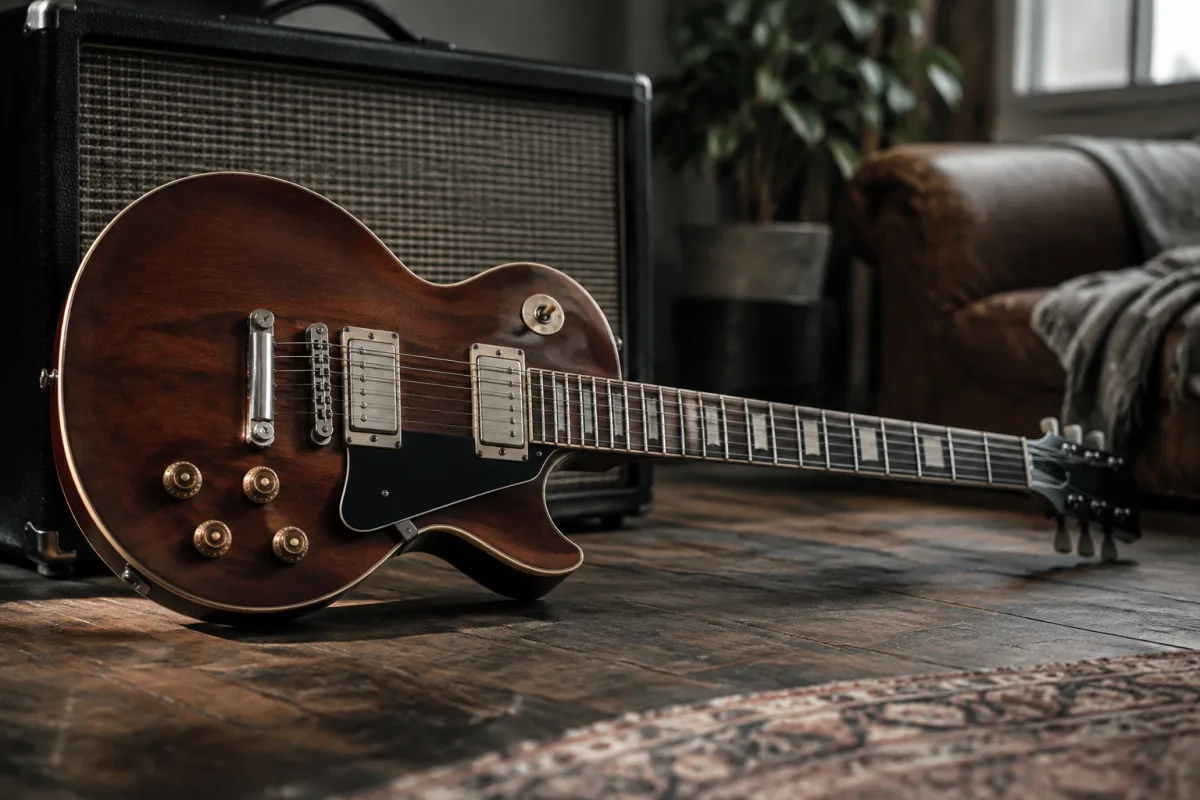
The Les Paul style remains one of electric guitar's most coveted designs—bold, powerful, and instantly recognisable. Ibanez offers affordable alternatives to Gibson's premium pricing, making Les Paul-style instruments accessible for beginners exploring this iconic aesthetic. But does an Ibanez Les Paul suit your first guitar journey, or should you consider different approaches? This honest guide explains realities for developing players.
Understanding Ibanez Les Paul Basics for Beginners
Ibanez Les Paul models replicate Gibson's classic design at roughly half the price, featuring similar body shapes, mahogany construction, and dual humbucker pickups. The result: players get substantial Les Paul-style character affordably. Beginners sometimes gravitate toward Ibanez Les Paul instruments for aesthetic reasons without understanding whether the design suits their playing style. Starting your journey requires honest assessment of whether you genuinely need this specific instrument type or whether marketing appeal exceeds practical benefit.
Weight and Comfort Realities for First-Time Players
Les Paul-style guitars (both Ibanez and Gibson) weigh approximately 3.5–4 kg—significantly heavier than slim-bodied electrics (typically 2–2.5 kg). This substantial weight creates shoulder and neck fatigue for beginners still conditioning their playing physiology. Extended practice sessions become physically challenging before technique even enters consideration. Many beginners select Les Paul models based on visual appeal, then discover weight demands exceeding their comfort expectations. Testing the instrument thoroughly in music shops before purchasing protects against this common regret.
Ibanez Les Paul vs. Budget Gibson Considerations
| Factor | Ibanez Les Paul | Budget Gibson | Beginner Implication |
|---|---|---|---|
| Price | £400–900 | £1,200–1,800 | Ibanez affordability reduces early-stage investment risk |
| Playability | Good for intermediate players | Better ergonomics for professional use | Both suitable for beginners; playability difference minimal initially |
| Tone | Solid character; modern voicing | Classic warmth; established reputation | Subtle differences; beginners don't yet maximise either |
| Resale Value | Lower resale; 40–50% retention | Higher resale; 50–70% retention | Ibanez better for experimenting; Gibson better for investment |
Common Beginner Mistakes With Ibanez Les Paul Guitars
Mistake one: assuming Ibanez Les Paul models deliver identical tone to Gibson guitars. Reality: tonal differences exist but prove subtle for developing ears. Beginners don't yet possess refined hearing distinguishing these nuances. Mistake two: underestimating weight impact. Purchasing a Les Paul-style instrument without testing extended playing creates regrets. Mistake three: overlooking setup quality. Budget Ibanez models sometimes need professional setup (£50–100) optimising playability—factor this into total cost. Mistake four: selecting based purely on aesthetics. Les Paul designs suit rock and blues; jazz and country players find poorly-matched instruments.
Who Should Actually Start With Ibanez Les Paul?
Ibanez Les Paul guitars suit rock-focused beginners who've test-played the instrument and confirmed comfort with its weight. Players with prior guitar experience and commitment to specific rock/blues styles justify Ibanez Les Paul selection. Beginners uncertain about their commitment should start with lighter, more affordable instruments, upgrading to Ibanez Les Paul after establishing genuine attachment to rock styles. This progression ensures confident purchasing decisions based on experience rather than aesthetic fantasy.
Honest Talk: Beginner Learning on Heavy Instruments
Heavy guitars create physical obstacles to developing technique. Beginners spend energy managing weight rather than focusing on hand positioning, fretting accuracy, and rhythm development. Lighter instruments let you concentrate on fundamentals without biomechanical compensation. You can always graduate to heavier instruments once skills mature and your body adapts to extended playing demands. Starting heavy often frustrates players who should focus on technique mastery in more comfortable circumstances.
Budget-Friendly Alternatives to Ibanez Les Paul
Lightweight Ibanez electric models (RG-series): £300–600, significantly lighter, excellent for developing technique. Squire Stratocasters: £150–300, proven entry-level platforms with huge aftermarket upgrade potential. Epiphone SGs: £300–600, more comfortable weight, similar tonal territory. These alternatives let beginners explore rock styles affordably while avoiding Les Paul weight burden until they genuinely need the instrument. Revisit Ibanez Les Paul after 12+ months when you understand your preferences and physical comfort requirements.
Making Your Ibanez Les Paul Decision Confidently
Test-play an Ibanez Les Paul extensively in a music shop—not just 10 minutes, but realistic practice session duration. Evaluate genuine comfort, not aesthetic appeal. If weight feels manageable and rock-focused playing excites you, Ibanez Les Paul offers legitimate value. If hesitation exists about the instrument's heaviness or you're uncertain about rock commitment, start lighter and upgrade later. This pragmatic approach prevents regrettable purchases limiting your learning journey. For comprehensive guidance on Les Paul guitar history and design philosophy, explore the complete guide to Ibanez Les Paul. Make informed decisions supporting your actual playing needs rather than romantic instrument choices.



Comments