


Ibanez Les Paul Buying guide
Ibanez Les Paul: A Complete Buyer's Guide
Learn what to look for when buying an Ibanez Les Paul guitar, from price tiers and tonewoods to electronics and common pitfalls.
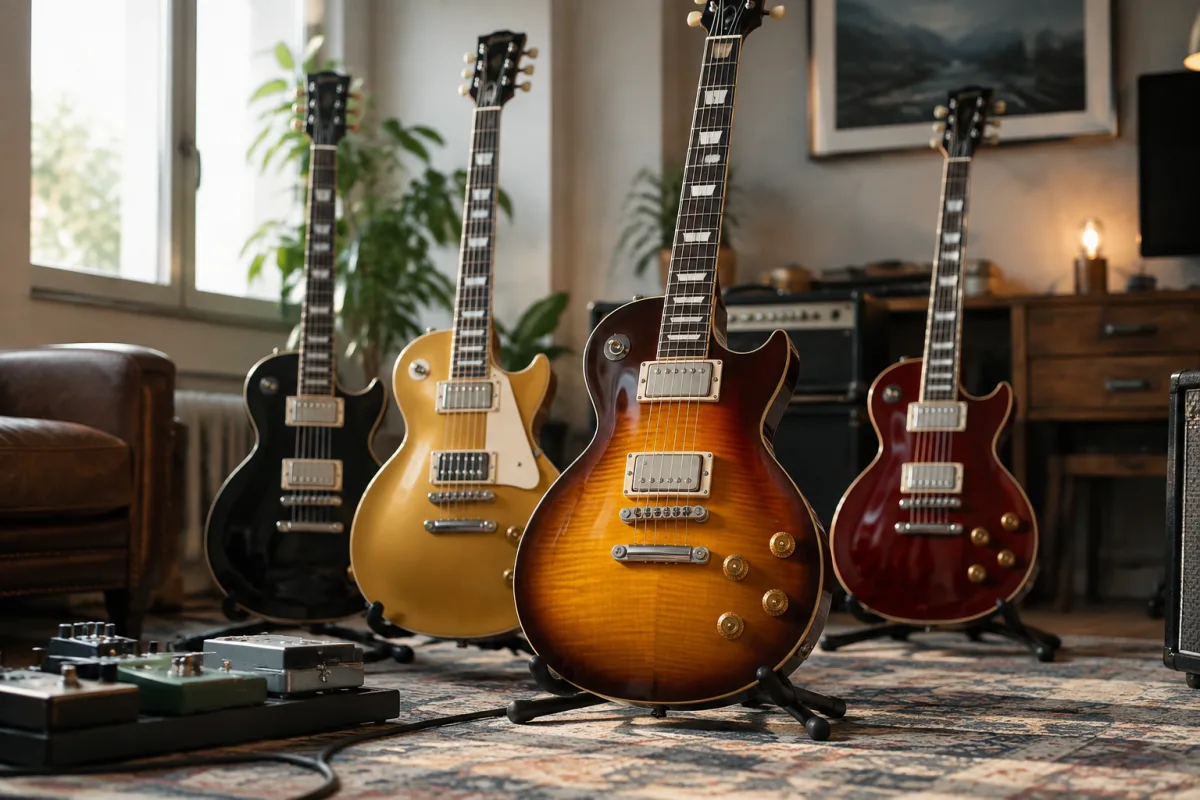
Buying an Ibanez Les Paul is a significant investment, and the sheer variety of models, finishes, and specifications available can feel overwhelming. Unlike the complete guide to Ibanez Les Paul guitars, this guide focuses specifically on the practical decisions you need to make when purchasing. Understanding the key differences between models, recognising quality indicators, and knowing what to check before you commit will help you find an Ibanez Les Paul that truly suits your playing style and budget.
Understanding Ibanez Les Paul Price Tiers
Ibanez Les Paul guitars occupy several distinct price brackets, each with different target players and sonic characteristics. Entry-level Ibanez Les Paul models, typically priced between £500 and £800, offer solid construction and playability for beginners and casual players. These instruments use standard hardwood bodies, acceptable electronics, and reliable hardware. Mid-range models, spanning £800 to £1,500, feature better tonewoods, more refined appointments, and improved pickups. Premium Ibanez Les Paul guitars, priced from £1,500 upwards, showcase superior materials, expert craftsmanship, and premium electronics. High-end and signature models can exceed £3,000, offering exotic woods, boutique pickup options, and meticulous finishing.
Consider your actual playing habits and budget before stretching beyond what you can realistically afford. A £1,000 instrument played regularly will serve you better than a £2,500 guitar left gathering dust.
Body and Tonewoods: What Matters
The body of an Ibanez Les Paul defines its tonal foundation. Mahogany bodies deliver warm, woody tones with natural sustain, making them the standard choice. Check that the mahogany is properly seasoned and free from visible damage or grain runout. The top veneer—often maple on more expensive models—contributes brightness and visual appeal but has minimal tonal impact if thin. Run your fingers across the top; quality instruments have smooth, even finishes without drips, sags, or rough edges.
Examine the body weight by holding it comfortably. Most Ibanez Les Paul guitars weigh between 3.5 and 4.5 kg. Heavier bodies sometimes correlate with denser wood and potentially better sustain, but excessive weight becomes problematic during long playing sessions. Look for symmetrical grain patterns and even colouring within the acceptable range of natural wood variation.
Neck and Playability Factors
The neck is where playability lives. Ibanez typically offers rounder, faster necks than some competitors, which many players appreciate. Sight down the neck from both the headstock and body to confirm it's straight. Minor relief (a slight curve) is normal and desirable; excessive backbow or forward bow makes playing difficult. The fretwork should be precise: each fret exactly level and smooth.
Check the action—the height of strings above the fretboard. Measure at the 12th fret; between 2mm and 2.5mm on the bass side and 1.5mm to 2mm on the treble side is typical. Play several frets up and down the neck to ensure no buzzing occurs at your playing volume and dynamics. Uneven fret wear across the board suggests the instrument has seen significant use; minor wear is acceptable on vintage finds but worth factoring into your valuation.
Pickups and Electronics
The pickups are your instrument's voice. Budget models typically feature basic ceramic or alnico pickups that work adequately but lack character. Mid-range Ibanez Les Paul guitars often use proprietary or partnered pickups that provide more tonal variety. Premium models may feature custom-wound pickups from respected manufacturers. Assess the pickup quality by listening to recordings of the specific model you're considering.
Examine the electronics: potentiometers should turn smoothly with consistent resistance throughout their range. Volume and tone controls should feel solid without scratching or crackling (minor crackling can often be cleaned out). Ensure all switches, if present, engage cleanly. Check that input and output jacks are securely seated and operate without noise. On used instruments, fresh capacitors and potentiometers can be relatively inexpensive upgrades if the rest of the instrument appeals to you.
Hardware and Structural Integrity
Quality hardware maintains tuning stability and contributes to overall feel. The tuning machines should turn smoothly with minimal wobble on the posts. Check that the bridge is level and sits firmly; it should not rock or shift when pressed. The tailpiece (if applicable) should be secure and not prone to rattling. Examine all visible screws and bolts—loose hardware is easy to tighten, but stripped screw holes or missing components indicate neglect.
Inspect the headstock closely for cracks or repairs, as these are difficult and expensive to fix properly. Look at the joint between the headstock and neck; this area takes considerable stress. Check the body edges, particularly around the lower bout and where the strap peg sits—these areas are vulnerable to dings and structural compromise. Small cosmetic dings are inevitable, but deep gouges, cracks, or evidence of impact damage should influence your decision.
Common Buying Pitfalls to Avoid
Many buyers overlook the importance of testing an instrument personally. "Bargain" online purchases without hands-on inspection frequently disappoint. Unverified condition descriptions from private sellers can hide significant issues. Be suspicious of unusually low prices paired with vague condition statements.
Don't assume all Ibanez Les Paul guitars sound similar. Variations in wood quality, pickup choice, and individual instrument characteristics are real. Playing a sample of models before deciding helps you understand your tonal preferences. Avoid making decisions based purely on aesthetics; stunning finishes don't compensate for poor playability or sound quality.
Another common mistake is purchasing without considering setup needs. Even brand-new instruments benefit from professional setup. Factor potential setup costs (typically £40-£80) into your budget. On older instruments, fret dressing or other maintenance might be necessary.
Where to Buy: Balancing Price and Security
Authorised Ibanez retailers and established music shops provide guarantees, return policies, and professional guidance. You'll pay full retail price, but you're buying security and support. Independent guitar specialists often have extensive inventory and may offer better pricing alongside expert knowledge. Online retailers can offer competitive pricing but vary significantly in return policies and customer service quality. Private sellers offer the best prices but present the highest risk; always arrange personal inspection and consider payment methods that offer buyer protection.
For used instruments, established vintage dealers provide certification and condition guarantees, though at premium prices. Auction sites and classified ads require careful evaluation but can yield exceptional value if you know what to look for.
Making Your Final Decision
Before committing to any purchase, create a checklist: Does the neck feel comfortable for your hand size? Does the action meet your preferences without buzzing or binding? Do the electronics function smoothly? Is the finish consistent and damage-free? Does the instrument inspire you to play? Does the price align with comparable models in similar condition?
Trust your gut feeling alongside rational assessment. An Ibanez Les Paul should feel like an extension of your musical voice, not a compromise. Take your time, compare multiple options, and remember that the best guitar is the one you'll actually play regularly.



Comments