


Guitar Les Paul Black article
The Complete Guide to Guitar Les Paul Black
The black Les Paul guitar blends legendary status with uncompromising tonal character, delivering warmth and sustain that has captivated musicians across generations.
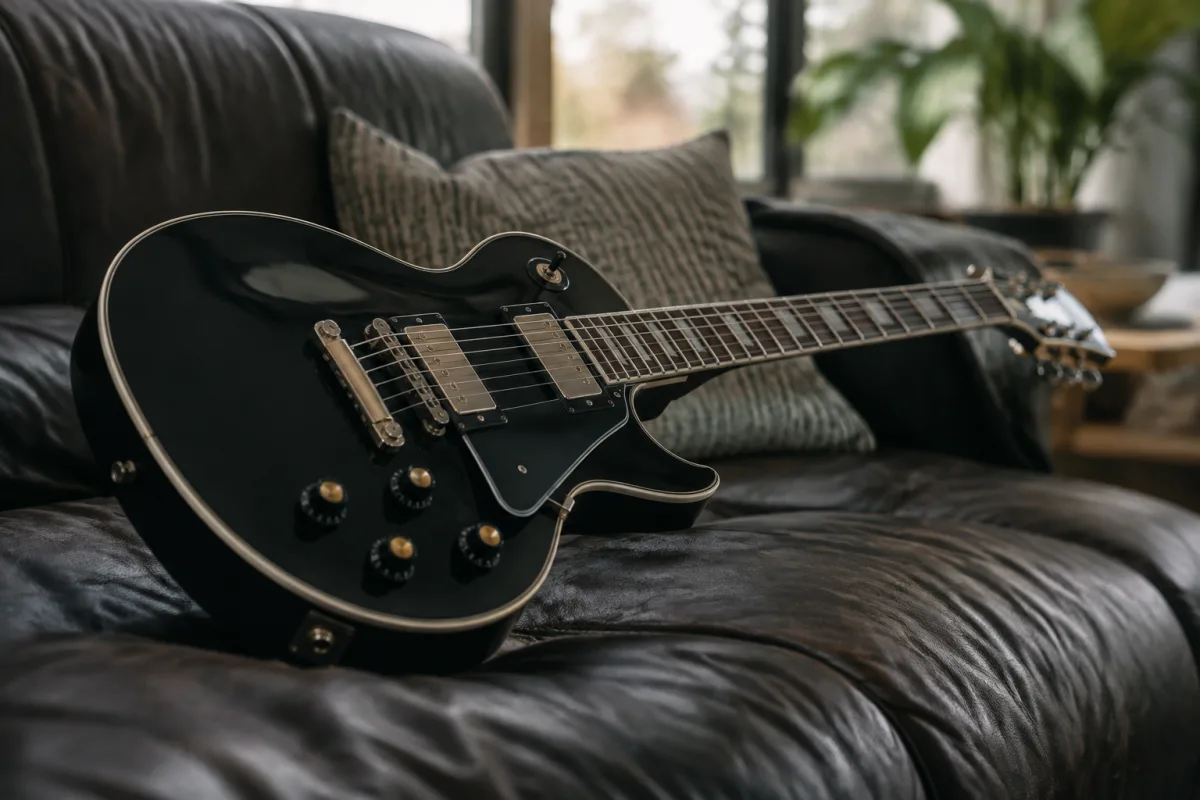
The Guitar Les Paul Black: Timeless Elegance and Powerful Tone
The black Les Paul guitar stands as one of popular music's most iconic visual and sonic statements. This classic finish—a deep, elegant black that ranges from gloss mirror shine to matte sophistication—has adorned countless famous instruments played by influential musicians across rock, blues, metal and alternative genres. Beyond mere aesthetics, the black Les Paul represents a marriage of stunning visual presentation and uncompromising tonal character, delivering sustain, warmth and expressive control that has captivated musicians for generations. Whether you're drawn to the instrument's legendary status, seeking tone reminiscent of classic rock recordings, or simply valuing the striking visual presence a black Les Paul commands on stage, understanding this instrument's characteristics proves essential.
The Les Paul Legacy
The Les Paul guitar debuted in 1952, designed in collaboration between Gibson and pioneering musician Les Paul himself. The design combined solid body construction, dual humbucker pickups and meticulous craftsmanship into an instrument capable of producing rich, warm tone with remarkable sustain. The black finish became iconic through countless legendary recordings and performances—when people visualise a classic rock guitar, the black Les Paul frequently appears in their mental imagery.
The instrument's tonal character stems partly from construction philosophy. Mahogany bodies, typically paired with maple tops, produce warm midrange and natural compression enhancing sustain. Humbucker pickups, originally designed for the Les Paul, deliver thick, full-bodied tone well-suited to blues bending and rock rhythm playing. This combination has proven so successful that the basic formula remains virtually unchanged after seventy years.
Black Finish Options and Variations
Black finishes vary considerably across the Les Paul lineup. Traditional gloss black features mirror-like shine, reflecting stage lights with dramatic effect. This aesthetic appeals to performers prioritising visual impact and classic rock presentation. Satin black finishes offer modern sophistication with reduced glare, suiting players preferring understated elegance to flashy presentation. Some manufacturers offer flat black matte finishes providing contemporary visual character.
The finish quality directly influences instrument longevity and appearance maintenance. Premium gloss black finishes from established manufacturers like Gibson resist checking and fading effectively. However, gloss finishes show fingerprints and dust more obviously than alternatives, requiring more frequent polishing to maintain appearance. Budget black finishes sometimes employ thin lacquer prone to chipping and fading, particularly under touring stresses.
Tonal Characteristics and Musical Applications
Black Les Pauls produce remarkably consistent tone across different manufacturers and price points. The instrument's solid construction and pickup design establish characteristic warmth and sustain prized in blues-influenced rock and classic metal contexts. Blues players favour the Les Paul's natural compression and smooth high-end response, which suits expressive string bending and sustained note passages. Rock musicians appreciate the thick, full midrange ideal for cutting through dense mixes.
Metal players discovered the Les Paul's capabilities in high-gain contexts. The thick pickup response and solid construction handle aggressive playing whilst maintaining clarity. Classic metal recordings frequently featured black Les Pauls, establishing the instrument's association with heavier musical contexts. Conversely, jazz musicians occasionally employ Les Pauls for their warm tone and expressive capabilities, though semi-hollow alternatives remain more common in jazz contexts.
Playability and Physical Characteristics
The Les Paul's traditional body shape influences playing characteristics significantly. The instrument sits heavily on the shoulder, with weight often cited as either a positive (contributing to tonal density through mass) or a negative (causing fatigue during extended standing performance). Neck thickness, typically chunkier than modern instruments, appeals to players preferring substantial neck feel but challenges those with smaller hands or preferring slimmer profiles.
Access to higher frets remains limited compared to modern designs with more pronounced cutaways. This design characteristic matters less for blues and rock playing centred on lower registers but can frustrate players exploring higher melodic passages. However, experienced Les Paul players often develop techniques compensating for limited upper fret access, proving the limitation surmountable through familiarity.
Gibson vs Epiphone: Black Les Paul Options
Gibson produces the original, premium black Les Paul guitars, featuring meticulous craftsmanship, premium materials and attention to detail reflected in correspondingly premium pricing. Gibson black Les Pauls typically feature genuine mahogany and maple construction, hand-matched tonewoods and experienced luthier assembly. These instruments command prices from £2,000 upward, representing genuine long-term investments.
Epiphone, Gibson's sister brand, produces more affordable black Les Paul alternatives. Contemporary Epiphone models offer impressive quality and playability at a fraction of Gibson's cost—typically £300–600 depending on specific model. The tonal difference remains noticeable to experienced ears, yet many working musicians employ Epiphone Les Pauls as reliable, affordable workhorse instruments.
Budget alternatives from other manufacturers often sacrifice tonal character and construction quality. The Les Paul's appeal depends significantly on meticulous construction and premium materials; cheaper alternatives frequently deliver disappointing results, making the Epiphone option more sensible for budget-conscious players than competing budget brands.
Build Quality Across Price Points
Premium Gibson black Les Pauls employ solid wood construction, careful fretwork and hardware quality ensuring instrument longevity. A well-maintained Gibson Les Paul often improves tonally over decades as wood oxidises and components settle. Mid-range models offer adequate quality with acceptable tone, though less meticulous craftsmanship than premium alternatives. Budget instruments often feature substandard hardware, inconsistent fretwork and finishes prone to checking.
Fretwork quality particularly influences playability and long-term satisfaction. Premium instruments arrive play-ready requiring minimal setup. Budget alternatives frequently demand professional setup and occasional fret dressing to achieve acceptable playability. This added expense should factor into purchase decisions when comparing instruments across price points.
Black Finish Aesthetics and Stage Presence
The black Les Paul's visual impact remains unmatched in guitarland. The classic silhouette combined with elegant black finish commands stage presence naturally, requiring no additional visual elements for maximum impact. Sunlight creates dynamic visual effects on gloss black finishes as the instrument angles during performance. This aesthetic advantage appeals particularly to performers prioritising visual presentation alongside musical capability.
Conversely, some players find black finishes less visually distinctive than alternatives. White Les Pauls or sunburst finishes possess distinctive character potentially more memorable than straightforward black. However, black's timeless elegance appeals to players valuing classic sophistication over contemporary distinctiveness.
Common Challenges and Considerations
The Les Paul's weight matters considerably—some players develop shoulder or back strain during extended performances. Testing extended playing periods before purchase proves worthwhile if weight sensitivity concerns you. The thick neck requires hand strength many developing players lack; starting with a slimmer instrument occasionally proves more sensible for young players later transitioning to traditional Les Paul dimensions.
Intonation can occasionally challenge because of bridge design. However, professional setup and quality parts typically resolve any intonation concerns. The black finish requires more frequent cleaning than lighter colours, as dust and fingerprints show obviously.
Your Next Black Les Paul
If considering a black Les Paul, budget and intended use should guide decisions. Working musicians frequently favour Epiphone models offering reliable performance without premium investment. Collectors and tone-focused players often justify Gibson investment. Regardless of choice, a black Les Paul rewards extended ownership through consistent playability, reliable tone and timeless aesthetic appeal that transcends musical trends.
The black Les Paul represents more than a guitar; it embodies rock and roll heritage, proven tonal character and aesthetic timelessness. Investing in quality construction—whether Gibson or Epiphone—ensures the instrument serves faithfully through years of musical exploration and performance.


Comments