


Guitar Les Paul Black Buying guide
Guitar Les Paul Black: A Complete Buyer's Guide
Buying a black Les Paul requires understanding specs, price ranges, and what to inspect. This guide focuses on the purchase decision to help you make a smart investment.
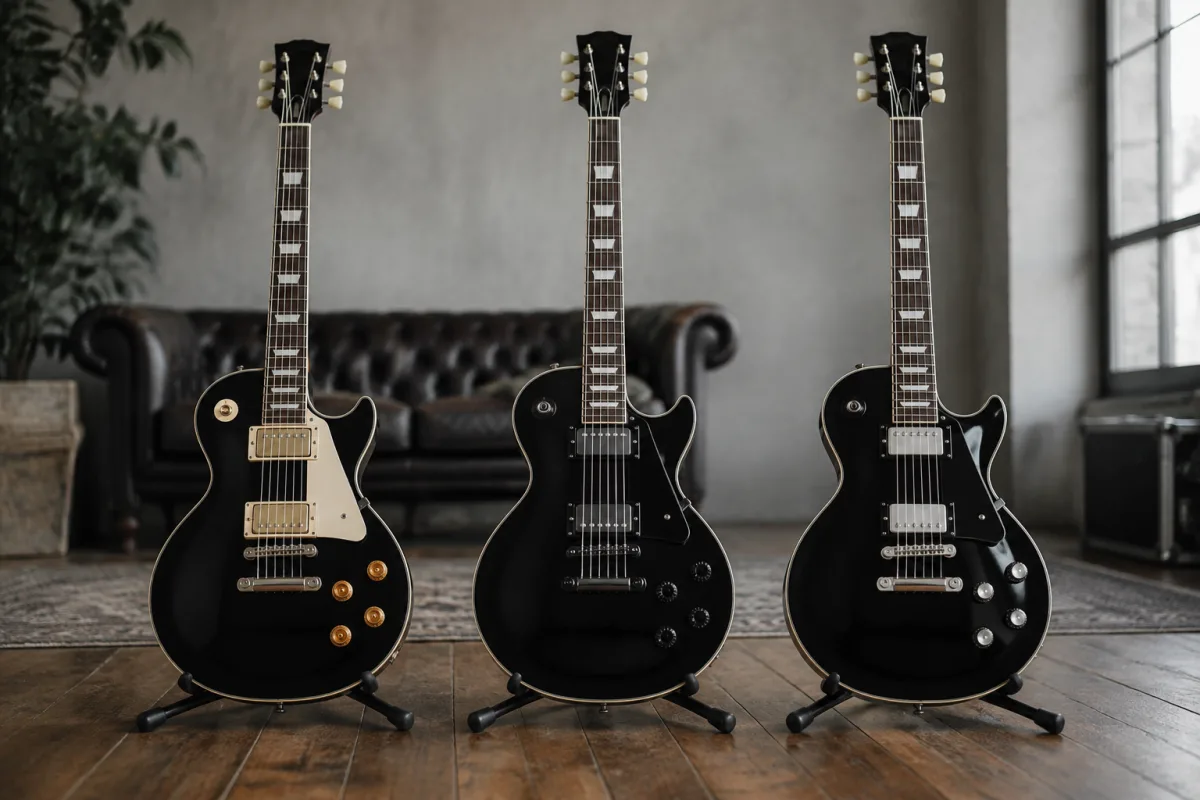
You've decided to buy a guitar les paul black, drawn by its timeless aesthetic and legendary tonal characteristics. Whether you're upgrading from an entry-level instrument or investing in your first serious electric guitar, knowing what to check and understanding price tiers separates smart purchases from expensive mistakes. This guide focuses purely on the buying decision—specs that matter, pitfalls to avoid, and realistic pricing across different quality levels.
Where to Buy Your Guitar Les Paul Black
Finding where to purchase a guitar les paul black significantly impacts both price and post-sale support. Authorised retailers typically offer warranty coverage and the ability to return instruments for legitimate defects. Online marketplaces offer competitive pricing but less recourse if something's wrong. Second-hand markets (eBay, Reverb, local classifieds) provide opportunities for deals but require careful inspection and due diligence.
Budget retailers often stock entry-level models, whilst specialised guitar shops carry broader selections including mid-range and premium options. Professional luthiers sometimes offer custom or restored guitars at premium prices but with meticulous attention to detail. Your choice depends on budget, desired quality level, and whether you want new or pre-owned instruments.
Price Tiers: Understanding What You're Actually Buying
Guitar les paul black models exist at dramatically different price points. Budget versions cost 300-600 pounds—these use cheaper woods, simplified hardware, and basic electronics. They work fine for learning but sacrifice tonal character and playability. Mid-range models at 600-1200 pounds offer genuine playability, solid electronics, and acceptable wood quality. Premium guitars from established manufacturers cost 1200-2000 pounds, featuring superior materials, refined hardware, and excellent electronics. Vintage or collectible models exceed 2000 pounds and require authentication.
The jump from budget to mid-range is substantial—you gain genuine improvement in playability and tone. The jump from mid-range to premium is less dramatic; improvements in fine details and build quality become apparent mostly to experienced players. New buyers rarely need premium pricing unless collecting or seeking specific vintage characteristics.
Critical Specs to Check Before Purchasing
When evaluating a guitar les paul black, specific specifications directly impact playability and tone. Examine neck thickness—does it feel comfortable in your hands? Check fret condition—are they worn evenly or do some sit higher than others? Worn frets require expensive refurbishing. Test the action (string height)—strings should sit comfortably without buzzing, typically 2-2.5mm on the bass side, 1.5-2mm on the treble side.
Inspect the finish carefully for cracks, chips, or separation—minor cosmetic damage affects appearance but not function, whilst structural damage to finish may indicate deeper problems. Check hardware tightness—tuning machines, bridge, and strap buttons should be securely fastened. Loose hardware suggests poor maintenance or previous damage.
Electronics require careful testing. Plug into an amplifier and check each pickup individually. Switch through pickup combinations listening for crackling, dropout, or noise indicating loose connections or failing components. Check the volume and tone pots—they should adjust smoothly without crackling static. Scratchy pots suggest oxidation requiring professional cleaning.
Wooden Body and Top Quality Assessment
The guitar les paul black's body wood dramatically affects tone and visual appeal. Mahogany is standard for Les Paul bodies and contributes warm tone. Examine the grain pattern—consistent grain suggests quality lumber, whilst mismatched sections may indicate repair. The top (often maple or other decorative wood) influences appearance dramatically. Flame patterns in maple look striking but don't affect sound—choose based on personal preference.
Look for colour consistency across the body. Natural wood variations are normal, but obvious patches or areas where finish appears thicker suggest repairs. Ask sellers directly about refinishes or touch-ups—honest disclosure is a positive sign. Pre-owned instruments often show minor wear; significant damage or obvious repairs should reflect the price accordingly.
Neck and Fretboard Inspection
The neck is critical—it must be straight with no twists or bows. Sight down the fretboard from the headstock. You should see a slight concave curve (relief), not a straight line or back-bow. Ask the seller to demonstrate this or have a technician inspect if purchasing remotely.
Fretboard material (typically rosewood) should look even and unblemished. Cracks or chips indicate problems. Check that frets are level—they should all make contact with a straight edge placed across them. High or low frets require specialist work. Examine fret ends at the sides of the fretboard—slight separation is normal, but large gaps indicate movement or poor original installation.
Pickup and Electronics Assessment
Pickups fundamentally shape a guitar les paul black's tone. Original pickups from the manufacturer are preferred by many, but quality after-market options exist. When evaluating pickups, check that they're evenly height-adjusted (both should sit at similar distance from the strings). Unevenly adjusted pickups produce unbalanced output between them.
Original electronics (pots, capacitors, switches) on vintage instruments may need replacement—this is normal and acceptable. However, unexpected modifications or amateur soldering work suggests poor maintenance. If electronics have been completely replaced, the price should reflect this as it's no longer "original."
Recognising Common Problems and Hidden Issues
Several red flags warrant extra scrutiny when purchasing. Headstock damage is expensive to repair—cracks or previous repairs affect both playability and value. Neck warping is difficult to fix and may cost more than the guitar's value. Moisture damage manifests as swelling, separation of layers, or discolouration—avoid these instruments entirely.
Missing original case isn't necessarily a problem (you'll buy one anyway), but ask about storage history. Instruments stored in extreme temperature or humidity fluctuations may have hidden problems. For pre-owned instruments, ask about accident history—even "repaired" damage can indicate underlying structural issues.
Price Negotiation and Value Assessment
Second-hand markets offer negotiation opportunities. Research comparable sales to understand fair market value. Minor cosmetic imperfections (scratches, finish wear) shouldn't affect function and often justify price reductions. Major repairs (refinishing, fret work, electronics replacement) should significantly lower pricing—these expensive services are better avoided if possible.
When comparing used guitars at different price points, determine exactly what justifies the difference. Specific pickup brands, vintage year, or previous ownership by notable musicians command premiums. Understand whether you're paying for documented provenance or simply a well-maintained instrument.
Testing Before Final Purchase
Always insist on playing the instrument before committing. Bring an amplifier you're familiar with if possible. Play open strings, closed positions, and high frets. Does it sustain well? Are there dead spots where notes fade prematurely? Does the action feel comfortable after five minutes or does your hand tire? These subjective assessments matter enormously.
Test the strap buttons' security if you plan to play standing up. Check that the bridge sits properly and doesn't shift during tuning. Play aggressively to ensure hardware doesn't rattle or loosen. A thorough 15-minute test session reveals far more than visual inspection alone.
Warranties and Return Policies
Reputable retailers typically offer 30-day returns on used instruments or satisfaction guarantees. Take advantage of these policies if available. Some sellers offer limited warranties covering defective electronics or hardware. Understand exactly what coverage applies—some warranties exclude damage from playing or accidents.
For more comprehensive information about Les Paul guitars and their specifications across different models, explore our complete guide to guitar les paul black, which covers technical specifications, model variations, and collectibility factors in detail.
Making Your Final Decision
Purchasing a guitar les paul black requires balancing budget against desired quality level. Establish your spending limit, understand what that budget realistically provides, and test multiple options before deciding. Don't overspend chasing prestige or under-invest thinking price doesn't matter. A well-chosen instrument in your chosen price range will serve you better than an expensive guitar you couldn't properly evaluate. Trust your hands and ears—they'll guide you toward the right choice.



Comments