


Lag Acoustic Guitar article
Lag Acoustic Guitar for Beginners: A Complete Guide
LAG is a lesser-known French guitar brand with serious build quality. This beginner's guide explains what makes LAG acoustic guitars distinctive, which models are best to start with, and whether investing in one is worth your money.
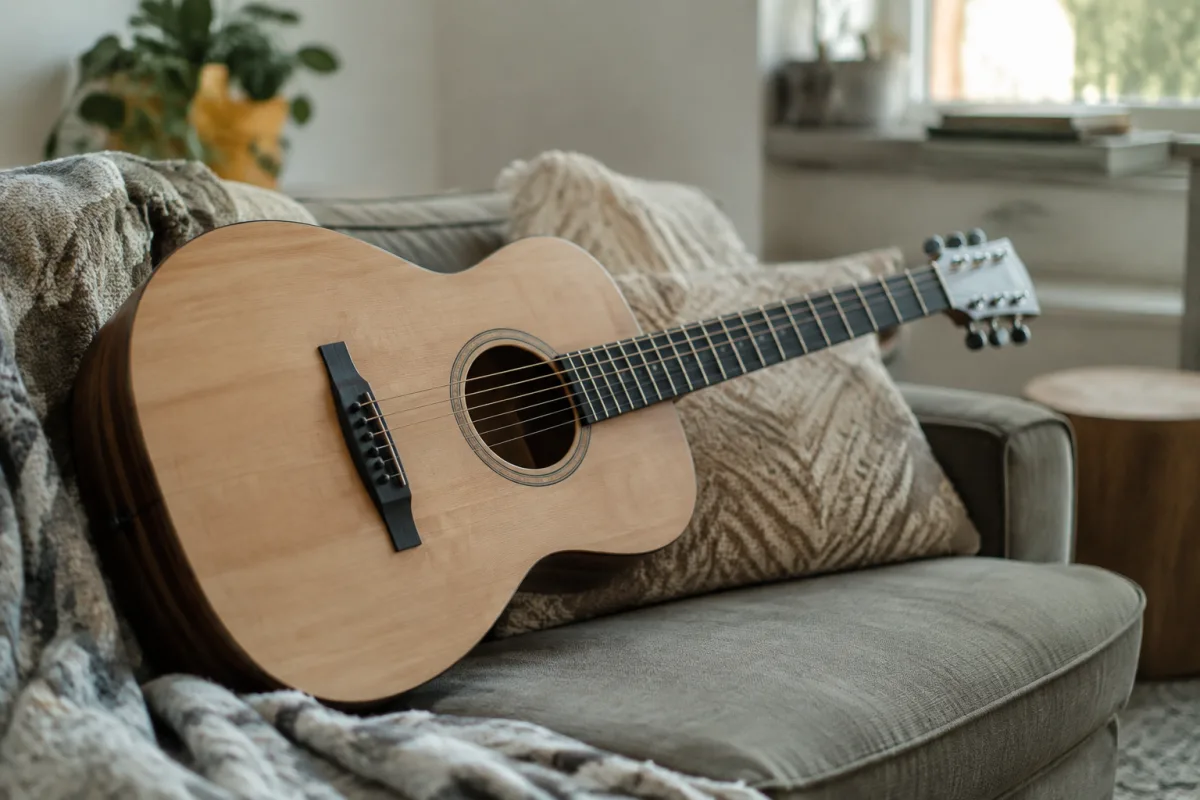
LAG guitars aren't household names in the UK, but they're a respected French brand that deserves attention from beginner acoustic players. If you've come across LAG whilst browsing online and wondered whether they're worth considering, or if someone recommended one and you're unsure what to expect, this guide explains what LAG brings to the table and whether their guitars suit a player just starting out.
Who Is LAG and Why Should You Care?
LAG (Lutherie Artisanale Guerrero) is a French guitar manufacturer with roots in Spanish classical guitar-making traditions. The company was founded by Joël Koehler and has built a quiet reputation for consistent quality across affordable and mid-range models. Unlike household names like Yamaha or Fender that dominate shops everywhere, LAG guitars are more boutique—you'll find them online and in specialist music shops rather than on high street displays. This isn't a disadvantage for beginners; it means LAG focuses on quality over mass production and marketing hype.
What Makes LAG Acoustic Guitars Different
LAG's core philosophy draws from European craftsmanship. Their acoustic guitars emphasise natural tone, with careful wood selection and construction techniques that prioritise sustain and clarity over volume. You won't get the aggressive projection of a dreadnought from a cheaper brand; instead, you get balanced, warm tone that rewards attentive listening. This is actually ideal for beginners learning to listen carefully to their instrument's response. LAG models tend to feel more refined than comparably priced guitars from mass-market brands.
LAG Acoustic Models for Beginners
LAG offers several acoustic ranges. Their entry-level and intermediate models sit in the £300–£800 range, which is reasonable for a student guitar. The classic models use traditional dreadnought or folk body shapes, which are the most comfortable for beginners. Unlike some Chinese budget brands, LAG doesn't shortcut the important parts—the neck joint, truss rod, tuning pegs and bridge are all built to last. Here's what matters: a LAG at £500 typically outplays a no-name budget acoustic at £300, both in feel and sound.
Build Quality and Playability
LAG guitars arrive properly set up from the factory. This means the action (string height) is comfortable from day one, unlike budget guitars that often need professional adjustment before they're playable. The necks are straight, the frets are well-levelled, and the hardware works as intended. For a beginner who just wants to pick up an instrument and start playing without visits to a repair technician, this matters enormously. You can play for months before needing any adjustment.
Tone: What You're Getting
A LAG acoustic has a warm, refined tone. It won't overwhelm a room, but it projects well enough for bedroom practice and small gatherings. Beginners often appreciate this because it rewards technique—if you play gently, the guitar responds gently; if you play with drive, it has presence. This feedback loop teaches proper technique far better than a guitar that sounds aggressive regardless of input. The sustain is respectable, and the tone improves over time as the wood seasons.
Where LAG Guitars Excel
LAG models work particularly well for players learning fingerstyle (fingerpicking) or classical technique. The refined tone and responsive nature suit these approaches. They're also good for singer-songwriters who want warm, intimate sound without excessive volume. Rock strummers might find them quieter than they'd prefer, but that's a matter of taste—plenty of rock players love acoustic guitars with subtlety.
Price and Value
A beginner LAG acoustic sits in the £400–£650 range for new models, putting them at the mid-to-premium end of student guitar pricing. They cost more than the absolute cheapest options but less than established premium brands. Here's the honest assessment: you're paying for European construction traditions and consistent quality. Whether that's worth an extra £100–£200 versus a mainstream budget brand depends on your budget and how committed you are. If money is tight, skip LAG and buy elsewhere. If you can afford it and want an instrument that will satisfy you for years, LAG is a smart choice.
Resale and Long-Term Value
LAG guitars hold their value reasonably well. A used LAG in good condition commands decent resale price, around 60–70% of its original cost even after several years. This is better than most budget brands, which depreciate faster. If you're concerned about the financial commitment of a first guitar, this is reassuring—you can sell it without taking a massive loss if your interest fades.
Common Questions for Beginners
Don't worry that LAG isn't a famous brand—that's not a weakness. Assume nothing about a guitar based on brand recognition alone; listen to reviews, check construction details, and ideally hold one before buying. The biggest mistake beginners make with LAG guitars is expecting them to be louder or more aggressive than they are by nature. LAG prioritises tone over volume, which is the right call for serious players but disappoints those expecting a guitar to fill a stadium. If you're practising alone or playing in acoustic contexts, LAG is ideal. If you're hoping to project in band settings without amplification, look elsewhere.



Comments