


Hollow Body Guitar roundup
The Best Hollow Body Guitars for the Money
The best hollow-body guitar is the one matching your style and budget—not the one with the biggest name. Here are the standout instruments at every price point.
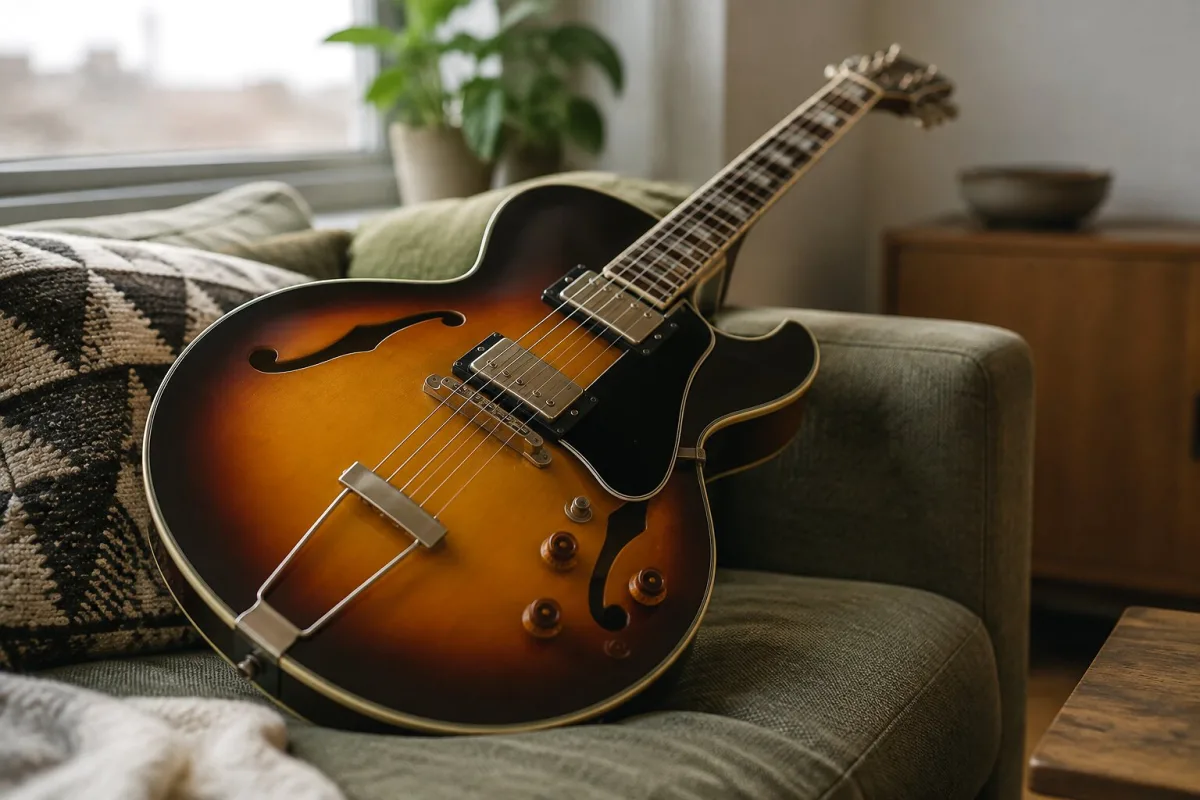
Finding the best hollow-body guitar for your money is about matching the instrument to your actual needs, not chasing the biggest brand name or the longest feature list. A £1,200 semi-hollow that's built well, plays perfectly and sounds warm and open will serve you better than a £3,000 fully hollow jazz box if you're playing in a rock band. Conversely, a cheap thin-line won't deliver the resonance and bloom a jazz player genuinely needs. Get the match right, and you've got an instrument for life.
Best Value: Epiphone ES-339 Semi-Hollow
In the £400–600 range, the Epiphone ES-339 represents outstanding value. It's essentially a smaller, more manageable version of the Gibson ES-335 semi-hollow design. Build quality is solid, the electronics are reliable, and it sounds warm and open without excessive feedback. Entry-level players who want to explore the hollow-body concept without major investment should start here. It's genuine enough to grow with you as your skills develop.
Best Practical Rock Instrument: Gretsch G5622 Center Block
At around £800–1,000, the Gretsch G5622 is a thin-line semi-hollow with a center block designed explicitly for players who want hollow-body character without feedback battles. The jangly, slightly woody tone sits perfectly in rock, country and roots contexts. It's smaller and easier to handle than full-size jazz boxes, and the build quality is excellent. Gretsch's reputation for tone is earned; this guitar delivers.
Best For Jazz: Gibson ES-175
At £2,000–2,500, the Gibson ES-175 is the jazz standard. Fully hollow, archtop construction, classic appointments. It sounds like every great jazz recording you've heard. Build quality is excellent and it holds value. The size and sensitivity to feedback requires competent players and proper amp management, but if you're serious about jazz, this is the benchmark instrument.
Best Contemporary Design: Ibanez AS93FM
Around £900–1,200, Ibanez's AS93FM offers modern semi-hollow construction designed for fusion, jazz and contemporary playing. The build quality is excellent, the ergonomics are superb, and the pickup options give genuine versatility. It's modern without sacrificing the hollow-body warmth. Underrated compared to Gibson's market dominance.
Best Premium Archtop: Eastman AR805
At £1,800–2,200, the Eastman AR805 is a traditionally constructed archtop bringing acoustic guitar building principles to electric jazz instruments. The wood quality is superior, the craftsmanship is obvious, and the tone is genuinely special—warm, resonant and musically sophisticated. Worth the investment if you're certain about your commitment to the instrument.
Best Vintage Buy: Used 1970s–80s Gibson ES-335
If you find a well-maintained semi-hollow ES-335 from the 1970s or early '80s at £1,000–1,500, grab it without hesitation. Aged wood sounds better than new; Gibson's build quality from that era was excellent; and the instruments hold value. Check for case wear, electronics function and any neck issues, but a good vintage semi-hollow outperforms a new budget instrument at the same price.
Best Specific Use Cases
Rockabilly and country: Gretsch's thin-line models (G5622, G6120) are purpose-built for these styles and deliver authentic tone at reasonable prices.
British rock: Semi-hollow Gretsches or Gibsons handle the drive and sustain needs whilst retaining character. Noel Gallagher didn't choose a Gretsch for decoration.
Blues: A used Gibson ES-335 or similar semi-hollow is the classic choice. Warm without being dark, responsive without being shrill.
Fusion and contemporary jazz: Ibanez or modern Eastman models suit contemporary playing styles better than traditional big-box jazz guitars.
The Real "Best"
The best hollow-body guitar is the one that matches your style, suits your budget and actually gets played. A £600 Epiphone that you reach for daily is infinitely better than a £3,000 museum piece gathering dust. Buy within your budget, test thoroughly, and don't get distracted by prestige. Money well spent is on an instrument you'll actually use and love.





Comments