


Harley Benton Stratocaster Buying guide
Harley Benton Stratocaster: A Complete Buyer's Guide
Master budget guitar purchasing with Harley Benton Stratocaster selection guidance. Understand realistic expectations, critical condition checks, fair pricing, and what separates playable instruments from problem purchases.
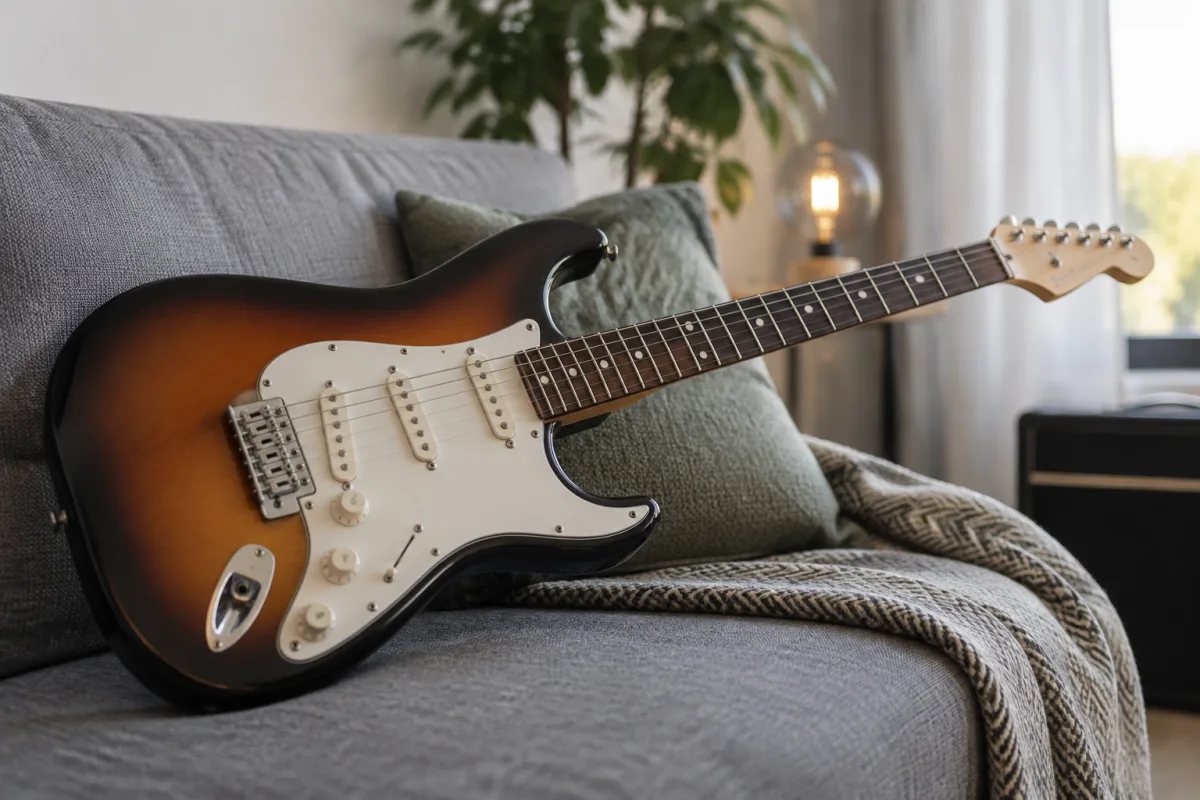
Purchasing a Harley Benton Stratocaster presents a compelling value proposition for budget-conscious guitarists, learners, and players seeking a reliable instrument without premium pricing. Harley Benton, the budget brand of German retailer Thomann, produces Stratocaster-style guitars prioritising affordability without completely sacrificing playability. This buying guide focuses on realistic expectations, critical condition factors, and valuation considerations specific to Harley Benton Stratocaster secondhand purchases.
Understanding Harley Benton Stratocaster Construction and Models
Harley Benton manufactures several Stratocaster-style models, each targeting different price points and player needs. The TE-20 and TE-52 series represent entry-level offerings with basic appointments; the TE-70 and TE-80 series introduce higher-quality hardware and electronics; the Custom series represents Harley Benton's premium tier with superior construction standards. Before purchasing, identify the specific model, as construction quality and components vary substantially across the range.
Verify body material: most Harley Benton Stratocasters employ basswood, a lightweight material suitable for budget instruments but sonically softer than alder or ash used in professional models. Basswood bodies are perfectly acceptable and produce adequate tone, but set realistic expectations about frequency response compared to premium instruments.
Check the neck material and construction. Budget models often feature plywood-laminated necks rather than solid timber; this is acceptable if properly constructed but indicates cost-cutting measures. Inspect whether the neck is one-piece solid wood or laminated; this information informs condition assessment and longevity expectations.
Critical Playability Checks for Harley Benton Stratocasters
Examine the frets carefully. Harley Benton guitars sometimes exhibit uneven fret work from the factory; this is common with budget instruments. Play up and down the fretboard listening for buzz, dead spots where notes won't ring, or frets requiring levelling. Minor buzz is acceptable for budget instruments; widespread issues should significantly impact your offer.
Test the truss rod by sighting down the fretboard for proper relief. Light forward bow (relief) is normal; excessive bow or back-bow indicates truss rod issues. Budget truss rods sometimes resist adjustment or break when overtightened. Request the seller's assessment of truss rod functionality before committing.
Check all hardware: tuning machines, bridge saddle, tremolo system, and electronic connectors. Harley Benton hardware is functional but less refined than premium brands. Tremolo systems sometimes bind or stick; test full range smoothly multiple times. Tuning machines should hold pitch reliably; worn machines requiring replacement cost £40–80.
Verify all electronics function: test each pickup individually, toggle through positions on the selector switch, test the volume and tone pots for smooth operation and no crackling, and examine the jack for secure connection. Harley Benton electronics are basic but usually reliable; replacement costs are modest if issues arise.
Assessing Condition and Cosmetic Factors Realistically
Budget instruments typically show cosmetic wear more visibly than premium models. Scratches, dings, and finish flaws are common and don't necessarily indicate poor condition or mistreatment. Separate cosmetic appearance from functional playability; a Harley Benton Stratocaster with visible wear but perfect playability is valuable, whilst a cosmetically pristine instrument with serious playability issues is compromised.
Inspect the body finish for major cracks, deep gouges, or evidence of water damage. Minor surface marks are cosmetic; significant damage may allow moisture ingress affecting electronics or neck stability. Finish checking (fine crazing across the finish) is common on older budget instruments; it's cosmetic and doesn't affect sound.
Examine the fretboard for dryness, lifting frets, or significant wear. Rosewood fretboards benefit from occasional oiling; neglected fretboards may show cracking. Budget fretboards (typically cheaper rosewood or veneer) deteriorate faster than premium materials. Assess whether the fretboard is usable as-is or requires professional maintenance.
Market Pricing and Value Expectations
New Harley Benton Stratocasters typically retail £120–350 depending on model and hardware. Used examples cost £60–200, reflecting high depreciation common to budget instruments. This steep depreciation reflects realistic expectations: budget guitars become obsolete quickly as players upgrade, creating abundant used supply and weak demand.
Don't expect used Harley Benton Stratocasters to hold value. Purchase these instruments accepting they're short-term learning tools, jam instruments, or player guitars—not investments. A five-year-old Harley Benton guitar often retains only 25–40% of original purchase value.
Compare prices carefully. Entry-level used models (TE-20 series) sometimes cost less than shipping new from Thomann; used mid-range models (TE-50/70 series) command modest premiums if in good condition. Premium Harley Benton models (Custom series) with excellent condition may retain better value, approaching 50% of original cost.
Common Pitfalls When Buying Harley Benton Stratocasters
Don't purchase instruments requiring extensive fret work. Fret levelling, crowning, or replacement costs £150–300, potentially exceeding the instrument's value. Budget guitars approaching end-of-life should cost significantly less to justify repair investment.
Avoid models with tremolo systems that don't hold tuning. Tremolo stability is critical for playability; unreliable systems make performance frustrating. Test tremolo function extensively; if it wanders, investigate whether adjustment or replacement parts are needed.
Don't overlook neck issues. A twisted, severely bowed, or back-bowed neck is difficult to correct; truss rod adjustment may help, but structural problems require professional assessment. Many budget necks aren't worth expensive correction.
Beware of instruments claimed to need "only a setup." Budget guitars sometimes require extensive work beyond basic setup. A truthful assessment should itemise specific needs (fret levelling, electronics repair, hardware replacement) rather than vague statements.
Building a Realistic Purchasing Strategy
Request comprehensive photos and videos of the Harley Benton Stratocaster powered on, all electronics tested, and close-ups of fretboard condition and any visible wear. Test tremolo through full range on video; listen for tuning stability after tremolo use.
Set a realistic budget ceiling reflecting the instrument's inherent value limitations. Paying £150+ for a used Harley Benton Stratocaster when new models cost £200–300 is poor value. Purchase these instruments at prices reflecting their position as budget learning tools or player guitars.
Consider local purchases to avoid shipping risk. A guitar arriving warped or damaged is problematic on a £100 instrument; shipping costs and return logistics become disproportionate concerns.
Connecting to the Broader Stratocaster Context
For comprehensive understanding of Stratocaster design, playing characteristics, and how Harley Benton models fit within the broader instrument landscape, read the complete guide to Harley Benton Stratocaster. That resource covers the instrument's capabilities, learning applications, and performance considerations that inform whether this guitar meets your playing needs.
Successful Harley Benton Stratocaster purchases begin with realistic expectations about budget instrument quality, prioritise functional playability over cosmetics, and conclude with fair pricing reflecting the instrument's inherent value. Invest time verifying electronics, fretboard condition, and neck integrity. The most rewarding purchases reflect clear understanding that Harley Benton guitars serve as learning instruments or backup player guitars rather than investments—valued for their affordability and adequate playability within that budget context.



Comments