


Locking Tuning Machine Heads Buying guide
Locking Tuning Machine Heads: A Complete Buyer's Guide
Upgrading to locking tuning machines improves tuning stability dramatically. This buying guide covers mechanism design, compatibility, installation considerations, and how to select the right machines.
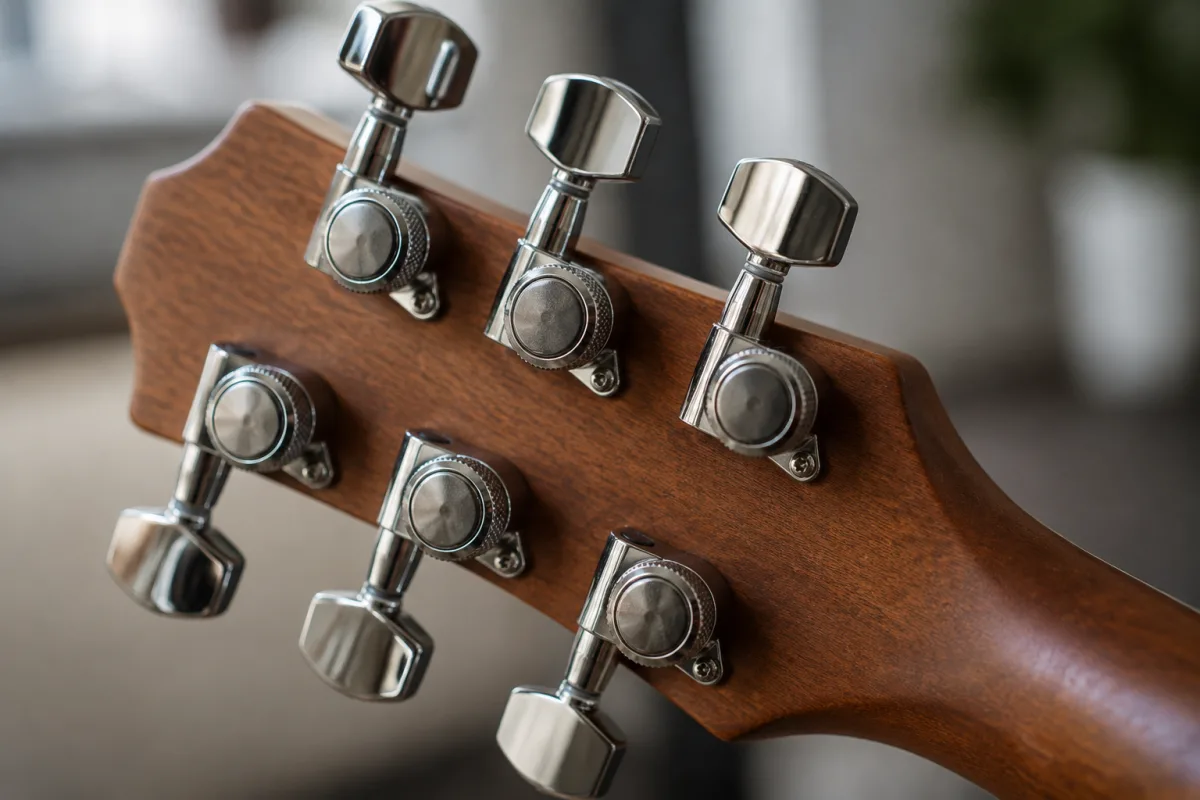
Upgrading to locking tuning machine heads transforms your guitar's tuning stability—the difference between machines that drift during performance and those that hold perfectly is profound. Whether you're retrofitting your current guitar or selecting an instrument with quality tuning hardware from the start, understanding what separates excellent locking tuning machines from budget alternatives can mean years of frustration prevented. This buying guide covers what actually matters when selecting locking machines, common mistakes that waste money, and how to evaluate options intelligently before purchasing.
Understanding Locking Mechanism Design
Locking tuning machines use various mechanical approaches to secure strings after wrapping. The most common design features a small lever or button that clamps the string, preventing it from slipping through the post. Premium designs employ precision engineering ensuring the clamp mechanism doesn't damage strings whilst providing absolute holding force. Budget alternatives sometimes feature crude clamping that pinches strings or engages inconsistently.
The mechanical approach differs across manufacturers. Some designs employ a post-end clamp that locks strings after wrapping; others feature post-root mechanisms preventing string movement at the point of greatest stress. Understanding these differences explains why some locking machines cost twice what others do—they represent fundamentally different engineering approaches with different reliability characteristics.
Material Quality and Durability Considerations
Premium locking tuning machines use zinc-die-cast or machined steel bodies combined with sealed gearing mechanisms. These materials withstand years of use with minimal wear, maintaining smooth feel through thousands of tuning adjustments. Budget machines employ cheaper zinc alloy susceptible to cracking, with unsealed gearing that accumulates wear and develops notchy feel.
Examining the tuning button and lever reveals construction quality immediately. A well-made button turns smoothly with consistent resistance; budget alternatives show resistance variations indicating uneven machining or substandard materials. This tactile feel predicts long-term reliability—machines that feel subpar upon inspection typically disappoint through extended ownership.
Gear Ratio and Tuning Precision
Gear ratio—the relationship between button rotation and tuning peg movement—determines fine-tuning precision. Higher ratios (16:1 or 18:1) allow minute adjustments without risk of overshooting, ideal for players who prefer precise control. Lower ratios (10:1 or 12:1) tune faster but require more careful finger work avoiding overshoot.
For most players, ratios between 14:1 and 18:1 provide optimal balance between speed and precision. Professional players developing muscle memory often prefer consistent ratios across all six tuning machines. Mismatched ratios (different machines with different ratios) feel frustrating—you adjust by habit for one ratio, then overshoot with another.
Compatibility Considerations Before Purchasing
Locking machines vary dramatically in mounting specifications. Staggered-height designs suit headstocks where tuning machines sit at different heights; straight designs work where all machines mount at identical heights. Installing incompatible machines requires drilling new holes or using spacers, adding installation complexity and cost.
Measure your current machine mounting carefully. Note the shaft diameter (typically 8mm, 8.5mm, or 10mm), overall length, and whether your headstock uses staggered or aligned mounting. Some aftermarket machines require drilling larger holes; others fit existing holes perfectly. This compatibility research prevents frustrating installation issues after purchase.
Installation and Professional Setup
Installing locking tuning machines is straightforward for handy players—removing old machines, installing new ones, and wrapping strings around the posts. However, professional installation (£50–£150) ensures proper alignment, secure mounting, and correct string wrapping technique that maximises holding force.
Professional setup also includes optimising string wrap and tension, critical elements separating professional installations from amateur jobs. A luthier ensures strings wrap neatly around posts without overlapping, minimising friction and maximising tuning stability. This attention to detail transforms the performance difference between competent and excellent installations.
Price Tiers and Real-World Value
Budget locking machines (£15–£30 per set of six) from lesser-known brands offer basic functionality but lack the durability and precision of premium options. They're adequate for casual players or testing whether locking machines suit your playing style. However, durability expectations run shorter—expecting 3–5 years of reliable service before wear becomes noticeable.
Mid-range options (£40–£80 per set) from established brands like Gotoh, Grover, and Schaller offer excellent reliability and performance. These machines typically last 10+ years with minimal maintenance, justifying the price premium over budget alternatives. Most serious players operate within this tier.
Premium machines (£100–£200+ per set) from boutique makers offer refined feel and aesthetic appeal. These machines provide the finest tuning stability and smoothest operation available, worth the investment for professional musicians and collectors. However, performance differences over quality mid-range machines diminish significantly—much of the premium pricing reflects aesthetics and brand heritage.
Vintage vs. Modern Design Considerations
Vintage-style locking machines (resembling traditional Kluson designs with locking levers) suit guitars emphasising aesthetic consistency with their era. Modern designs optimise pure functionality over vintage appearance. Your choice depends on balancing looks against pure tuning performance—modern designs often achieve marginally better stability through refined engineering.
Some players value vintage appearance highly enough to accept minor tuning performance trade-offs. Others prioritise engineering performance over looks. Understanding your priorities guides equipment selection—don't compromise aesthetically critical aspects for marginal performance gains if you'll resent how the machines look on your beloved instrument.
Common Purchasing Mistakes
Many players purchase machines without measuring mounting specifications, then discover incompatibility after arrival. Modifying your guitar through drilling becomes expensive and frustrating. Measure before purchasing—contact sellers if you're uncertain about compatibility.
Another frequent error: assuming all locking machines work identically. Clamping mechanisms vary dramatically in how they secure strings. Some designs clamp extremely hard, potentially damaging strings; others clamp gently yet hold perfectly. Read user reviews focusing on specific clamping characteristics before purchasing.
Beginning players sometimes assume locking machines solve all tuning stability problems. In reality, proper string wrapping technique, quality bridges, and nut work contribute equally to stability. Locking machines represent one component of comprehensive tuning stability. Set realistic expectations about performance improvements.
The Relationship Between Machines and Overall Setup
Even premium locking machines can't fully compensate for a poorly cut nut or degraded bridge. Conversely, excellent nuts and bridges won't achieve maximum tuning stability with substandard machines. Comprehensive guitar setup—considering nut work, bridge quality, and tuning machine quality together—produces optimal results.
If your guitar's nut shows visible damage or the bridge wobbles, address those issues before investing heavily in premium machines. An inexpensive upgrade sequence—quality nut work first, bridge assessment next, then locking machines—maximises performance improvement per pound spent.
Making Your Purchasing Decision
Determine your budget first. Mid-range brands (£40–£80) offer exceptional value for most players. Verify mounting compatibility using exact measurements from your guitar. Research specific models through user reviews emphasising stability and clamping characteristics.
Consider having a professional perform installation even if you're handy. The modest additional cost ensures perfect setup maximising performance. Visit our complete guide to locking tuning machine heads for detailed specifications and model comparisons.
Quality locking tuning machines transform your guitar's relationship with tuning stability. Purchasing thoughtfully—considering compatibility, clamping characteristics, and installation quality—ensures your upgrade delivers years of frustration-free ownership and consistent tuning throughout performances. The right machines inspire confidence that your instrument will stay precisely in tune when it matters most.


Comments