


Active Pickup Guitar article
Active Pickup Guitar for Beginners: A Complete Guide
Active pickup guitars aren't necessary for beginners, but they offer clarity and tonal stability. This guide explains what active pickups do and helps you decide whether they suit your learning style.
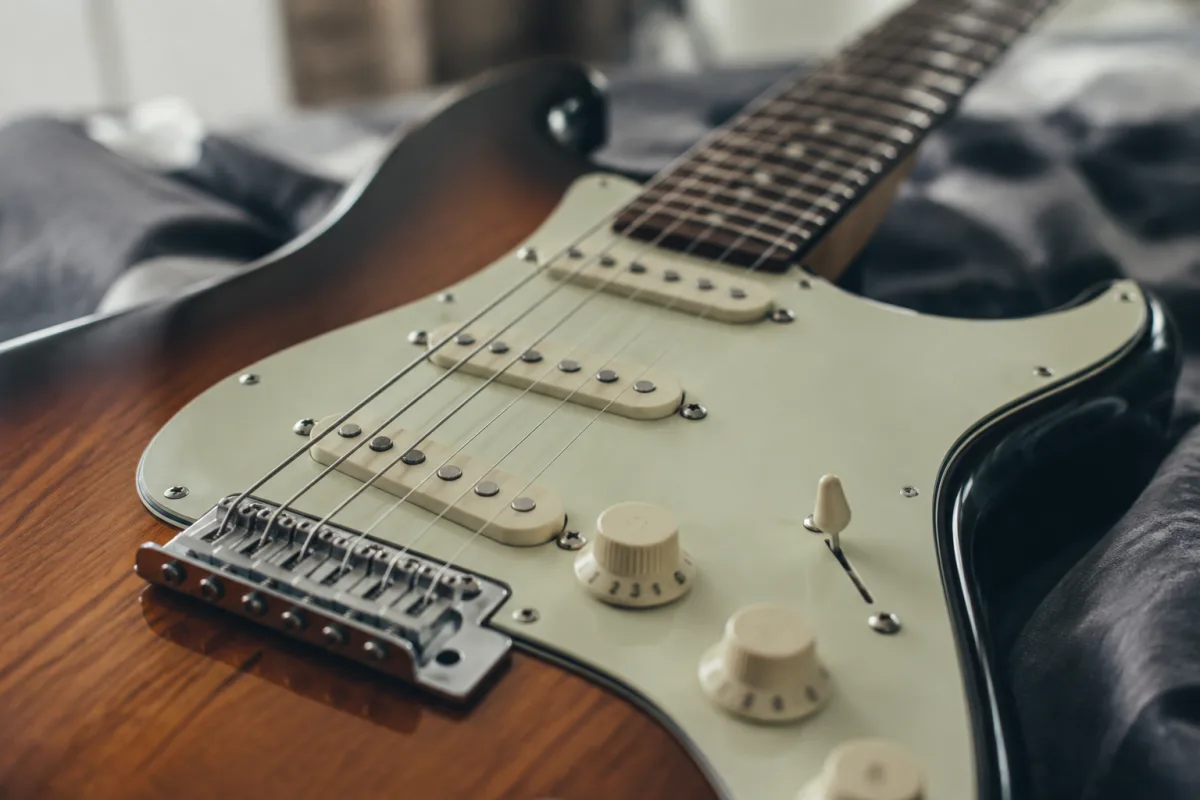
When you're starting guitar, you'll eventually encounter the term "active pickups" and wonder whether they're essential, a luxury, or something you should avoid. The honest answer is simpler than the online debates suggest: active pickups are a preference, not a necessity. Many brilliant beginners learn on passive guitars and never feel limited; others thrive with active pickups from day one. This guide demystifies active pickups for nervous first-timers, explains what they actually do, and helps you understand whether they're right for your learning journey without overthinking the decision.
What Active Pickups Actually Are (Without the Jargon)
Active pickups are powered by a battery (usually a 9V) housed inside your guitar body. The pickup electronics amplify and shape your guitar's signal before it reaches your amplifier. Passive pickups, by contrast, send raw signal from the strings directly to your amp without any internal processing. Think of active pickups as a built-in pre-stage amplifier; passive pickups as pure signal passthrough. Both approaches produce excellent tone. Active pickups excel in controlled, articulate scenarios; passive pickups emphasise natural string vibration and player dynamics. Our complete guide to active pickup guitars covers the technical engineering; this article focuses on what actually matters for your learning experience.
Practical Benefits of Active Pickups for Beginners
Active pickups offer several practical advantages worth understanding:
- Consistent output level: Active pickups maintain stable signal strength regardless of your playing dynamics. A softer touch sounds similarly clear to harder playing. This stability helps beginners hear their tone more easily, supporting feedback-based learning. You'll notice mistakes and improvements more readily.
- Reduced amp noise: Passive pickups pick up electromagnetic interference (hum) from power supplies and electrical equipment. Active pickups reject this noise more effectively, producing quieter operation. Beginners playing in bedrooms full of electronic devices benefit from this cleaner signal.
- Easier note definition: Active electronics emphasise note articulation and clarity. Beginners practising scales or learning fingerstyle patterns hear individual notes more distinctly, aiding ear development. The enhanced clarity supports faster technique learning.
- Built-in controls: Many active systems include on-board EQ (bass, treble, mid adjustments) accessible without changing amp settings. This invites sonic exploration, encouraging beginners to experiment with tone shaping early in their learning.
Beginner Concerns About Active Pickups (Addressed Honestly)
Nervous beginners often worry about active pickup complications. Let's address the real concerns:
- "Won't I depend on batteries and get stuck without power?" Active guitars typically run 6–12 months per battery depending on usage. Yes, you'll eventually need replacement (£2–5). But this is no more burdensome than replacing strings or amp tubes. Keep a spare 9V battery accessible, and you're fine. Depleted batteries are a minor inconvenience, not a crisis.
- "Are active pickups complicated to maintain?" Battery replacement is straightforward—usually accessing a small door on the guitar body. No soldering or technical knowledge required. Maintenance is actually simpler than passive pickup systems because there's less to adjust.
- "Do active pickups sound 'digital' or artificial?" Modern active pickups sound warm and natural. This worry stems from 1980s technology that did sound slightly processed. Current systems are indistinguishable from high-quality passive pickups to untrained ears. Play both in a shop—you won't hear "fake" tone from modern active pickups.
- "Will active pickups limit my playing options?" No. Active pickups work with any amplifier and adapt to any playing style. They're equally suitable for blues, metal, jazz, or folk. Active pickups expand your options rather than restrict them.
Common Beginner Mistakes Regarding Active Pickups
Choosing active or passive based on brand loyalty rather than tone preference. Some brands are famous for active systems; others specialise in passive designs. Choose based on how the guitar sounds and feels, not the pickup philosophy. Audition both before deciding.
Assuming active pickups make playing easier technically. Active pickups don't improve your finger strength, timing, or technique. They provide clearer feedback and easier tonal exploration, but they don't substitute for practice. Don't expect active pickups to accelerate learning—they support learning but don't replace effort.
Dismissing active pickups as unnecessary without trying them. Many beginners assume passive pickups are "simpler" and safer for learning. Test an active guitar through a full practice session before rejecting them. You might discover you prefer active pickups once you experience the stability and clarity.
Worrying that active pickups signal a "professional" path unsuitable for beginners. Active pickups aren't professional-only. Beginner-level guitars with quality active systems exist at affordable prices (£200–500). You can explore active pickups without committing to premium pricing.
Changing pickups on your first guitar prematurely. If you've already bought a passive-pickup guitar, don't retrofit active electronics. Enjoy learning on what you have. Pickup upgrades belong to later learning stages when you've developed solid preferences. Passive guitars are perfectly adequate for beginners.
Choosing Between Active and Passive: A Simple Decision Framework
If you're undecided, ask yourself these simple questions:
- Do you prefer bold, articulate tone or warm, organic tone? (Bold favours active; warm favours passive)
- Do you play in electrically noisy environments (recording studios, rehearsal spaces)? (Yes favours active)
- Are you drawn to exploring tonal experimentation early? (Yes favours active; no is fine with passive)
- Do you prefer fewer complicating factors when learning? (Yes favours passive; this is perfectly valid)
Neither answer is wrong. Some beginners thrive with active pickups' clarity and control; others feel more comfortable with passive pickups' simplicity and directness. Your preference is legitimate regardless of which direction you lean.
Setting Up Active Pickups: Beginner Essentials
If you choose an active guitar, setup is straightforward:
- Check battery status before your first play session. Replace if older than six months, even if it hasn't depleted.
- Locate the battery compartment and learn how to access it. It's usually a small door on the guitar body or back plate requiring no tools.
- Keep a spare 9V battery in your guitar case. This eliminates panic if the installed battery dies unexpectedly.
- Understand your guitar's EQ controls (if present). Experiment with bass and treble adjustments during practice to develop tonal preferences.
- Resist overthinking the controls. Flat settings (no boost or cut) are perfectly appropriate for learning. Experimentation comes later.
Your Choice Won't Trap You
Remember: choosing an active or passive guitar today doesn't define your entire musical future. Most experienced players eventually own both. Starting with one doesn't prevent you from exploring the other later. Your first guitar choice matters far less than consistent practice and genuine engagement with playing. Whether you choose active or passive, you're making a fine decision as long as you commit to learning.
Active pickup guitars offer legitimate benefits for beginning players seeking clarity, tonal stability, and easier early-stage learning. By understanding what active pickups actually do, addressing genuine concerns honestly, and trusting your preferences, you can confidently choose whether they're right for your journey.


Comments