


Active Pickup Guitar Buying guide
Active Pickup Guitar: A Complete Buyer's Guide
Buying an active pickup guitar requires understanding how they differ from passive designs, battery requirements, and real-world implications.
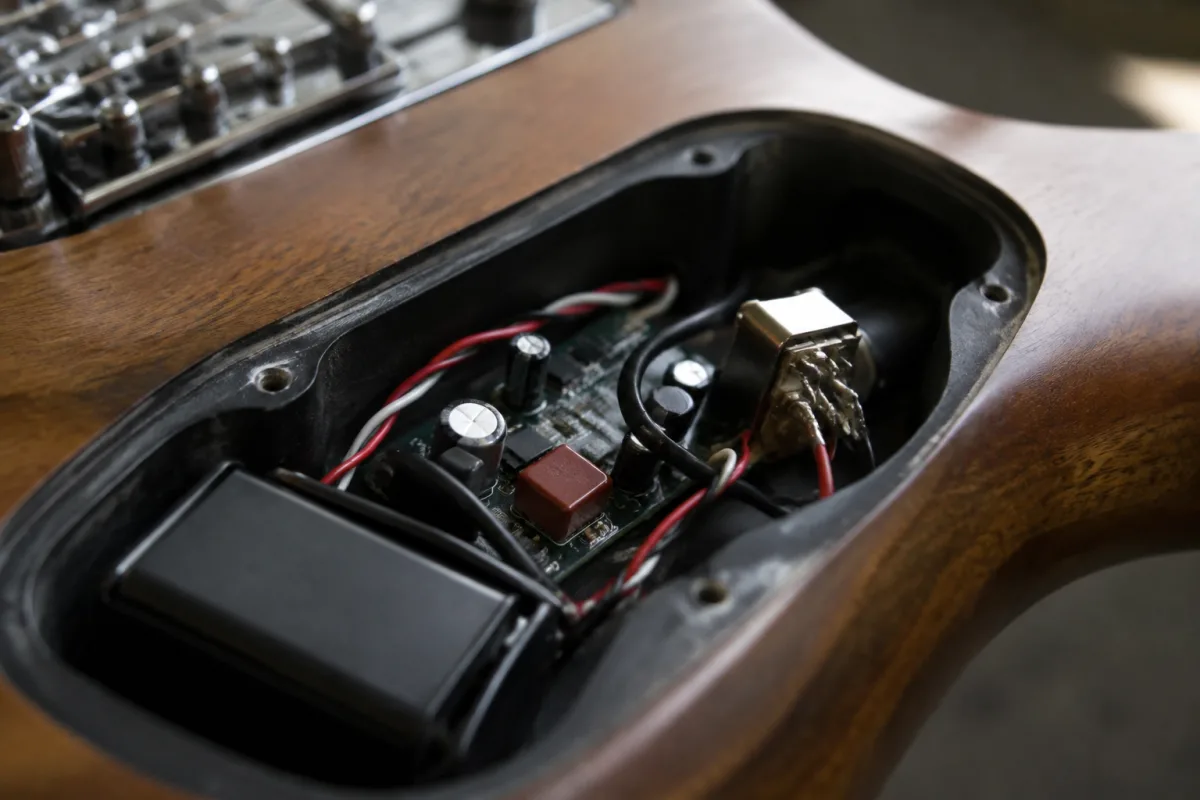
Active pickup guitars differ fundamentally from passive designs, and understanding that difference before buying is critical. This guide focuses entirely on purchase decisions: what active pickups actually do, what to verify before buying, common mistakes, and honest pricing. By the end, you'll know whether an active pickup guitar suits your playing style and budget.
What Active Pickups Actually Do (And What They Don't)
Active pickups use a preamp powered by a battery, typically located in the control cavity. The battery amplifies the pickup signal before it reaches your amp. This changes the character dramatically. Active pickup guitars produce higher output (hotter tone), more treble clarity, and stronger midrange compared to passive pickups. They're popular for metal and rock—genres where clarity and punch matter.
Understanding active technology before buying is essential. Active pickup guitars require battery maintenance. If a battery dies mid-performance, you're silent until you replace it. This isn't a theoretical problem; it happens. Factor battery replacements and emergency replacements into your decision.
Active pickups aren't inherently "better" than passive designs. They're different. Passive pickups emphasize warmth and dynamic response. Active pickups prioritize output and clarity. Your buying decision should reflect which character suits your music. An active pickup guitar isn't mandatory for modern rock; it's a choice.
Battery Considerations: Practical Reality
Every active pickup guitar needs a battery. Standard options are 9V batteries, lasting 60-200 hours of playing time depending on how often you play. On the road with heavy touring, you'll replace batteries monthly. Playing casually at home, they last years. Budget £3-5 per battery and carry spares to every gig.
Some active pickup guitars have battery compartments designed for quick access. Others require disassembly. When shopping for an active pickup guitar, ask about battery access. Quick-access compartments are worth extra because they save frustration. If a shop can't explain battery access easily, that's a red flag on their active pickup guitar selection.
Alternatively, look for active pickup guitars with a nine-volt compartment that opens from the outside. This is the gold standard for convenience. Active pickup guitars requiring you to remove the control plate waste time.
Output Level and Noise Floor
Active pickup guitars produce output levels roughly 3-5dB hotter than passive designs. This matters when matching amp input requirements. Your amp's input stage doesn't need to work as hard, resulting in lower noise floor and cleaner tone. This advantage disappears if your amp's input is already designed for hot pickups.
When buying an active pickup guitar, verify that your amplifier handles the increased output. Most modern amps are fine with active pickup guitars. Older tube amps or particularly sensitive solid-state amps might clip or compress. Ask your amp manufacturer if you're unsure—they'll know how an active pickup guitar plays through their design.
Tone Shaping: Controls and Flexibility
Active pickup guitars often include tone-shaping circuitry beyond standard volume and tone controls. Some have three-band EQ (bass, mid, treble), others have parametric controls. This flexibility is a genuine advantage for players who dial in specific tones regularly. However, it adds complexity and battery draw.
When shopping for an active pickup guitar, test these controls. Play through all positions: all bass boosted, all treble boosted, midrange alone, etc. Extensive controls mean nothing if they feel disconnected or produce unwanted artifacts. The best active pickup guitar controls feel intuitive and enhance your sound without requiring constant adjustment.
Some players never touch tone controls. If that's you, an active pickup guitar with extensive EQ is unnecessary. Choose a simpler active pickup guitar model with basic controls. Fewer controls mean simpler circuitry, longer battery life, and fewer failure points.
Build Quality and Component Reliability
Active electronics are more complex than passive designs, and complexity introduces potential failure points. When buying an active pickup guitar, focus on manufacturers with established reputations: Ibanez, EMG, Fishman, and others with proven track records. Cheap active pickup guitars often use unreliable preamps that fail or degrade.
Inspect solder joints on the circuit board if possible (many shops allow this for serious buyers). Joints should be shiny and smooth, not dull or blobby. Poor soldering suggests manufacturing shortcuts and potential reliability issues. Avoid active pickup guitars with obviously amateur circuitry work.
Ask for warranty information. Quality manufacturers back active pickup guitars with 2-3 year warranties covering electronics failure. If a shop can't provide warranty details, that's a yellow flag.
Price Tiers and Value
Entry-level active pickup guitars (£200-400) use basic preamps and simpler controls. They sound good for the price but lack refinement. Mid-range options (£400-800) offer better components and more sophisticated tone controls. Professional active pickup guitars (£800+) use premium preamps and extensive controls, favored by touring musicians.
For casual players, entry-level active pickup guitars deliver honest value. For serious gigging musicians, mid-range represents the sweet spot. Premium options are investment territory—you're paying for durability and advanced features you'll actually use only in professional contexts.
When Passive Pickups Are a Better Choice
Not everyone needs an active pickup guitar. If your playing style values dynamic response, natural tone shaping based on technique, and minimal electronic intervention, passive pickups suit you better. If you're a minimalist and resent battery maintenance, passive guitars eliminate that headache entirely.
Active pickup guitars excel in specific contexts: recording metal, touring in harsh environments (where active pickups' predictability shines), or demanding extreme clarity from your instrument. For classic rock, blues, or jazz, passive pickups remain the standard for good reason.
Common Buying Mistakes
First mistake: assuming active pickups are louder. They're hotter (higher output), which is different from volume. Your amp's volume knob controls actual loudness. Active pickups just need less preamp gain. This distinction matters for understanding tone, not just volume.
Second mistake: ignoring battery access. A good active pickup guitar makes battery replacement trivial. If accessing the battery compartment requires removing hardware, it's a frustration point you'll encounter regularly.
Third mistake: buying an active pickup guitar without testing it through your amp. Electronics interact unpredictably with different amp designs. What sounds fantastic through a shop amp might clip or hum through yours. Test before buying if possible.
Fourth mistake: assuming active pickups require special cables or maintenance beyond batteries. They don't. Standard instrument cables work fine. Active pickup guitars require no special care beyond standard guitar maintenance plus battery management.
Upgrading Pickups vs. Buying New
If you own a passive guitar and want active pickups, aftermarket active pickup sets (£150-300) can replace passive pickups. This is often cheaper than buying a new active pickup guitar. However, upgrading requires competent installation (£100-150 labor) and electronics knowledge. Factor total cost into your decision.
For most players, buying an active pickup guitar new makes more sense. You get warranty coverage, integrated electronics from the factory, and predictable results. Aftermarket upgrades work but introduce variables that factory integration eliminates.
For deeper technical information, comparisons with passive designs, and advanced setup guidance, explore our complete guide to active pickup guitars.
Making Your Final Choice
Buying an active pickup guitar is straightforward once you understand what you're getting. Active pickups offer higher output, greater clarity, and predictable behavior—advantages for specific playing styles. They require battery maintenance and more complex electronics. If those trade-offs appeal to you and your playing style matches their strengths, an active pickup guitar is an excellent investment. Test before buying, verify battery access, confirm your amp handles the increased output, and choose a reputable manufacturer. Do that, and you'll have a reliable instrument that delivers the active pickup advantage you're seeking.


Comments