


Tanglewood Bass article
Tanglewood Bass for Beginners: A Complete Guide
Tanglewood bass instruments inspire beginners with solid construction, honest tone, and affordable pricing. Perfect first bass for players ready to commit seriously.
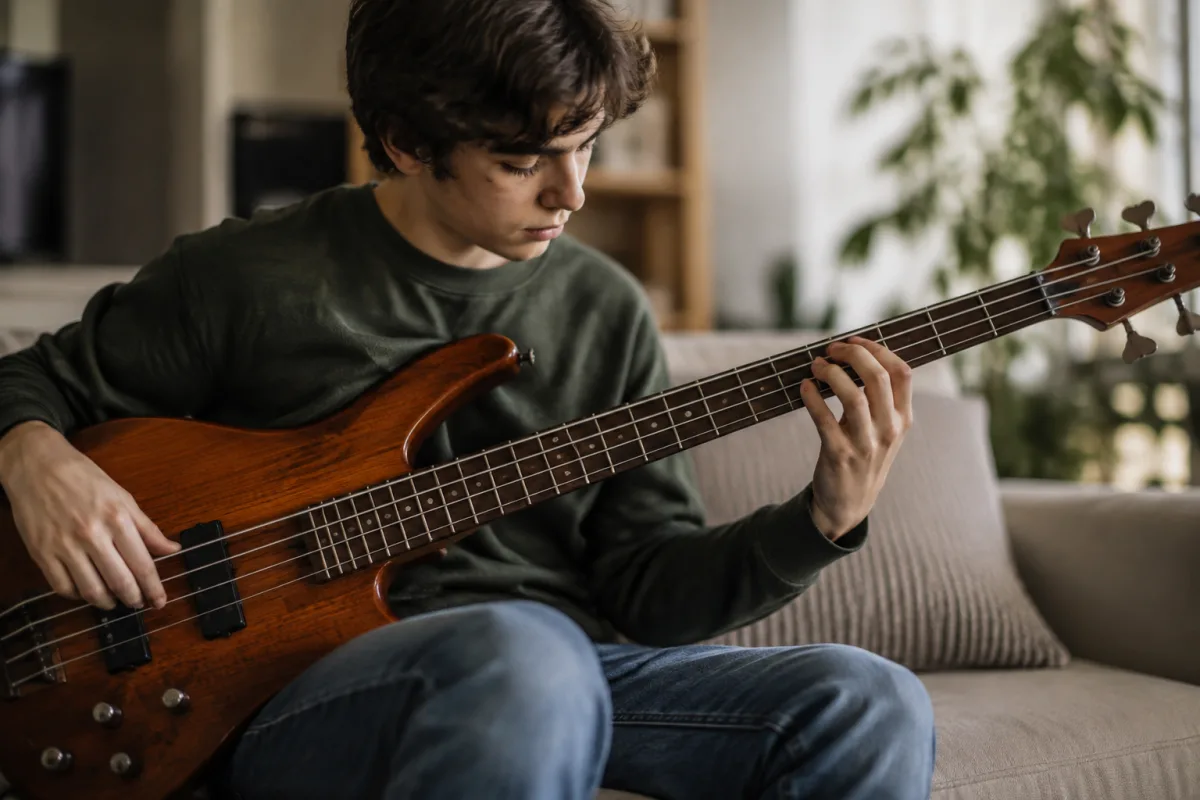
If you're considering a Tanglewood bass for your first instrument, you've found an exceptionally solid choice. This UK-based brand offers beginner basses that don't embarrass you with poor sound, poor construction, or obsolete design. Many bassists remember their first Tanglewood bass fondly, played through university years, garage rehearsals, and early gigs. That reputation exists because Tanglewood understands beginner needs: affordability without compromise, playability that encourages practice, and tone that sounds genuine and inspiring rather than cheap or thin.
Why Beginners Gravitate Toward Tanglewood Bass
The bass community has a long-standing joke: cheap basses kill enthusiasm before technique gets a chance to develop. A beginner with a terrible-sounding instrument practises less, improves slower, and gives up sooner. A beginner with a decent instrument feels inspired, practises more, and sticks with it.
Tanglewood bass instruments sit in the "decent instrument" category at beginner pricing. You're not paying luxury fees for prestige branding. You're paying for honest construction, workable playability, and tone that doesn't embarrass you in front of more experienced musicians. For first-time players, that's exactly right.
The build quality is particularly notable for the price. Tanglewood basses don't feel fragile or cheap in your hands. The neck feels solid, the hardware works properly, and the body is genuinely well-constructed. You get an instrument that will survive your learning curve without needing immediate upgrades.
Tanglewood Bass Models: Understanding Your Options
| Model Type | Best For Beginners Who... |
|---|---|
| Tanglewood bass starter packs | Want everything in one purchase—bass, gig bag, cable, strap, tuner. Excellent for first-timers uncertain about long-term commitment. |
| Acoustic-electric bass | Play unplugged or practise silently through headphones. The warm, resonant tone is ideal for learning bass fundamentals. |
| Solid-body electric Tanglewood bass | Play through amplifiers, join bands, explore modern bass styles. Bright, punchy tone suits rock, pop, and contemporary music. |
| Short-scale Tanglewood bass | Have smaller hands or prefer a more compact instrument. Easier to reach around the neck; still produces full bass tone. |
For absolute beginners unsure about commitment, a Tanglewood bass starter pack offers the best entry point. You get everything needed, invest £200–350, and learn whether bass is genuinely for you before upgrading.
First Steps: Getting Started with Your Tanglewood Bass
Out of the box, your Tanglewood bass will likely need a setup adjustment—nothing dramatic, just the tech fine-tuning the action, intonation, and neck relief to your playing preferences. Budget £40–80 for this at a local shop. It's not optional; good setup makes the difference between "this bass is hard to play" and "this bass feels great."
Next, learn the fundamentals: hand position, plucking technique, how to read bass tab. Tanglewood bass instruments respond beautifully to good technique, so investing time in fundamentals pays immediate dividends.
Finally, don't isolate. Connect with other bass players, share music, ask for feedback. Tanglewood basses are common enough that finding other players using the same instrument is easy—you'll find a community and mutual encouragement.
Common Beginner Mistakes with Budget Bass Instruments
- Assuming budget means low quality. Tanglewood basses are affordable but well-constructed. The low price reflects efficient manufacturing, not poor craftsmanship.
- Skipping the setup. A Tanglewood bass plays infinitely better after proper setup. Don't assume "factory setup" is sufficient for your preferences.
- Playing at unreasonably high volumes. Budget amplifiers sound muddy at high volumes. Learn at moderate levels, save loud playing for performance situations.
- Neglecting ear training. Tanglewood bass tone is forgiving, which helps beginners. Use that forgiveness to develop your ear rather than relying on the instrument's kindness.
- Avoiding maintenance. Clean your Tanglewood bass regularly, change strings when they sound dull (every 2–4 months for new players), and check the truss rod periodically.
Upgrading Path: What's Next?
Many bassists play Tanglewood basses for years before upgrading. That's perfectly reasonable—quality never expires. When you eventually want to explore higher-end instruments, you'll do so from a position of informed preference rather than beginner desperation.
If you do upgrade, sell your Tanglewood bass—good condition used models typically fetch £60–150, recovering a meaningful portion of your initial investment. Alternatively, keep it as a backup or loaner for friends wanting to try bass.
Deepening Your Knowledge
For comprehensive information about Tanglewood's history, model lineups, how different models compare to competing brands, and what professional musicians say about Tanglewood basses, explore our complete guide to Tanglewood bass.
Conclusion
A Tanglewood bass is an excellent choice for beginners prioritising value and genuine quality. You get an instrument that sounds good, feels solid, and genuinely encourages practice rather than discourages it. Invest in proper setup, commit to learning fundamentals seriously, and enjoy your journey. Within months, you'll wonder how you ever lived without bass in your musical life.





Comments