


Tanglewood Bass Buying guide
Tanglewood Bass: A Complete Buyer's Guide
Buying a Tanglewood bass requires understanding what makes these guitars stand out in the budget and mid-range market. This guide walks you through key considerations that separate a wise purchase from a costly mistake.
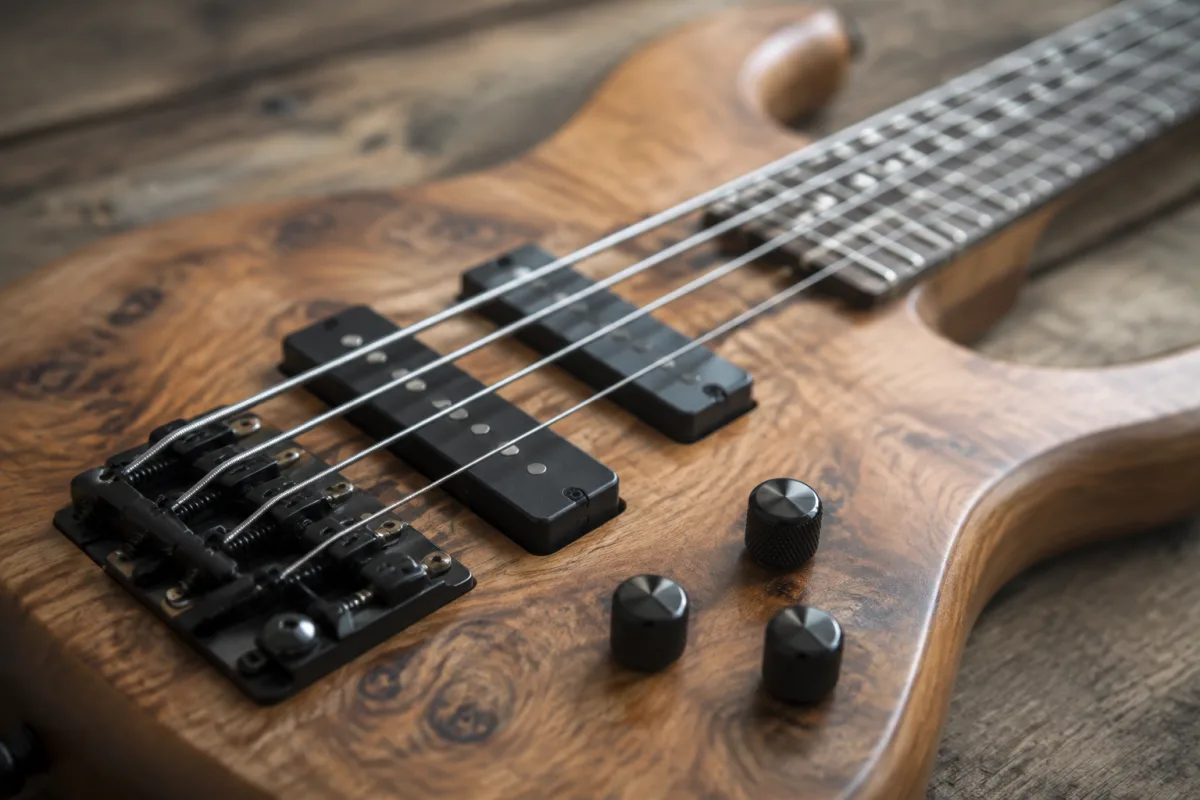
Buying a Tanglewood bass requires understanding what makes these guitars stand out in the budget and mid-range market. Tanglewood basses have earned a solid reputation for offering genuine playability and tonal character without the premium price tag of boutique brands. Whether you're upgrading from a starter instrument or beginning your bass journey, this guide walks you through the key considerations that separate a wise purchase from a costly mistake.
Body Construction and Wood Selection
The body is where Tanglewood basses typically deliver excellent value. Most models feature solid wood construction rather than plywood, which is significant at this price point. Look for basses with either alder or mahogany bodies—alder provides a balanced, articulate tone while mahogany leans warmer and fuller. The finish quality matters more than you might think; a well-executed stain and polyurethane coat protects your investment and ages better than cheaper lacquers.
Pay attention to the body contours and comfort. Tanglewood designs their bass bodies ergonomically, but everyone's physique differs. If possible, hold different models to ensure the horns don't dig into your ribcage and the waist sits comfortably against your body. A bass that feels awkward to hold will discourage practice, undermining the entire purchase.
Neck Profile and Playability
This is where many budget basses fail. Tanglewood generally maintains tight tolerances on neck thickness, profile, and fret work. You want a neck that feels substantial but not fatiguing—too thin and it feels flimsy, too thick and your hand tires quickly. Most Tanglewood basses sit in the comfortable middle ground.
Examine the frets closely. Press down hard at various points and sight down the neck under good light. Look for high spots (light gaps under a straightedge) or dips. Tanglewood's quality control is usually reliable, but it's worth checking before purchase. The nut should be cut cleanly, with adequate string spacing—typically around 16mm on a four-string bass. Poor nut work is frustrating and expensive to correct.
Electronics and Hardware
Tanglewood doesn't scrimp on pickups, which is commendable. Their standard pickups deliver clarity and punch without excessive hum or noise. Budget basses often disappoint here, but Tanglewood's electronics are genuinely functional for professional use. If you find a model with active electronics, check that the battery compartment is easily accessible—some budget designs make battery changes unnecessarily difficult.
Hardware durability matters for resale value and long-term reliability. Check that bridge saddles are solid brass or steel, not cheap pot metal. The tuning machines should turn smoothly without grinding. Tanglewood typically uses decent hardware, but inspect the bridge for corrosion or rough edges. The output jack should be solid and mounted firmly—a loose jack is a common failure point.
Recognising Different Tanglewood Bass Series
Tanglewood offers several bass lines at different price points. The entry-level models (£150–£300) are frankly budget instruments; they work but feel it. The mid-range basses (£300–£600) offer the best value and are genuinely playable professional instruments. Premium Tanglewood basses (£600–£900) approach handmade quality while remaining affordable.
Decide your budget category first. Spending £400 on a mid-range Tanglewood typically delivers better overall value than stretching toward a budget instrument from a premium brand. Conversely, don't overspend on a Tanglewood when a used vintage bass or modest upgrade from another maker might serve you better.
Sound and Tonal Character
Before buying, play the bass amplified through a decent rig if possible. Tanglewood basses respond well to quality amplification; plugging one through a tinny practice amp misrepresents its capabilities. Listen for clarity in the high notes, punch in the midrange, and solid low-end foundation. The tone should feel responsive to your playing dynamics—bright when you dig in, mellow when you play gently.
Consider whether the tonal character suits your intended genre. Tanglewood excels at rock, pop, and funk but works admirably in jazz and classical contexts too. Some players report that alder-bodied models offer more versatility, whilst mahogany specimens lean toward warmth.
Common Pitfalls to Avoid
Don't buy based solely on aesthetics. A beautiful finish masks poor playability and substandard construction. Avoid models with visible gaps between frets and the fingerboard—this indicates either poor fret installation or unstable wood. Watch for twisted necks by sighting down them carefully.
Be wary of "sunburst" finishes that appear cheap or inconsistent. Tanglewood's quality models have professional-grade finishes; if the stain looks uneven or the gloss is dull, you're likely examining a budget variant that's been marked up.
Don't assume all Tanglewood basses are identical. Even within a model line, manufacturing variation exists. If buying online, choose retailers with solid return policies. Inspect new purchases for shipping damage and manufacturing defects before committing.
Price Tiers and What to Expect
Budget models (under £300) deliver surprising playability for learners but expect heavier tolerances and occasional setup needs. Mid-range instruments (£300–£700) offer excellent value; these basses are genuinely professional instruments suitable for gigging. Premium Tanglewood basses (£700+) approach handcrafted quality in many areas and should compete favourably with boutique offerings.
Used Tanglewood basses represent exceptional value if you buy from private sellers or respected retailers. Depreciation is modest because these instruments hold their playability and tone. Expect to save 20–30% buying used, with minimal downside if the bass has been properly maintained.
Essential Setup Considerations
Even excellent instruments benefit from professional setup. A skilled technician can optimise action height, intonation, and neck relief for your playing style. Budget £50–£100 for setup if buying new, potentially less if the instrument arrived in good condition. This isn't an unnecessary expense—it transforms your playing experience and can reveal whether the bass is right for you.
Check the truss rod operation before purchasing. It should turn smoothly with no grinding or resistance. A stuck or stripped truss rod is expensive to repair and signals potential manufacturing issues. Tanglewood rarely ships with truss rod problems, but verify this yourself.
Warranty and Support
Tanglewood basses typically come with 1–2 year warranties covering manufacturing defects. This is standard and rarely an issue since these instruments are well-built. More valuable is purchasing from dealers who support their sales with advice and setup assistance. Avoid purely mail-order purchases from vendors offering no support.
Spare parts availability is good for Tanglewood basses. Bridges, pickups, and hardware are reasonably priced and readily available online. This is less true for budget brands, which sometimes become orphaned quickly as new models replace old ones.
Comparing to Alternatives at This Price Point
At similar price points, you're choosing between Tanglewood, Cort, Squier, and a few lesser-known brands. Tanglewood consistently punches above its weight class. Compared to budget Squiers, Tanglewood offers comparable playability with marginally better tone. Cort makes excellent instruments but typically commands higher prices. Budget Yamahas offer value but limited tonal variety compared to Tanglewood's range.
For buying-focused advice on Tanglewood bass, also review our complete guide to Tanglewood bass, which covers these instruments' history, specifications, and broader context.
Final Thoughts on Your Purchase
A Tanglewood bass represents a sensible investment if you prioritise playability and value over brand prestige. These instruments age well, maintain resale value, and genuinely perform in professional contexts. Take time selecting the specific model that suits your needs—try before buying when possible, and don't rush the decision. A bass you're genuinely excited to play is one you'll practice with consistently, ultimately determining whether any instrument delivers its potential.





Comments