


Gibson V Flying Buying guide
Gibson V Flying: A Complete Buyer's Guide
The Gibson V Flying represents one of electric guitar's most iconic and visually striking designs. Buyers need understanding of its specifications and value proposition.
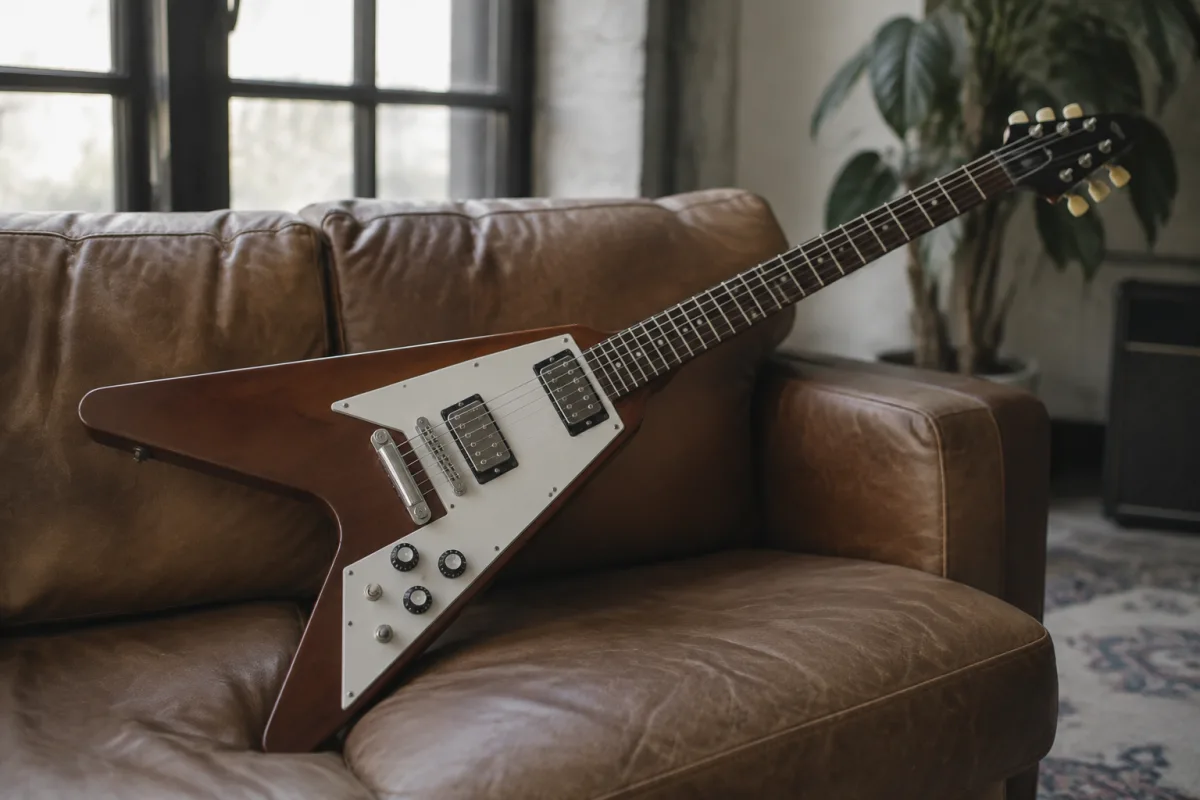
The Gibson V Flying (often called the Gibson Flying V) represents one of electric guitar's most iconic and visually striking designs. Buyers seeking this distinctive angular instrument need understanding of its positioning, weight, tonal characteristics, and value proposition compared to alternatives. This guide helps you evaluate whether a Gibson V Flying suits your needs and what features justify the price point.
Understanding Gibson V Flying History and Design Philosophy
First introduced in 1958, the Gibson Flying V established the "pointy guitar" aesthetic that influenced instrument design for decades. The triangular body provides distinctive visual impact whilst presenting practical challenges—sharp points catch on clothing and guitar straps, strap buttons occasionally fail under tension, and the unconventional shape demands learning different body positioning. Despite these quirks, collectors and rock players cherish the Gibson V Flying for its bold statement and genuine tonal quality deserving serious consideration.
Gibson V Flying Body and Construction Specifications
Modern Gibson V Flying models feature solid mahogany bodies with maple tops (premium variants), delivering rich, warm tones with sustain characteristics appealing to rock and heavy music players. Weight ranges 3.5–4.5 kg, making extended playing sessions demanding on shoulder and neck stability compared to conventional designs. Hardware includes Tune-o-matic bridges and stopbar tailpieces—professional standard components ensuring stability and playability. Frets typically showcase stainless steel or traditional nickel-silver, with neck profiles ranging from slim to medium thickness depending on year and model variant.
Pickup Options and Tonal Characteristics Comparison
| Pickup Configuration | Tonal Character | Best For | Price Impact |
|---|---|---|---|
| Two Humbuckers (standard) | Fat, powerful output; thick sustain | Rock, metal, blues, heavy genres | Standard configuration; no premium |
| P-90 Pickups (vintage option) | Bright, punchy; more responsive dynamics | Classic rock, punk, garage sounds | Adds £100–300 premium |
| Custom Shop Variants | Highly variable; often vintage-spec pickups | Tone connoisseurs, players seeking specific eras | Significant premium (£2,000+) |
Common Mistakes Buyers Make When Choosing Gibson V Flying
Mistake one: buying purely for visual appeal without considering playability. The Gibson V Flying's distinctive shape demands adjustment—some players find it uncomfortable initially. Always try before purchasing. Mistake two: ignoring weight considerations. At 3.5+ kg, the Gibson V Flying fatigues players unaccustomed to heavier guitars—important for seated or long-duration playing sessions. Mistake three: overlooking strap button durability. Aftermarket buttons from quality manufacturers prevent the frustration of strap failure mid-performance. Mistake four: assuming all Gibson V Flying models sound identical. Wood grain, hardware vintage, and construction variance produce significant tonal differences within the line.
Price Tiers Across Gibson V Flying Options
Entry-level Gibson V Flying models (£800–1,200) deliver authentic design and solid tone, suitable for players prioritising the aesthetic and general playability. Mid-range variants (£1,200–1,800) introduce premium materials, improved pickups, and refined finishes, justifying cost through tonal refinement and durability. Custom Shop Gibson V Flying instruments (£2,000–3,500+) represent handmade quality with individual attention, vintage-accurate specs, and premium wood selection. Budget-conscious players find excellent value in entry-level models; serious collectors justify Custom Shop pricing through investment quality and individual craftsmanship appreciation.
New vs. Vintage Gibson V Flying Considerations
Modern Gibson V Flying models offer warranties and consistent quality. Vintage instruments (1958–1980s) command premium pricing justified by rarity and investment value, but require expertise identifying fakes and assessing structural integrity. Original-finish vintage models sometimes fetch £5,000–15,000+, making purchasing decisions crucial. For most buyers, modern Gibson V Flying instruments deliver superior playability and durability compared to vintage alternatives. Collecting vintage models requires separate collector expertise beyond general playing considerations.
Evaluating Hardware and Electronics Quality
Premium Gibson V Flying models feature locking tuners—preventing tuning slip during vigorous playing—and quality switching mechanisms resistant to crackle and failure. Electronics should be potted (sealed in epoxy) protecting against moisture and corrosion. Wiring quality and solder joints directly affect tone clarity and noise performance; inspect connections carefully when evaluating used models. Reputable dealers provide playable, properly-setup instruments; private sales sometimes require professional evaluation costing £50–150 before committing to purchase.
Resale Value and Long-Term Investment Considerations
Well-maintained Gibson V Flying instruments hold value reasonably well—typically retaining 50–70% of original purchase price after several years. Limited edition runs and Custom Shop models appreciate more substantially than production versions. Colour, condition, and originality significantly influence resale value. Unlike some brands, Gibson has strong used market demand ensuring easier eventual sales compared to lesser-known instruments, making Gibson V Flying purchases relatively lower-risk investments compared to vintage or boutique alternatives.
Making Your Gibson V Flying Purchase Decision
Test multiple Gibson V Flying models if possible—tonal and playability variations matter significantly. Consider your musical genre; the Gibson V Flying excels in rock and heavy music but less naturally suits jazz or classical contexts. Evaluate weight and body comfort realistically; prolonged standing play demands conditioning. Budget-conscious players should try entry-level models before justifying mid-range or Custom Shop premiums. For comprehensive foundational knowledge about Gibson guitars and design philosophy, explore the complete guide to Gibson V Flying. Purchase from authorised dealers ensuring proper setup, warranty coverage, and return options protecting your investment.


Comments