


White Pianos article
White Pianos for Beginners: A Complete Guide
Starting piano as a nervous beginner is easier than you might think—particularly when you choose a white piano that fits your space and budget. This beginner's guide helps you get started confidently.
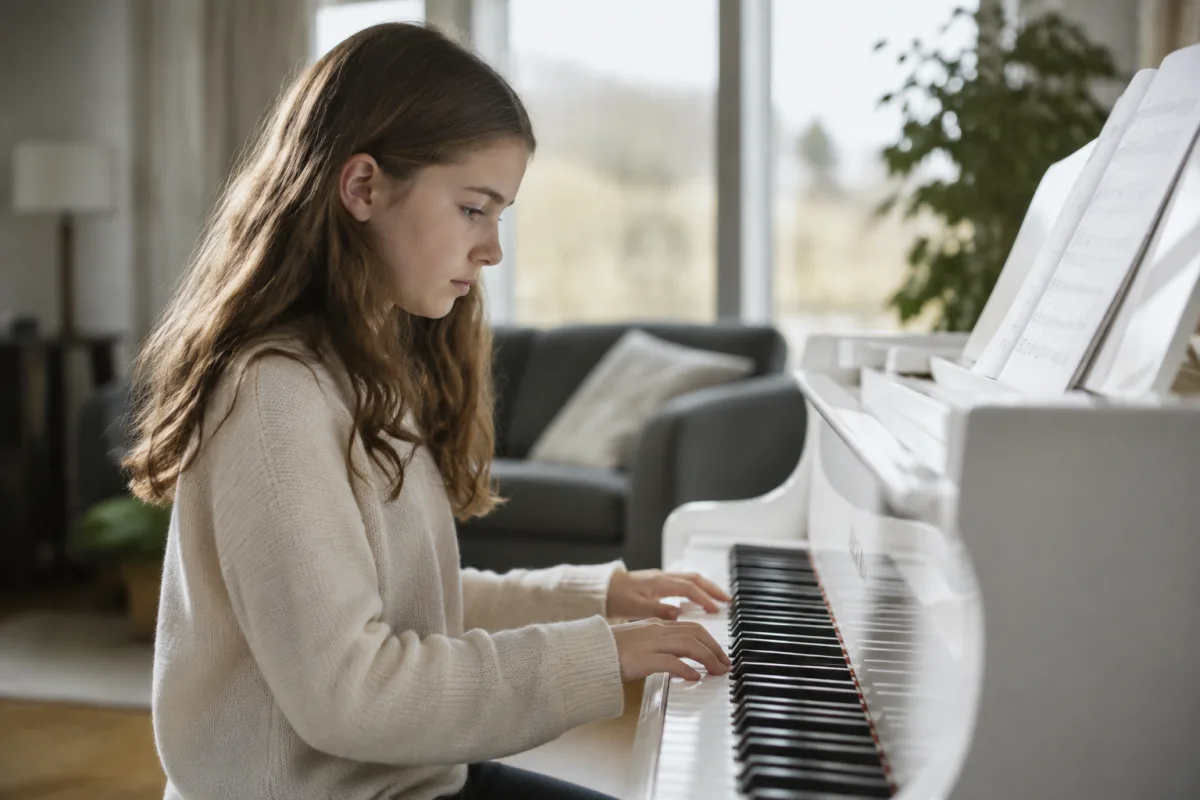
Starting piano as a nervous beginner is easier than you might think—particularly when you choose a white piano that fits your space and budget. White pianos offer a visually stunning presence in any room whilst providing the full keyboard experience that develops genuine musical skill. Whether you're starting your musical journey, returning to piano after years away, or introducing your child to music, a white piano combines aesthetic appeal with functional accessibility. This beginner's guide walks you through choosing your first white piano with confidence, avoiding common mistakes, and building a strong foundation for lifelong music enjoyment.
Why White Pianos Are Perfect for Beginners
White pianos capture attention and inspire practice. The striking visual aesthetic makes your practice space feel professional and motivating—an advantage beginners underestimate. Psychologically, sitting at an attractive instrument encourages regular practice more effectively than cramped bedroom setups with plain-looking keyboards. Additionally, white pianos encourage commitment. If you've invested in a beautiful instrument for your home, you're more likely to follow through with lessons and consistent practice. Many beginners struggle with motivation; a white piano provides constant visual reminder of your musical goals. Beyond psychology, white pianos are manufactured by every major piano maker, meaning you'll find options across all price ranges and sizes. Practical accessibility paired with inspirational aesthetics makes white pianos genuinely beginner-friendly.
Understanding Piano Types: Finding Your Starting Point
White pianos come in three primary categories, each suited to different beginners. Upright pianos are most common for home beginners, standing vertically to save space. They're affordable compared to grand pianos and produce excellent sound for learning. Digital pianos are lightweight, require no tuning, and offer modern features like headphone connectivity for silent practice. Hybrid digital-acoustic pianos combine physical piano mechanics with digital convenience. For complete beginners, digital white pianos offer the easiest starting point—no tuning required, quiet practice is possible, and technical reliability is superior. If you crave authentic mechanical feedback and full acoustic experience, white upright pianos deliver that at moderate cost. Professional-quality white grand pianos are overkill for beginners; start smaller and upgrade later if your passion develops.
Space and Setup Considerations
Before choosing a white piano, honestly assess your available space. White grand pianos require 6 feet or more of floor space—most apartments cannot accommodate them. White upright pianos occupy about 5 feet of width and 2 feet of depth, fitting most living rooms and bedrooms. Digital white pianos are most flexible, available in weighted 88-key models or compact portable versions. Measure your intended location carefully. A piano that barely fits in your space creates a claustrophobic playing experience. Additionally, consider storage stability—pianos need secure positioning against walls, away from windows (temperature fluctuation damages them), and protected from direct sunlight (which yellows white finishes). If your space is genuinely limited, digital pianos offer superior flexibility. If you have adequate room and permanent piano placement, an upright acoustic piano provides a more authentic learning experience.
The Beginner Budget: Understanding Price Ranges
| Price Range | Typical Type | Best For |
|---|---|---|
| £300–£800 | Entry-level digital | Test-driving piano interest |
| £1000–£2500 | Quality digital or used upright | Serious beginner with budget awareness |
| £3000–£6000 | New white upright acoustic | Committed learning with authentic experience |
| £10000+ | Grand pianos | Professional or advanced learners |
Entry-level digital white pianos (£300–£800) provide excellent value for testing whether piano truly interests you. They're low-risk, require no tuning maintenance, and allow headphone practice without disturbing others. Mid-range options (£1000–£2500) deliver better sound, improved keyboard action, and features like weighted keys that develop proper technique. White upright acoustic pianos at £3000–£6000 provide authentic mechanical learning experience and beautiful acoustic tone. Unless you're financially comfortable with grand pianos (£10000+), avoid them as a beginner purchase. Your first piano investment should match your current commitment level, not your idealised future proficiency.
Touch and Action: The Physical Learning Experience
How a piano keyboard feels beneath your fingers significantly impacts your learning. Weighted keys simulate acoustic piano resistance, developing proper technique from the start. Unweighted digital pianos feel too light and allow sloppy technique that becomes difficult to correct later. When auditioning white pianos, play middle-range keys—they're most noticeable and representative of overall action quality. Test both slow, controlled playing and faster passages. Quality instruments respond consistently to varied pressure and speed. Poor action causes frustration, makes learning difficult, and discourages practice. Budget-tier digital pianos often have disappointing action; investing in better weighted keyboards pays dividends through improved learning experience and motivation. Never purchase a white piano without playing it first if possible.
Your First Days: Building Confidence and Routine
Once your white piano arrives, spend a day simply familiarising yourself with it. Play random notes, listen to the sound, enjoy the visual beauty. Begin with basic hand position and simple scales—not advanced pieces yet. Invest in a beginner lesson book or subscribe to quality online piano courses. Consistency matters more than marathon practice sessions; 15–20 minutes daily outperforms sporadic two-hour sessions. Expect your fingers to hurt for the first few weeks as you develop strength and calluses. This is normal and temporary. Within a month of daily practice, you'll play recognisable melodies. That first moment when you complete your first song is genuinely thrilling and motivates continued practice. Find songs you love and commit to learning them; musical enjoyment drives skill development far more effectively than generic exercises.
Maintenance and Long-term Care
White acoustic pianos require annual professional tuning (approximately £100–£150 per session). Neglecting tuning damages your learning—playing an out-of-tune piano teaches your ear incorrect intervals. Digital white pianos require no tuning but need occasional cleaning and electronic maintenance. Protect your white piano from direct sunlight, which yellows the finish. Keep humidity stable—extreme fluctuations warp wood and damage internal mechanisms. Regular dusting prevents buildup that affects mechanical action. If you choose an acoustic white piano, budget for ongoing maintenance alongside your purchase cost. If maintenance feels burdensome, digital alternatives eliminate this concern entirely.
Common Beginner Mistakes to Avoid
Many beginners purchase white pianos for aesthetic reasons without considering acoustic quality or playability. A beautiful instrument that plays poorly sabotages learning progress. Another frequent error is buying undersized keyboards—some entry-level models have fewer than 88 keys or weaker action that won't develop proper technique. Additionally, beginners often neglect lessons, assuming they can teach themselves. Quality instruction accelerates progress and prevents bad habits that are difficult to break later. Finally, some nervous beginners give up after initial frustration, having purchased expensive instruments they don't use. If you're uncertain about long-term commitment, start with budget-friendly digital options and upgrade after proving sustained interest.
Taking Your First Lesson
Book your first lesson before or shortly after receiving your white piano. A qualified piano teacher is invaluable for establishing proper hand position, posture, and technique. Weekly lessons keep you accountable and provide structured progression. Even 30-minute weekly lessons accelerate learning dramatically compared to self-teaching. Find teachers through local music schools, private instructors, or online platforms offering beginner courses. Budget approximately £30–£60 per lesson depending on your location and teacher experience. Quality instruction is one of the best investments you'll make in your piano journey, directly impacting how quickly you progress and enjoy the learning experience.
Conclusion
Choosing your first white piano is an exciting step toward music-making and lifelong enjoyment. By understanding piano types, realistic budgets, and the importance of quality action and maintenance, you'll select an instrument that grows with you through your learning journey. Whether you start with an affordable digital white piano or invest in an upright acoustic model, the key is matching your choice to your space, budget, and current commitment level. Combine a quality white piano with regular practice, quality lessons, and genuine musical interest, and you'll build skills that provide lifetime satisfaction. Your piano journey begins the moment you sit at your new white piano with determination and enthusiasm. For more comprehensive piano guidance and information about piano options, explore our complete guide to white pianos.



Comments