


White Pianos Buying guide
White Pianos: A Complete Buyer's Guide
A detailed buying guide for white pianos covering finish types, pricing, maintenance, aesthetic considerations, and practical purchasing decisions.
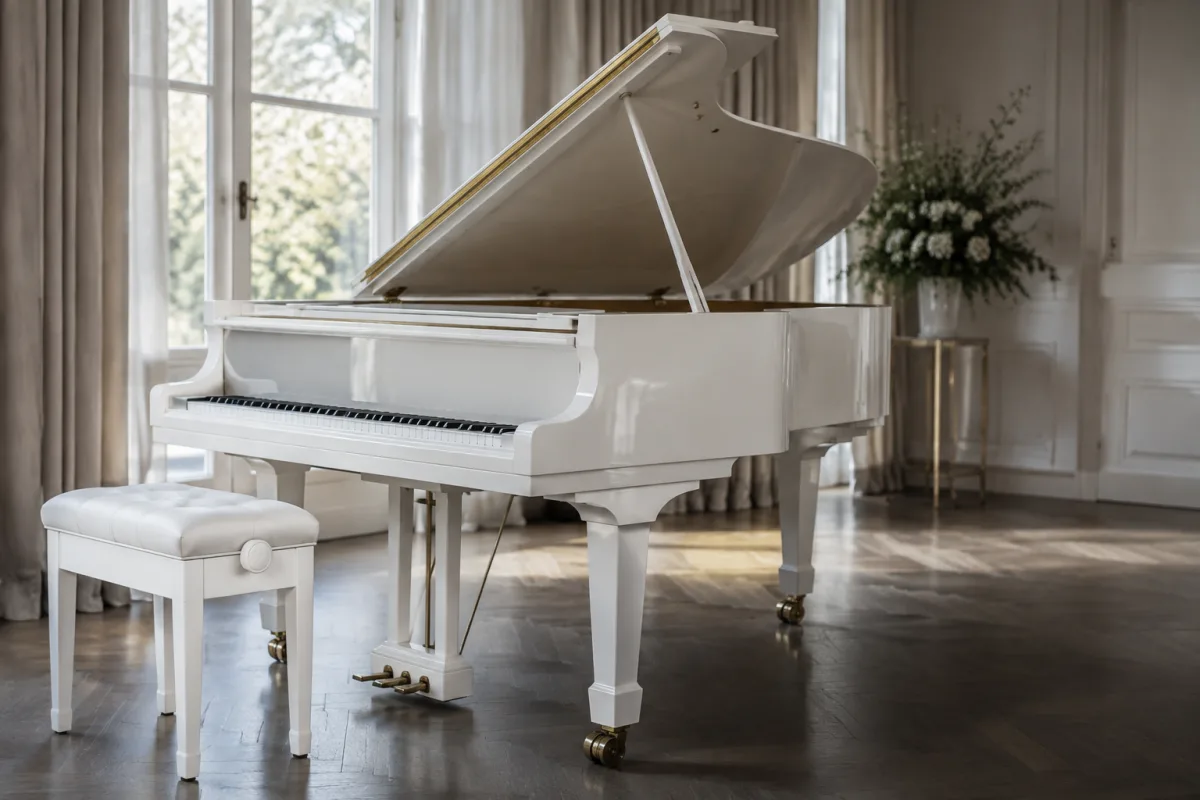
A white piano creates an unmistakable visual statement within any room—elegant, contemporary, and perpetually striking. Whether you're selecting a white piano for a professional concert hall, a recording studio, or a home living space, purchasing decisions involve far more than aesthetics alone. This guide focuses exclusively on practical buying considerations: understanding white piano finish types, evaluating structural and acoustic implications, assessing maintenance requirements, navigating budget brackets, and identifying the pitfalls that lead most white piano buyers to regrettable purchasing decisions.
White Piano Finish Types and Manufacturing Methods
White pianos employ several distinct finish methods, each with different aesthetic, durability, and cost characteristics. Polished white lacquer represents the most common and affordable option, offering brilliant gloss reflection and elegant appearance. This finish requires regular maintenance and shows fingerprints readily; it suits concert environments with frequent professional cleaning. Satin white finishes provide softer, less reflective appearance whilst reducing fingerprint visibility and cleaning demands. These finishes cost slightly more (typically 5-10% premium) but prove more practical for living spaces. Some manufacturers offer special "bright white" or pearl-enhanced finishes creating distinctive visual effects; these premium options cost 15-30% more and appeal primarily to professional performances and recording facilities seeking aesthetic distinctiveness. Matte white finishes represent the most maintenance-friendly option but remain less common among major manufacturers; these cost similarly to satin finishes but offer superior dust resistance.
Size and Configuration Considerations
White pianos are manufactured across the full range of piano sizes: baby grands (4-5 feet), medium grands (5-6 feet), concert grands (7-9 feet), and upright pianos (4-5 feet tall). The piano's acoustic capabilities depend primarily on size rather than finish colour. Don't downsize or upsize piano selection based on white finish aesthetics; choose appropriate size for your acoustic needs, then evaluate white finish options within that category. Verify your space accommodates the selected piano size comfortably; large concert grands demand substantial room and professional installation. Smaller spaces suit baby grands or upright pianos regardless of finish colour. Finish selection shouldn't compromise acoustic suitability to your application.
Maintenance Requirements and Long-Term Care
White piano finishes demand more frequent care and attention than traditional black finishes. Dust becomes immediately visible against white surfaces; regular cleaning with microfibre cloths and appropriate furniture polish maintains appearance. Polished white lacquer finishes require professional-grade touch-up and refinishing services periodically—factor £500-2000 annually into ownership calculations for concert pianos. Satin and matte finishes prove significantly more forgiving; light dust disturbance shows less obviously, and regular cloths provide adequate cleaning. Avoid placing white pianos in direct sunlight; prolonged exposure yellows white finishes and damages underlying wood. Humidity control matters significantly; white pianos in uncontrolled environments develop discolouration and finish degradation over years. Professional installation includes proper placement away from heat sources, direct sunlight, and humidity extremes.
Budget Brackets and Realistic Pricing
White piano finishes typically add 10-25% to manufacturing costs compared to black versions of equivalent instruments. Entry-level white baby grands cost £25,000-40,000; equivalent black pianos cost £20,000-32,000. Mid-range white concert grands cost £80,000-150,000; black equivalents cost £65,000-125,000. Premium concert white pianos cost £150,000-300,000+; the premium reflects specialized manufacturing, hand-finishing, and limited production volumes. Used white pianos offer 20-40% discounts compared to new pricing, though finding suitable used inventory proves challenging. Certified refurbished white pianos from authorised dealers cost 15-30% less than new models whilst carrying warranty support and guaranteed finish quality. Private sellers and grey-market sources offer steeper discounts but sacrifice warranty and professional restoration assurance.
Acoustic Characteristics and Sound Quality
White piano finish doesn't inherently affect acoustic characteristics; sound quality depends on internal construction, materials, and craftsmanship rather than exterior colour. However, premium white piano models typically represent higher manufacturing tiers, often featuring superior materials and construction compared to budget-priced alternatives. When selecting white pianos, evaluate acoustic performance independently from finish aesthetics. Test multiple pianos personally if possible; even within the same manufacturer's product line, individual instruments vary considerably. Audio recordings cannot adequately convey piano tone character; professional auditioning remains essential for serious purchases.
Aesthetic Integration and Interior Design Compatibility
White pianos demand thoughtful placement within interior environments. In contemporary, minimalist spaces with white walls and bright lighting, white pianos blend seamlessly. In traditional or eclectic rooms, white pianos create striking visual contrast requiring deliberate design integration. Evaluate your space's colour palette, lighting conditions, and interior style before committing to white finishes. Some buyers discover too late that white pianos clash dramatically with existing décor or create overly clinical environments. Professional interior consultation, when white pianos serve interior design functions alongside musical purposes, prevents costly aesthetic regrets.
Pitfalls to Avoid When Purchasing White Pianos
Most white piano buyers repeat predictable mistakes that undermine purchasing satisfaction. First, many select white finishes purely for aesthetics without considering maintenance demands and commitment required for appearance preservation. Second, purchasers frequently downsize or upsize pianos to fit white finish availability within budget constraints; this compromises acoustic suitability. Third, many buyers neglect to consider lighting conditions in their space; white pianos appear dramatically different under incandescent versus LED versus natural lighting. Fourth, many purchase white pianos without arranging professional installation and environmental management; pianos deteriorate rapidly in uncontrolled humidity and temperature conditions. Fifth, buyers often underestimate maintenance costs; professional white piano care costs considerably more than equivalent care for black instruments.
Professional Venues and Sponsorship Considerations
For additional comprehensive information on white pianos and other piano finishing options, explore our complete guide to white pianos, which covers styling considerations, brand comparisons, and detailed specifications.
Professional concert venues and recording studios often select white pianos for visual distinctiveness and marketing impact. These environments justify premium finish costs and maintenance investments. Home buyers and smaller facilities must evaluate whether aesthetic benefits justify ongoing maintenance commitments and increased ownership costs.
Conclusion
White piano finishes create striking visual statements whilst demanding significantly greater maintenance commitment than traditional black finishes. Select piano size and acoustic characteristics first; allow white finish options to complement, not drive, purchasing decisions. Budget 10-25% premium for white finishes compared to equivalent black models. Prioritise satin and matte finishes over polished lacquer in residential environments; reduced maintenance demands prove worthwhile. Factor £500-2000 annually into ownership costs for professional-grade appearance maintenance. Arrange professional installation ensuring proper environmental control. Evaluate space lighting, décor compatibility, and long-term maintenance commitment before finalising white piano purchases. White pianos reward commitment from owners willing to maintain appearance; casual buyers often regret premium pricing and maintenance burdens within 2-3 years of ownership.


Comments