


Types of Guitar Buying guide
Types Of Guitar: A Complete Buyer's Guide
Choosing the right type of guitar is crucial for long-term enjoyment. Learn how to pick between acoustic and electric, consider scale and body size, and avoid costly beginner mistakes.
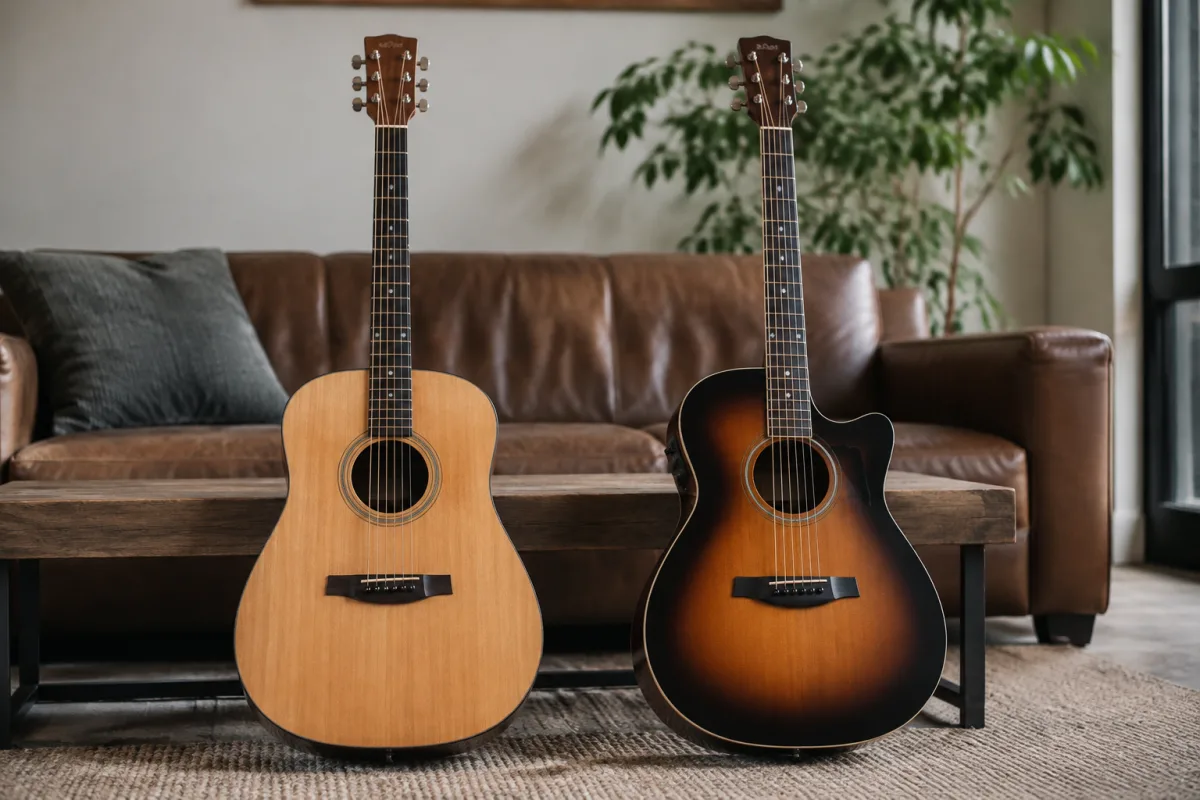
Buying your first guitar is more than just picking an instrument off the shelf. The type of guitar you choose dramatically affects how much you enjoy playing, how quickly you progress, and whether you'll stay motivated when practice gets difficult. Many nervous buyers rush this decision or choose based on looks alone, then regret it months later when they discover their guitar doesn't suit their goals or feels uncomfortable to play. This buying guide cuts through the confusion and shows you exactly which type of guitar matches your playing style, budget, and ambitions.
Acoustic vs. Electric: The Fundamental Choice
Before choosing a specific guitar, you must answer the most basic question: acoustic or electric? This choice determines everything that follows.
Acoustic guitars produce sound naturally through the wooden body. No amplifier needed. You pick one up and play. They suit traditional music, singer-songwriter styles, folk, and fingerpicking. Acoustics generally cost £100–£400 for beginner models, making them budget-friendly. However, they're harder on the fingers—the strings sit higher and require more finger strength—which frustrates nervous beginners trying to build calluses. Acoustics are also louder (sometimes annoyingly so in small spaces) and produce a wider range of acoustic tones once you develop skill.
Electric guitars require an amplifier to produce volume. The strings sit closer to the fingerboard, making them easier on developing fingers and hands. This matters hugely for nervous beginners who worry about finger pain. Electric guitars suit rock, metal, pop, and jazz. They're versatile and forgiving. The downside: you need to budget for an amplifier (£80–£300+ for a decent beginner combo), plus potentially a cable and pedals later. However, electric guitars let you practice silently using headphones, which matters if you live in a flat or have a partner who values peace.
Choose acoustic if you love the natural sound, don't mind softer fingers, and have space for volume. Choose electric if you want ease of playing, silent practice options, and versatility across modern genres.
Body Size and Scale Length: Comfort and Playability
Once you've chosen acoustic or electric, consider body size and scale length—factors that dramatically affect whether the guitar fits your hands and body comfortably.
Scale length (the distance from the nut to the bridge) affects how the guitar feels when you play. Smaller-scale guitars (24 inches or less) suit players with smaller hands, young beginners, and anyone who finds standard guitars physically awkward. Standard-scale guitars (25.5 inches for most electrics, 24.75 inches for some) fit most adults. Some larger guitars run 25.5+ inches or even 27 inches, which can feel uncomfortably stretched for petite players.
Body size matters equally. A full-size acoustic might be overwhelming for a shorter or younger player. Three-quarter size acoustics exist for exactly this reason. For electric guitars, smaller body styles (like Fender Jaguars or Jazzmasters) suit players who find Stratocasters or Les Pauls too large.
Never assume you need a full-size guitar. Many nervous buyers choose oversized instruments because they're "standard," then struggle with comfort issues that make practice feel like a chore. Spend time holding candidate guitars and playing a few chords. If your arm strains or your hand cramps, the guitar is too big for you right now.
Price Tiers and What They Actually Mean
Guitar prices span wildly, from £50 impulse buys to £5,000+ investment pieces. Where should a nervous buyer spend money?
- Beginner budget: £80–£200 Decent playable guitars that won't frustrate you. Don't expect professional tone or perfect action (the height of strings above the fingerboard), but you'll get something that works. Avoid the absolute cheapest no-name brands; stick to recognized budget brands like Squier, Epiphone, or Ibanez.
- Intermediate budget: £200–£500 Better build quality, improved hardware, and noticeably better tone. If you're serious about playing, this tier offers real value. Many players stay at this level for years because the gap between intermediate and premium is smaller than the gap between beginner and intermediate.
- Premium tier: £500–£1,500+ Professional-grade instruments with excellent craftsmanship, premium materials, and superior playability. A nervous beginner doesn't need to spend this much. Professionals and experienced players invest here because they can hear and feel the difference. You won't notice it yet.
The worst mistake nervous buyers make is spending too little (under £80) trying to save money, then hating the guitar's feel and tone. The second-worst is spending too much (£1,000+) on an instrument that will sit unused because it's intimidating or because you've already lost interest. Spend in the beginner budget range (£100–£200) and revisit this decision after one year of regular playing. At that point, you'll know whether to upgrade, stick with your current guitar, or switch directions entirely.
Wood Types and Tone (For Acoustic)
If you're buying acoustic, wood type affects tone slightly, but don't let sellers oversell this. For nervous beginners, any solid-wood acoustic from a decent brand sounds acceptable. Spruce tops are standard because they're forgiving and produce balanced tone. Cedar tops are slightly warmer and suit fingerpicking. Laminate tops are cheaper but wear less gracefully than solid wood.
For your first acoustic, a solid spruce top within your budget is perfect. Stop overthinking the tonewoods. At your skill level, your playing technique affects the tone far more than the wood species anyway.
Common Buying Mistakes to Avoid
- Choosing based purely on looks. That cool-looking black electric guitar might be uncomfortable for your hands. Hold it first. Play a few chords. Looks matter far less than comfort and playability.
- Buying too cheap to save money. A £50 guitar teaches you to hate playing because it hurts your fingers and sounds terrible. Spend at least £100–£150 on your first guitar.
- Ignoring your actual musical goals. If you want to play rock songs, don't buy an expensive nylon-string classical acoustic just because it's "proper." Mismatch between instrument and goals kills motivation faster than anything else.
- Overthinking specifications you'll never use. As a nervous beginner, you don't need a guitar with premium pickups or exotic tonewoods. You need an instrument that inspires you to practice and fits your hands comfortably.
- Not trying before you buy. Online shopping is convenient, but buying a guitar without holding it is like buying shoes without trying them on. Visit a music shop, hold several types of guitar, and feel which one naturally fits your hands and body.
The Setup and Playability Factor
An expensively-made guitar with terrible setup (strings too high, intonation off) plays worse than a modestly-priced guitar that's been properly adjusted. Many nervous buyers buy a cheap guitar, then blame themselves for struggling, when actually the guitar needs a professional setup (£30–£50) to be playable.
Ask the music shop whether the guitar is ready to play or needs setup. Many budget guitars benefit from a quick professional adjustment. This small investment transforms playability dramatically. Don't skip this step.
Making Your Choice
To decide which type of guitar to buy, ask yourself these questions: What music inspires you? Do you want quiet practice or full volume? Do your hands naturally fit a standard-size guitar? What's your actual budget (including amplifier for electric, or tuner/capo for acoustic)? What matters most: ease of playing, tone, aesthetics, or versatility?
For deeper exploration of specific guitar types and their detailed characteristics, our complete guide to types of guitar covers each style in comprehensive detail. Right now, focus on this: choose acoustic or electric based on your musical goals, find a comfortable size that fits your hands, and spend enough (£100–£200) to get a playable instrument. Your first guitar is a launchpad, not your forever instrument. Make it comfortable and enjoyable, and you'll stay motivated to play.


Comments