


PRS Bass article
Prs Bass for Beginners: A Complete Guide
A PRS bass combines comfort, playability, and excellent tone quality, making it a strong beginner choice. Discover which models fit beginner budgets and why experienced players recommend them.
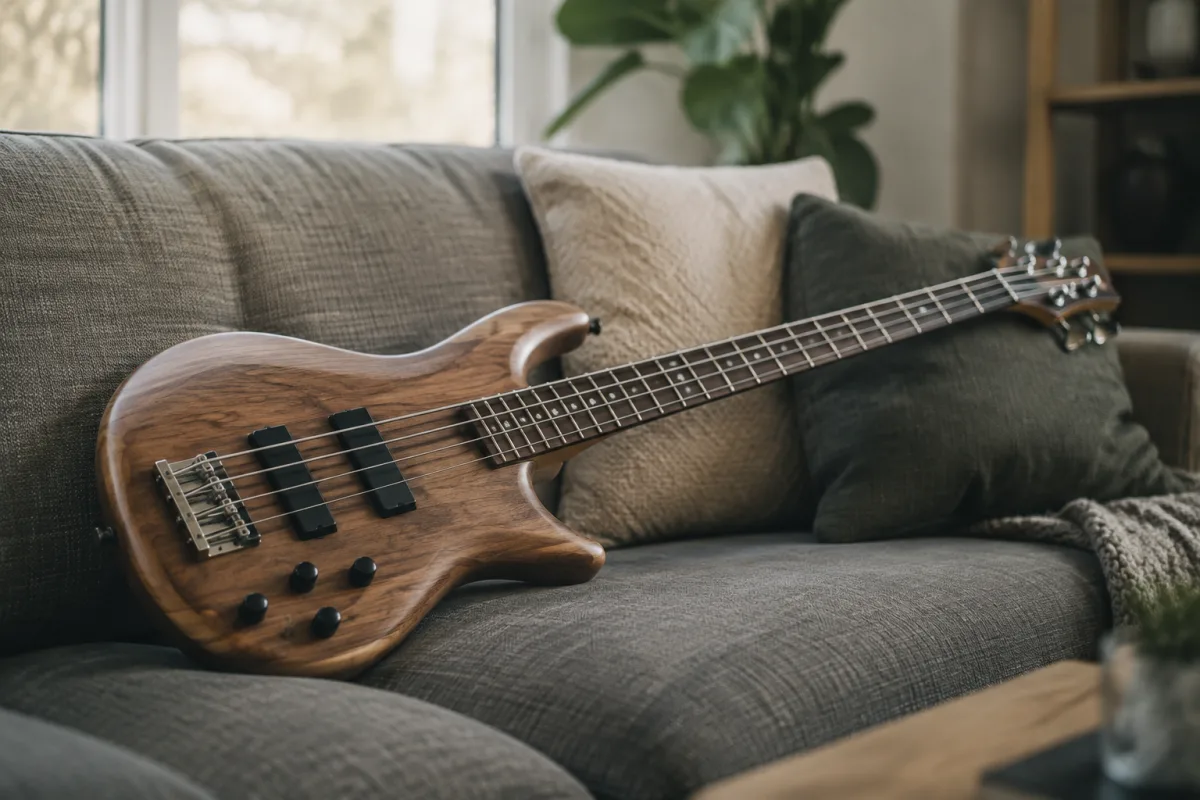
You're considering learning bass guitar, and someone's mentioned a PRS bass as a worthwhile option. You might be wondering if a PRS bass is something a beginner can actually start on, or if it's exclusively for experienced players with deep pockets. The truth is more encouraging: a PRS bass is an excellent beginner instrument if you understand what makes it special and whether it fits your budget and goals.
Why PRS Bass Guitars Appeal to Beginners
PRS is known for producing guitars of exceptional quality and consistency. This reputation extends to their bass offerings. A PRS bass combines comfort, playability, and tone in a package that makes learning genuinely enjoyable.
The neck of a PRS bass is one of the primary reasons beginners gravitate toward them. PRS necks are typically comfortable and well-proportioned, with enough width to prevent accidental string muting but not so wide that beginner hands feel overwhelmed. The action (string height) on a PRS bass is typically set up well from the factory, meaning minimal initial setup headaches.
The tonal character of a PRS bass is another beginner advantage. These instruments produce a balanced, articulate tone that responds well to developing technique. Your playing mistakes sound less harsh than they would through a cheaper bass. That's genuinely encouraging when you're learning.
Beyond the physical instrument, PRS basses hold their value remarkably well. If you buy a PRS bass as a beginner and later decide bass isn't for you, reselling doesn't devastate your finances the way some instrument purchases do. This makes a PRS bass a more reversible commitment than cheaper alternatives you might abandon.
Understanding PRS Bass Categories for Beginners
PRS makes various bass models, and understanding the range helps you find what suits your needs and budget.
SE series: The SE is PRS's more affordable line, often costing £400-800. These are beginner-friendly PRS bass instruments made in partnership with other manufacturers. They share the design philosophy and quality control of higher-end PRS basses but at accessible pricing. For a beginner budget, SE series PRS basses represent excellent value.
Core and Artist series: These are more expensive (£1200+), feature premium materials and construction. As a beginner, you don't need this tier. You're better served by an SE PRS bass while you're developing technique. Graduate to premium models later if bass becomes central to your musical life.
Used PRS basses: The second-hand market for PRS basses is robust. A used PRS bass from 10 years ago is likely to be an excellent instrument, often cheaper than a new SE model, and already broken in (which some players prefer). For budget-conscious beginners, used PRS bass instruments offer outstanding value.
Common Beginner Mistakes When Considering a PRS Bass
Before you commit to a PRS bass, understand where beginners typically stumble.
Mistake #1: Assuming PRS Bass Prestige Justifies Overpaying
A PRS bass from a premium line is beautiful and plays wonderfully, but as a beginner, you don't need it. The SE series PRS bass gives you 90% of the experience for 50% of the cost. Prestige and premium materials matter less than comfort and playability when you're learning fundamentals.
Mistake #2: Not Considering Your Musical Goals
Different PRS bass models suit different styles. Some are voiced for jazz and funk (articulate and punchy), others for rock (thicker, more sustain). Before choosing a PRS bass, consider what music you'll actually play. A PRS bass is versatile, but matching model characteristics to your goals matters.
Mistake #3: Skipping Professional Setup on a New PRS Bass
Even factory-set PRS basses benefit from professional setup after purchase. A luthier can fine-tune action, adjust neck relief, and optimise intonation for your specific preferences. Spending £50-100 on setup makes an enormous difference. Don't skip this for a PRS bass—it's an investment that pays dividends.
Mistake #4: Comparing Used PRS Bass Price to New Budget Alternatives
A used PRS bass might cost £600, tempting you to buy a new budget-brand bass at £400 instead. Don't. A used PRS bass instrument will likely outlast and outplay a cheap new bass significantly. The used PRS bass is the better investment almost every time.
Mistake #5: Not Trying the PRS Bass Before Buying
Hold a PRS bass in your hands before purchasing. How does the neck feel? Does the weight seem manageable for extended practice? Does the sound inspire you? A PRS bass is excellent, but your personal comfort matters. Never buy without testing first.
What a Beginner Should Expect from a PRS Bass
You've got your PRS bass in hand. Here's what your first months should feel like.
Week one: Your fingers will develop calluses from pressing steel strings. This is standard bass learning and applies to any bass, not just a PRS bass. Play 20-30 minutes daily initially, building up duration as calluses form.
Week two to three: Suddenly the PRS bass feels natural in your hands. The neck that felt foreign is now familiar. Your fingers know where notes are. You're playing short bass lines cleanly. The responsive tone of the PRS bass is genuinely motivating.
Month two and beyond: You're developing finger strength and technique. A PRS bass responds beautifully to improving skills, rewarding you with better tone as your technique refines. You're genuinely enjoying the instrument rather than fighting it.
Building Your Bass Rig Around the PRS Bass
A PRS bass needs an amplifier to be heard. Budget matters here. A good practice amp costs £150-400 and gives you everything you need for learning at home. A gigging amp costs more but isn't necessary starting out.
Beyond the amp, you'll need a cable and a tuner. Both are inexpensive. A strap is essential if you play standing. Budget-quality accessories work fine for beginners—you're not compromising by skipping expensive cables when learning.
Long-Term Value of a PRS Bass
Unlike some instrument purchases that depreciate rapidly, a PRS bass holds value. If you commit to bass guitar seriously, this instrument serves you for years. If you discover bass isn't your thing, a PRS bass resells relatively easily and recovers much of your investment. That's a meaningful difference compared to cheap beginner instruments that become expensive paperweights.
Many professional musicians still play PRS bass instruments years after first buying them as learners. That longevity speaks to the quality and versatility of the instrument.
Making Your Final Decision
A PRS bass is genuinely beginner-friendly if you prioritise the SE series and used models within your budget. The comfort, playability, and tonal responsiveness make learning more enjoyable. You're not "wasting" a good instrument by starting on a PRS bass—you're giving yourself a platform to develop well.
The only real question is whether the cost fits your budget. If you can stretch to a PRS bass (especially used or SE series), it's an excellent choice. If not, focus on getting any quality instrument you can afford—commitment and practice matter more than brand prestige when you're beginning.
For more comprehensive information about PRS bass models, specifications, and comparing them to other instruments, the complete guide to PRS bass guitars covers everything in technical depth. But for a beginner, you've got the foundation: a PRS bass is an excellent choice, start with the SE series or used models, get professional setup, and enjoy the journey.



Comments