


PRS Bass Buying guide
Prs Bass: A Complete Buyer's Guide
A PRS bass combines exceptional build quality, versatile tone, and playability across multiple genres. This guide helps you navigate the range and find the right instrument for your playing needs.
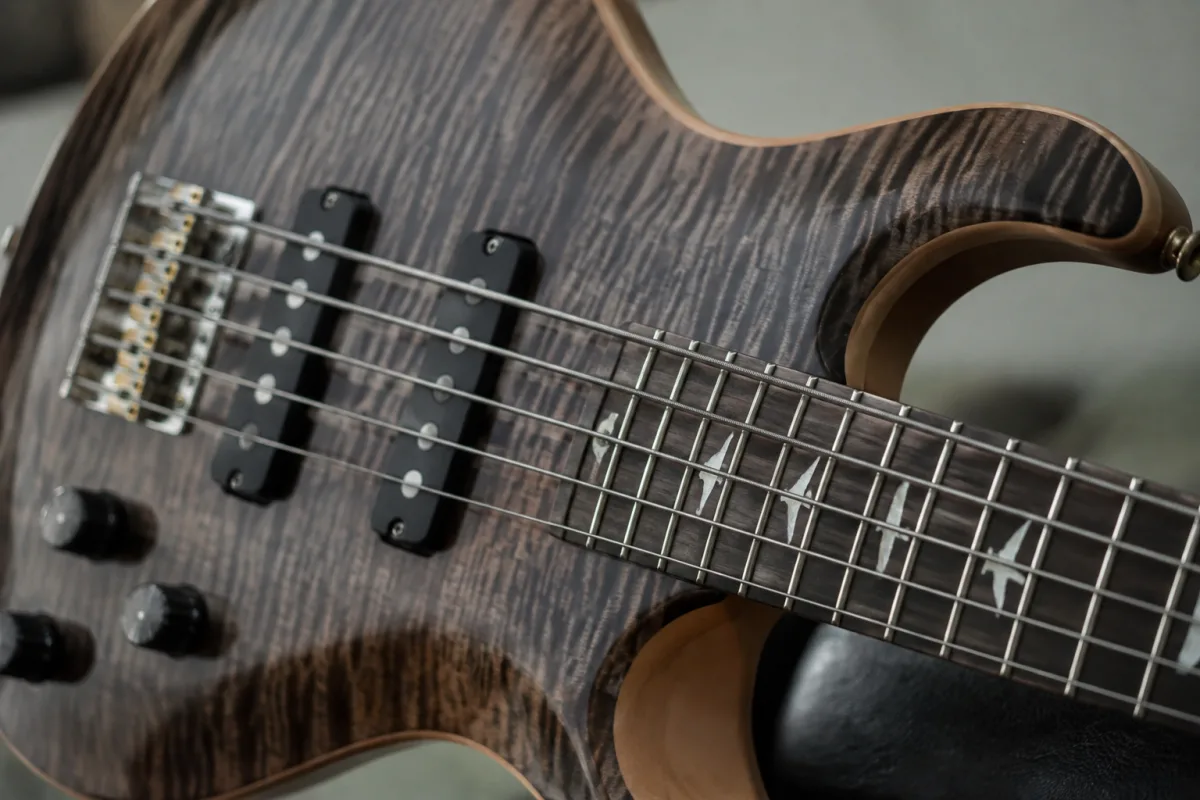
PRS guitars have earned a reputation for exceptional build quality and versatile tone, but their bass guitars are often overlooked by players exploring alternatives to traditional brands. A PRS bass combines elegant design, premium construction, and tonal flexibility that appeals to both professional musicians and serious amateurs. This buyer's guide walks you through the specifications, model variations, tonal characteristics, and pricing that determine whether a PRS bass is the right choice for your playing style and investment level.
Understanding PRS Bass Design Philosophy
Paul Reed Smith built his company on the principle that great instruments should feel and sound exceptional at every price point. A PRS bass reflects this philosophy through meticulous attention to tonal balance, playability, and craftsmanship. Unlike some manufacturers who sacrifice quality at lower price tiers, PRS maintains consistent standards across their bass lineup.
The typical PRS bass features a bolt-on neck (for tonal brightness and easier maintenance), single-cutaway body shape (designed for upper-fret access), and versatile electronics. These design choices create an instrument equally at home in jazz, funk, rock, or contemporary genres. Understanding these foundational design principles helps you assess whether a PRS bass suits your musical needs.
Pickup Configuration and Tonal Characteristics
The heart of any bass's tone lies in its pickups. PRS bass models typically use either split-coil or dual-coil (humbucker) pickup configurations. Split-coil pickups deliver punchy, articulate tone with strong midrange presence—ideal for funk and rock. Dual-coil pickups produce warmer, rounder tone with enhanced low-end response—suited to jazz and blues.
When shopping for a PRS bass, identify which pickup configuration suits your genre and playing style. Listen to audio samples of both configurations through a quality amplifier. The difference is immediately apparent, and this single factor often determines whether a PRS bass feels right for your music.
Most PRS bass models feature active or passive electronics. Active electronics offer more tonal shaping flexibility with bass and treble boosts, whilst passive configurations provide simpler, more straightforward tone. Beginners often prefer passive; experienced players appreciate active's versatility.
Body Wood and Finish Quality
PRS is renowned for wood selection and finish quality. Their bass guitars typically feature solid wood bodies (mahogany, maple, or combinations) that resonate with natural warmth and sustain. The wood species directly affects tone: mahogany bodies produce warmer, rounded tone, whilst maple bodies deliver brighter, snappier response.
Examine the finish closely when evaluating a PRS bass. Quality PRS finishes feel smooth and durable, with even colouration throughout. The finish protects the wood and contributes subtly to tonal character. Budget finishes often appear thin or uneven; premium PRS bass models showcase thick, lustrous finishes that suggest exceptional craftsmanship.
Neck Specifications and Playability
A PRS bass's playability depends heavily on neck dimensions and profile. PRS offers various neck widths and shapes across their bass lineup. Narrower neck widths suit players with smaller hands; wider widths provide more finger space for complex playing. Neck profile (the cross-sectional shape) ranges from slim modern profiles to vintage-inspired rounded shapes.
When shopping for a PRS bass, you must play multiple examples to find your preferred neck feel. What suits one player can feel awkward for another. Don't assume a narrow neck is inherently "beginner-friendly" or a wide neck automatically professional—it depends on your hand size, technique, and personal preference.
Bridge and Hardware Quality
PRS bass hardware is generally excellent across the range. Their bridges provide stable tuning, adequate string spacing, and trouble-free operation. Examine bridge construction—quality models feature solid metal construction with individually adjustable saddles for proper intonation. The bridge significantly impacts tone, so don't overlook this specification.
Hardware finish (chrome, black nickel, or custom finishes) affects appearance rather than function, but quality plating indicates overall build quality. Flimsy hardware or sloppy assembly suggests cost-cutting that extends to the electronics or hardware durability.
Price Tiers and Value Assessment
PRS bass guitars span a range of price points, each tier offering distinct value:
- Core Series (£1200–£2000): Entry-level PRS bass models built to consistent quality standards. Solid construction, reliable electronics, and respectable tone. Suitable for intermediate players and semi-professional gigging.
- Standard Production (£2000–£3500): Mid-range models with premium wood selection, enhanced electronics, and superior craftsmanship. Most working bassists choose this tier for reliability and performance value.
- Special Editions (£3500–£5500): Limited-run PRS bass models featuring exotic woods, custom electronics, or boutique aesthetics. Appealing to players seeking distinctive tone or visual appeal.
- Signature/Private Stock (£5500–£10,000+): Artist-signature models or fully custom instruments built to precise specifications. Investment purchases for professional touring musicians or collectors.
The Standard Production tier offers exceptional value for professional use. A £2500–£3000 PRS bass delivers reliability, playability, and tone quality that serves touring and recording contexts admirably.
Comparative Analysis: Why Choose a PRS Bass?
When deciding on a PRS bass, consider how it compares to competitors. PRS basses typically cost more than budget brands but less than ultra-premium luthier instruments. The value proposition lies in consistent quality: every PRS bass meets the same construction standards, regardless of price tier. You're paying for American craftsmanship, careful wood selection, and exacting quality control.
Players often choose PRS bass guitars for their versatility. Unlike single-genre instruments, a PRS bass functions equally well in jazz, funk, rock, or contemporary music. This adaptability appeals to touring musicians and studio professionals who need one reliable instrument.
Common Pitfalls When Buying a PRS Bass
Avoid these frequent mistakes:
- Buying without playing: Every PRS bass has slight tonal variations based on wood, finish, and setup. Play the exact instrument you'll purchase, not just the model.
- Prioritising appearance over playability: Beautiful finish and exotic wood look impressive, but if the neck feels wrong for your hands, appearance doesn't matter when you're playing.
- Overlooking electronics compatibility: Active electronics require 9V batteries or power supplies. Consider maintenance costs and whether you prefer simpler passive electronics.
- Ignoring setup: A poorly set-up PRS bass feels difficult to play and sounds suboptimal. Budget for professional setup adjustment if needed (typically £50–£150).
- Neglecting resale value: PRS basses hold resale value well, but less popular colours or configurations may resell slowly. Choose finishes and configurations that appeal broadly.
Testing and Trial Considerations
Before committing to a PRS bass purchase, test it through your own amplification if possible. Different amps highlight different tonal characteristics. A PRS bass that sounds great through a shop's demo amp might surprise you when played through your rig.
Request a trial period (many retailers offer 14–30 days). Play the instrument in rehearsal and performance contexts. A bass that impresses in the shop can feel disappointing once integrated into your band's sound. Conversely, a PRS bass that feels awkward initially may become your favourite after a week's adjustment.
For deeper exploration of PRS basses, their evolution, and player applications, read our comprehensive guide to PRS bass guitars, which covers brand history, technical innovations, and professional player preferences.
Making Your Investment
Choosing a PRS bass is investing in an instrument built to professional standards at competitive pricing. Prioritise playability over aesthetics, test thoroughly through your own equipment, and don't economise on professional setup. A well-chosen PRS bass becomes a trusted companion for your musical journey, capable of serving studio sessions, live performances, and creative exploration for decades to come.


Comments