


Guitar to Speaker Buying guide
Guitar To Speaker: A Complete Buyer's Guide
Choose the perfect guitar speaker cabinet. Understand impedance requirements, speaker sizing, and avoid costly purchasing mistakes for optimal tone.
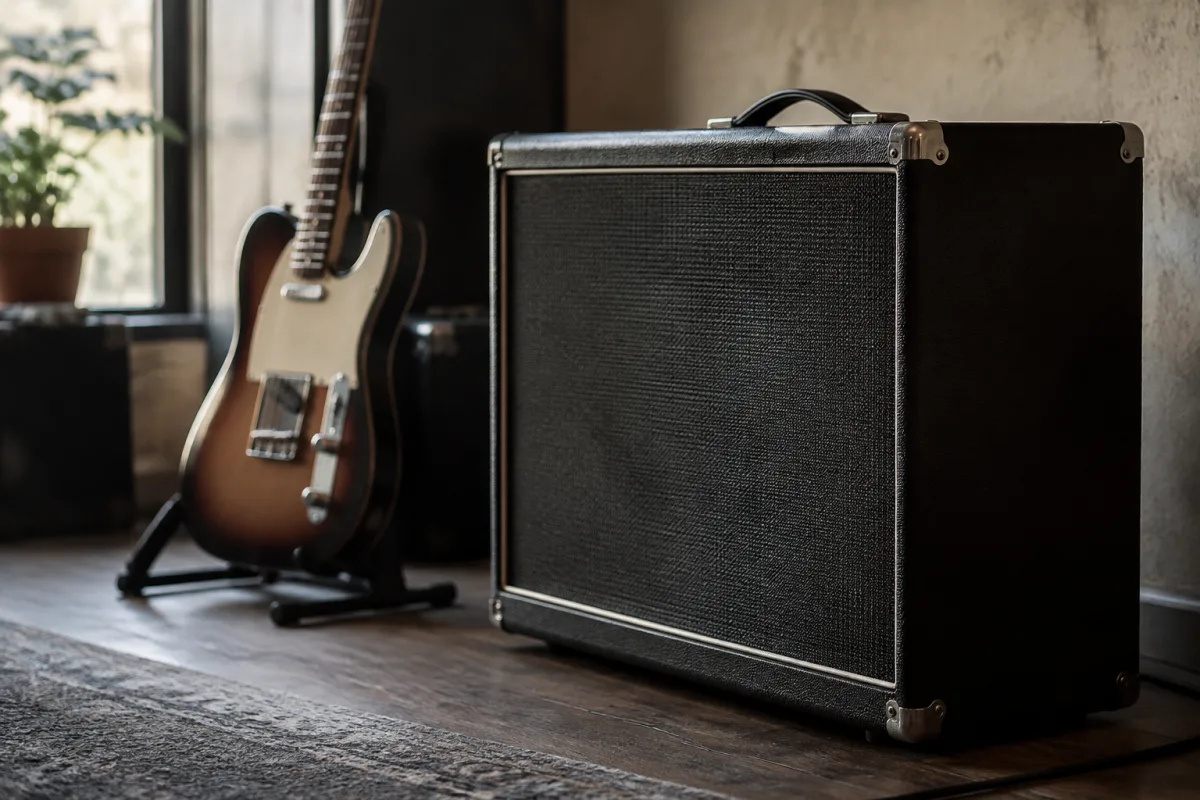
Choosing a guitar speaker or cabinet profoundly affects your tone. A quality speaker cabinet transforms good amplifiers into exceptional-sounding instruments; poor speakers undermine even premium equipment. For guitarists investing in amplifier heads without built-in speakers, selecting the right cabinet requires understanding impedance matching, speaker size variations, cabinet construction quality, and pricing across categories. This guide helps you identify a speaker cabinet serving your musical needs whilst avoiding common purchasing mistakes that compromise tone and damage equipment.
Understanding Impedance and Speaker Compatibility
Impedance—measured in ohms—represents electrical resistance. Guitar amplifier heads produce specific impedances (typically 8 ohms, 16 ohms, or variable), and speaker cabinets are designed for matching impedances. Mismatched impedance stresses the amplifier and degrades tone dramatically.
Your amplifier's manual specifies its minimum load impedance. Your cabinet must match this specification exactly. An amplifier designed for 8 ohms only connected to a 16-ohm cabinet operates improperly. Worse, connecting an amplifier to a cabinet rated for lower impedance than the amp provides overloads the amplifier potentially causing permanent damage.
Before purchasing any cabinet, clarify your amplifier's impedance requirements. This simple verification prevents catastrophic compatibility mistakes. If your amplifier head accepts multiple impedances (some modern heads feature switchable impedance), your purchasing flexibility expands dramatically.
Evaluating Speaker Size and Frequency Response
Speaker cones vary in diameter: 8 inches, 10 inches, 12 inches, and 15 inches are common. Smaller speakers (8 and 10 inches) produce brighter, more focused tones with faster response. Larger speakers (12 and 15 inches) produce warmer, darker tones with deeper bass extension.
Frequency response specifications indicate which pitches the speaker reproduces clearly. A cabinet with extended low-frequency response excels for bass or heavy music; a cabinet optimised for midrange clarity suits jazz or vintage tones.
Don't assume larger speakers automatically sound better. A 12-inch speaker optimised for your musical style often outperforms a 15-inch mismatched to your needs. Evaluate based on intended application—a heavy metal guitarist benefits from extended low end; a blues musician might prefer a smaller speaker's response characteristics.
Cabinet Construction and Materials
Cabinet construction quality dramatically affects durability and tone. Solid wood cabinets (usually birch or pine) provide superior construction compared to particleboard alternatives. Inspect internal bracing—solid, cross-braced interiors resist resonance and panel vibration undermining tone clarity.
Examine the cabinet's exterior finish and hardware quality. Tolex covering should be intact without tears or separation. Handles should feel robust and secure. Grill cloth should be taut without sagging. These details indicate overall construction quality predicting long-term durability.
Request information about baffle design. Open-back cabinets offer brighter, more spacious tone but less bass response. Closed-back designs provide tighter bass and louder projection. Semi-open designs offer compromise between these extremes. Cabinet design is as important as speaker choice.
Speaker Type and Driver Construction
Vintage-style paper-cone speakers produce characteristic warm, slightly soft tone. Modern ferrite magnet speakers offer controlled, predictable response. Alnico magnet speakers (rarer, more expensive) provide articulate, spongy breakup prized by vintage enthusiasts.
Speaker brand reputation within guitar circles matters. Renowned manufacturers like Celestion produce cabinets and speakers trusted for decades. Less-known manufacturers sometimes offer excellent value, but research their reliability and user experiences before committing.
Inquire about speaker break-in requirements. Some speakers require 10-20 hours of use before reaching their best tone. Understanding this prevents early disappointment during initial auditions.
Wattage Rating and Safety Considerations
Speaker cabinets carry wattage ratings (typically 25-200+ watts depending on configuration). Connect your amplifier only to cabinets rated for the amplifier's output or higher. An amplifier producing 50 watts requires a cabinet rated for at least 50 watts. Underpowered cabinets overheat and potentially fail catastrophically.
Conversely, connecting a low-wattage amplifier to an excessively high-wattage cabinet presents no safety risk (though you're overinvesting in unnecessary capacity). Prioritise safety over capacity maximisation.
Pricing Across Cabinet Types and Quality Levels
Guitar speaker cabinets vary dramatically in pricing based on construction quality and speaker selection:
- Budget cabinets (single 12-inch, basic construction): £250-£500. Entry-level options for bedroom players. Functional but with limitations in tone quality and durability.
- Mid-range cabinets (1x12 or 2x12 quality construction): £500-£1,200. Suitable for semi-professional gigging and serious home studios. Improved speaker quality and construction.
- Professional-quality cabinets (2x12 or larger with premium speakers): £1,000-£2,500. Tour-grade construction for professional musicians. Superior durability and tonal excellence.
- Vintage or specialised cabinets (rare configurations, boutique designs): £1,500-£5,000+. Collector's items and specialised configurations commanding premium pricing.
Match investment to realistic needs. A bedroom player doesn't benefit from tour-grade specifications; a touring musician needs durability justifying higher investment.
Common Purchasing Mistakes
Neglecting impedance matching: The most critical error. Mismatched impedance creates ugly tone and risks amplifier damage. Verify compatibility meticulously before purchasing.
Overinvesting in capacity: A bedroom guitarist doesn't need a 200-watt cabinet. Excessive wattage adds cost and weight without benefit. Match cabinet capacity to realistic requirements.
Purchasing without auditioning: Cabinet tone varies dramatically between models. Whenever possible, test before purchasing. Audio descriptions are imperfect; hands-on audition reveals whether a cabinet truly excites you.
Assuming new always means better: Vintage cabinets sometimes offer superior tone to new alternatives. Don't discount used equipment. Inspect carefully for damage, but vintage construction often exceeds modern budget alternatives.
Ignoring shipping realities: Speaker cabinets are heavy—typically 40-100 pounds. Shipping costs can reach £100-250, dramatically affecting total purchase price. Factor shipping into your budget before committing.
Overlooking ventilation needs: Cabinets generate heat during extended use. Ensure your cabinet receives adequate ventilation. Overheating speakers fail prematurely. Never block ventilation ports.
Where to Purchase and Support Considerations
Purchase from established guitar retailers offering return windows and warranty support. Authorised dealers ensure warranty validity and manufacturer support. Unauthorised sellers sometimes offer discounts but sacrifice post-purchase support.
Many retailers allow returns within 14-30 days. Use this window to audition cabinets in your actual setup with your actual amplifier. A cabinet perfect in a showroom might not suit your specific equipment. Extended trials prevent expensive mistakes.
Evaluating Your Actual Use Case
Clarify your actual needs before purchasing. Are you primarily recording? Gigging small venues? Large venues requiring projection? Studio monitoring? Each application prioritises different cabinet characteristics. Recording musicians might prefer smaller, more transparent cabinets. Touring musicians prioritise durability; bedroom players prioritise affordability.
Describing your workflow clearly guides purchasing decisions toward appropriate equipment rather than generic "best overall" recommendations that rarely optimise for individual needs.
For comprehensive information on guitar speaker specifications, cabinet design variations, and detailed model comparisons, explore the complete guide to guitar-to-speaker, which covers speaker technology in technical depth.
Your speaker cabinet investment should reflect genuine sonic needs and amplifier compatibility. By rigorously evaluating impedance, speaker size, cabinet construction, and pricing objectively, you'll identify a cabinet that transforms your amplifier's potential into satisfying, reliable performance for years of musical enjoyment.



Comments