


Ibanez Classical Guitars article
The Complete Guide to Ibanez Classical Guitars
Ibanez classical guitars bring modern precision to traditional nylon-string design. Explore their sound, playability, value and why they're excellent for classical learning.
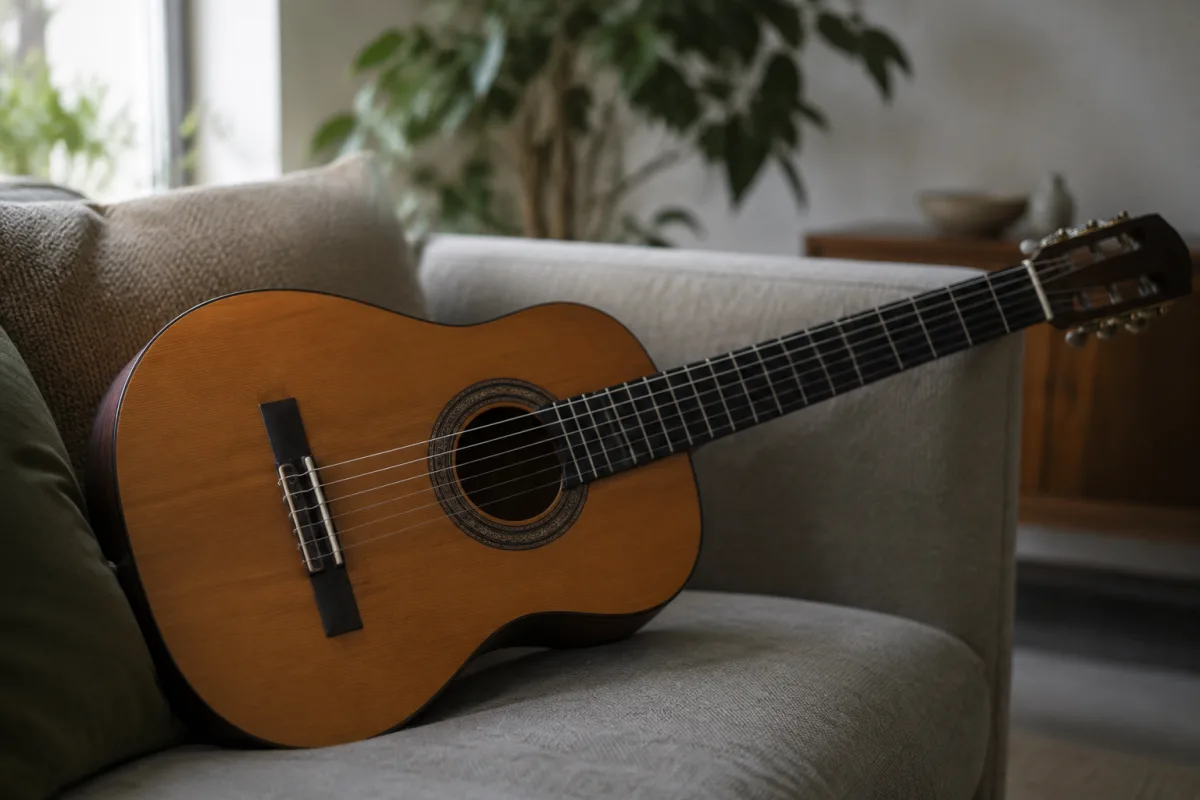
Ibanez, best known for their electric guitars and modern designs, has also produced classical guitars that challenge conventional thinking about traditional nylon-string instruments. Ibanez classical guitars represent an interesting fusion of contemporary manufacturing precision with classical guitar tradition. Whether you're a classical player exploring alternatives to Spanish instruments or an electric player interested in expanding your acoustic palette, Ibanez classical guitars offer distinctive character and often surprising value.
What Are Ibanez Classical Guitars?
Ibanez classical guitars are nylon-string instruments built on classical guitar traditions but with the modern precision and efficiency that Ibanez brings to all their instruments. Unlike traditional Spanish classical guitars, which emphasise handcrafted construction and vintage tone character, Ibanez classical models employ contemporary manufacturing, consistent quality control and often more affordable pricing. The result is a classical guitar that feels modern, plays smoothly and produces a clear, balanced tone without the investment required by fine handmade instruments.
Ibanez classical guitar range spans several tiers. Student and beginner models offer affordable entry into classical playing with decent tone and intonation. Intermediate models provide superior woods, better craftsmanship and enhanced sound for developing players. Professional models, whilst rare, deliver high-quality tone and construction suitable for serious classical players and performers. Across all tiers, Ibanez maintains consistent design philosophy: ergonomic playability, reliable intonation and modern precision.
Design and Construction
Ibanez classical guitars typically feature solid spruce tops and meranti, mahogany or walnut backs and sides—woods chosen for tonal balance and stability. The neck is usually mahogany with a rosewood fingerboard. Whilst these materials are standard for classical guitars, Ibanez's manufacturing ensures consistent quality; every instrument meets the same tolerances and specifications, eliminating the huge variation found in handmade instruments.
The body shape follows classical tradition—a rounded lower bout, deeper waist and wider upper bout—though some Ibanez models offer slightly slimmer waists for easier upper-fret access and contemporary players' ergonomic preferences. The overall aesthetic is modern yet respectful of classical tradition. Machine heads are typically chromed or gold-plated die-cast, reliable and easy to use. The frets are properly dressed and crowned, the nut and bridge are well-cut, and every instrument leaves the factory ready to play without setup adjustments.
Tone and Sound Character
Ibanez classical guitars produce a clear, balanced tone with a modern character—bright fundamentals, articulate treble strings and resonant bass notes. The solid spruce top responds beautifully to proper technique, and the bracing is engineered for optimal response across the frequency range. Compared to vintage Spanish instruments, Ibanez classical guitars sound more contemporary: less coloration, more clarity and definition, and a quicker response without excessive bloom or romantic warmth.
This modern sonic character suits a variety of playing styles. Contemporary classical composers and modern interpreters appreciate the clarity and precision. Folk and fingerstyle players enjoy the articulation and quick response. Players coming from electric or steel-string acoustic backgrounds find the tone accessible and forgiving. The instruments are responsive to dynamics and touch, rewarding players who invest time in technique refinement.
Playability and Ergonomics
Ibanez classical guitars are engineered for comfortable playing across different hand sizes and techniques. The string action is set appropriately at the factory—neither too high, which makes the instrument tiring to play, nor too low, which causes buzzing. The neck width at the nut is typically around 52mm, standard for classical instruments, and the fingerboard radius is appropriately flat for classical technique. Many players appreciate Ibanez's approach: a guitar that plays well out of the box without requiring expensive setups or modifications.
The slightly slimmer body waists on some Ibanez models improve upper-fret access compared to traditional dreadnought classical body shapes, a feature that benefits players with smaller hands or those coming from steel-string or electric backgrounds where upper-fret access is standard. The overall ergonomic approach is modern without compromising classical tradition.
Who Should Consider an Ibanez Classical Guitar?
Ibanez classical guitars suit several audiences. Students beginning classical study benefit from affordable, reliable instruments that won't frustrate them with poor intonation or inadequate tone. Developing classical players appreciate the consistent quality and smooth playability without premium pricing. Electric players exploring classical playing find Ibanez classical models accessible in price and ergonomic approach. Players wanting a modern classical guitar rather than a vintage or handmade instrument appreciate Ibanez's clarity, consistency and ease of use.
Conversely, if you're seeking a handmade, vintage-sounding classical guitar with romantic warmth and aged character, a high-end Spanish luthier's instrument is a more appropriate choice. Ibanez classical guitars excel as contemporary tools for learning and playing; they're less successful as vintage tonewoods or romantic-sounding traditional instruments.
Value and Affordability
Ibanez classical guitars offer excellent value compared to handmade Spanish instruments. Student models cost £150–300, intermediate models £400–800, and professional models £1,000–2,000 or more. Compare this to handmade Spanish classical guitars, where even student instruments start at £500–800 and professional instruments exceed £3,000–5,000. For many players, Ibanez classical guitars deliver satisfying tone and playability at a fraction of the cost of handmade alternatives, making them sensible choices for learning and developing classical technique.
Maintenance and Care
Ibanez classical guitars are wooden instruments requiring proper care. Maintain humidity levels between 45–55% in your playing environment to prevent cracking and warping. Store the guitar in a hard case when not in use, away from temperature extremes and direct sunlight. Have the instrument professionally serviced annually, particularly if you play several hours daily. Nylon strings require replacement more frequently than steel strings; change them every 3–6 months depending on playing hours and finger oils.
Conclusion
Ibanez classical guitars represent a modern approach to classical instrument design—precise manufacturing, contemporary materials and accessible pricing combined with respectful nods to classical tradition. They're ideal for students beginning classical study, developing players seeking reliable instruments without premium pricing, and contemporary players wanting clear, articulate tone and easy playability. While they don't offer the handcrafted romantic character of high-end Spanish instruments, Ibanez classical guitars succeed entirely as modern, affordable, and musically satisfying classical guitars suitable for learning, practising and performing at any level.


Comments