


Ibanez Classical Guitars Buying guide
Ibanez Classical Guitars: A Complete Buyer's Guide
Ibanez classical guitars are modern, playable, and well-made. This buying guide covers specs, price tiers and how to find the right Ibanez classical guitar for your needs.
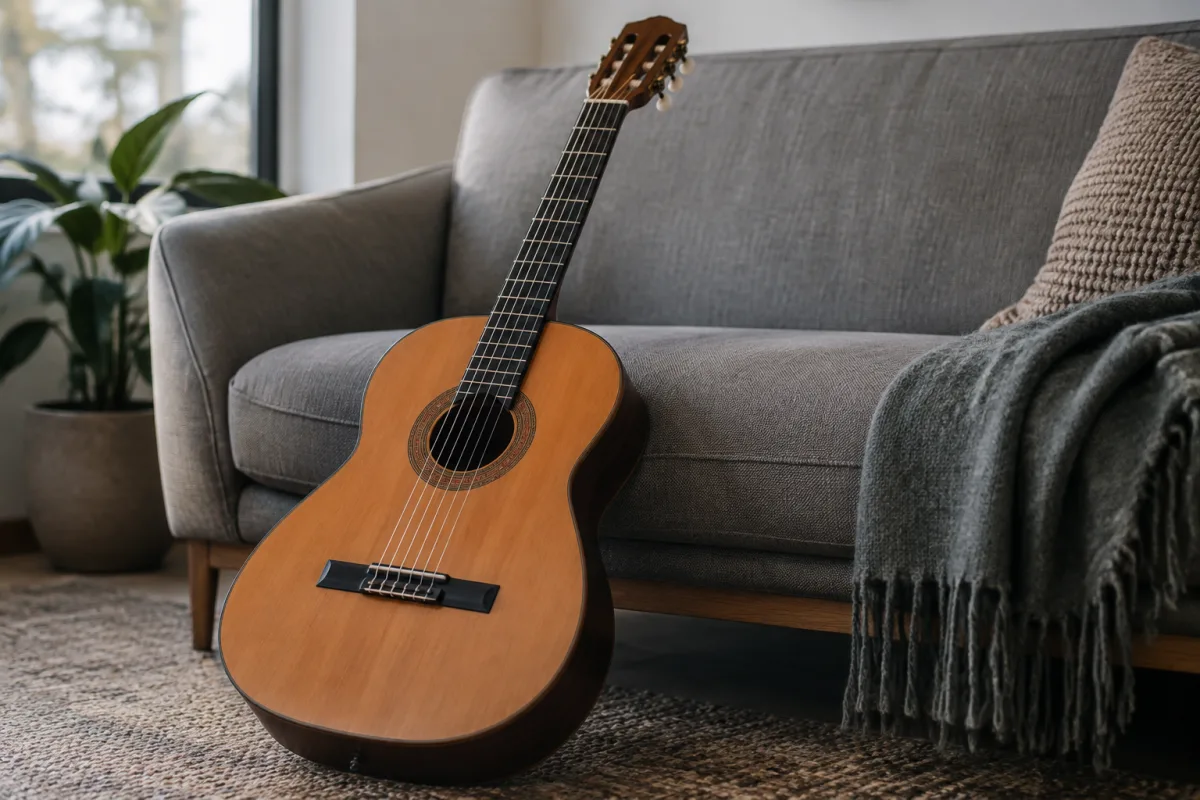
Ibanez classical guitars occupy an interesting middle ground. They're not the traditional choice—that honour belongs to Spanish makers like La Mancha or Yamaha—but they've earned serious respect for combining modern playability with warm classical tone. If you're considering an Ibanez classical guitar, you're looking at solid instruments that deliver value across a wide price range. This buying guide explains what makes Ibanez classical guitars distinctive, what specs matter, and which model suits your playing level and budget.
Why Choose an Ibanez Classical Guitar?
Ibanez classical guitars are known for three strengths: modern playability, consistent quality, and excellent value. They're not the luthier-made instruments that command £5,000+ prices, but they're not budget throwaway guitars either. Ibanez has spent decades perfecting classical guitar design, and it shows.
You'd choose Ibanez if:
- You want a modern classical design—narrower neck, lower action—rather than traditional thickness and height.
- You value consistent quality control across models and years.
- You prefer tone that's warm but modern rather than deeply traditional.
- You want excellent playability out of the box without setup work.
- You're serious about classical technique but don't want to pay luthier prices.
If you're learning classical repertoire seriously, an Ibanez is a genuine stepping stone—not entry-level, not professional, but genuinely capable middle ground.
What Makes Ibanez Classical Guitars Different
Compared to traditional Spanish makers, Ibanez classical guitars have:
- Narrower neck width: Traditional classical necks are around 52mm wide; Ibanez often makes them 48–50mm. This is easier on smaller hands without sacrificing tone.
- Lower action: While still higher than electric guitars, Ibanez classical action is lower than traditional guitars. This makes practising less exhausting without encouraging sloppy technique.
- Modern bracing patterns: Ibanez uses forward-thinking internal bracing to maximize resonance and projection. This means more volume and clarity than some traditional designs.
- Consistent setup: Every Ibanez ships ready to play. Traditional guitars sometimes need professional setup work out of the box.
These aren't improvements—they're different design priorities. Some purists prefer traditional thickness and wide necks. But for modern players learning classical technique, Ibanez's approach is genuinely practical.
Key Specs to Understand When Buying
Classical guitars have different considerations than other acoustic guitars:
- Nylon string compatibility: All Ibanez classical guitars use nylon strings (not steel, which would damage them). This is obvious but worth confirming—you can't switch to steel strings.
- Top wood (spruce or cedar): Spruce is bright and articulate; cedar is warm and complex. Ibanez uses both depending on price tier. Listen to demos to hear the difference.
- Back and side wood (rosewood, mahogany or palissander): Higher-priced models use premium woods. Entry-level models use laminate. The jump from laminate to solid wood is audible.
- Scale length (typically 650mm): Standard classical length. Some full-size models may vary slightly. For learning, 650mm is universal.
- Soundboard bracing: This internal pattern shapes tone significantly. Ibanez's fan-braced patterns are modern and efficient.
- Electronics (if applicable): Some Ibanez classical models include pickups for amplification. If you'll ever need to amplify, confirm the model has quality electronics.
Ibanez Classical Guitar Price Tiers
Ibanez structures their classical line clearly:
- £200–400 (entry-level, GA series): Budget-friendly, playable, suitable for beginners. Laminate back/sides means tone is acceptable but not warm. Build quality is solid for the price.
- £400–800 (intermediate, GC series): Real wood (solid spruce top, solid rosewood or mahogany back/sides), warm tone, better playability. Best value for serious learners.
- £800–1,500 (upper-intermediate, GA Artist series): Excellent tone, beautiful finishes, professional-grade build. Suitable for advanced amateurs and semi-professional players.
- £1,500+ (premium models): Competing with traditional luthiers in tone and build. Rare in the Ibanez line.
The sweet spot for serious classical learners is the GC series (£400–800). The jump from entry-level to intermediate in tone is dramatic.
Common Mistakes When Buying Ibanez Classical Guitars
Learn from others:
- Assuming all nylon-string guitars are interchangeable: They're not. A cheap laminate classical guitar sounds thin; a solid-wood Ibanez sounds warm and projecting. Don't confuse them.
- Buying based on appearance without hearing it first: Beautiful finish and design mean nothing if the tone doesn't inspire you. Listen to YouTube demos or hear it in person.
- Ignoring the neck width adjustment: If you have small hands, Ibanez's narrower necks are a real advantage. If you have large hands, test it to ensure comfort. Neck width matters for long practice sessions.
- Not investing in proper nylon strings: Cheap nylon strings sound dead. Buy good-quality strings (Aquila or D'Addario) and your tone improves dramatically. Strings matter as much as the instrument.
- Expecting classical guitar to sound like an electric guitar through amplification: Classical pickups are afterthoughts on most models. If amplification is important, you might want an electric classical instead. Test the electronics before buying.
- Underestimating the learning curve of classical technique: Ibanez guitars make learning easier, but classical technique itself is demanding. Budget for lessons. A good guitar helps, but technique comes from practice.
Ibanez vs. Other Classical Guitar Makers
How Ibanez stacks up:
- Ibanez: Modern design, excellent playability, consistent quality, great value.
- Yamaha: More traditional tone, excellent build, slightly higher prices. Safe choice.
- La Mancha: Spanish heritage, warmer tone, luthier-made quality at £1,000+. Premium pricing.
- Budget brands (Aria, Cort): Entry-level options cheaper than Ibanez. Playable but thinner tone.
For value and modern playability, Ibanez wins. For traditional Spanish tone, La Mancha wins but at much higher prices.
Your Buying Checklist
Before you buy an Ibanez classical guitar:
- Have you tested the neck width? Comfortable for your hand size?
- Does the tone appeal to you? Listen to YouTube demos for that specific model.
- Is it solid wood top at minimum? (Laminate is acceptable for entry-level only.)
- Is the action playable without buzz? Try it or ask about setup.
- What's the warranty, and can you try it before committing?
- Are you ready to invest in quality nylon strings and lessons?
If you tick those boxes, you're ready to buy with confidence.
Getting Started With Your Classical Guitar
Once you own your Ibanez, invest in a good nylon string set, a strap, and at least a few lessons to establish proper technique. Classical guitar is demanding but deeply rewarding. For a comprehensive look at Ibanez classical guitars, their full model range and classical guitar technique, explore the complete guide to Ibanez classical guitars.
An Ibanez classical guitar is a genuine instrument capable of beautiful music. Choose wisely and you'll play it for decades.


Comments