


Sterling Guitars article
The Complete Guide to Sterling Guitars
Sterling guitars offer professional-quality bass instruments at affordable prices. Inheriting Music Man's design expertise, these reliable instruments provide exceptional value for learning and gigging musicians.
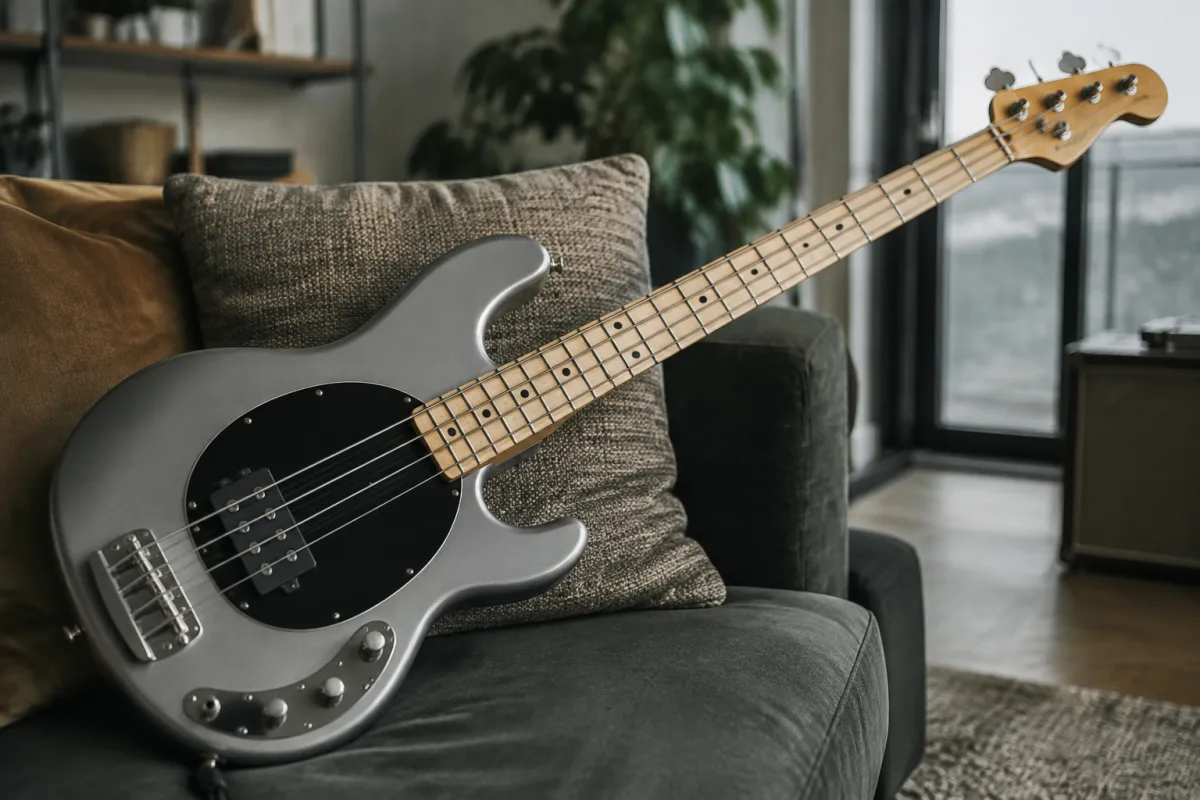
For guitarists seeking affordable, quality bass guitars, Sterling guitars offer genuine value without sacrificing playability or tone. As a subsidiary of Music Man, Sterling guitars inherit professional design expertise whilst keeping prices accessible for budget-conscious players. Whether you're shopping for your first bass or upgrading from a budget starter, Sterling guitars deserve serious consideration.
Sterling Guitars History and Heritage
Sterling guitars emerged as Music Man's affordable brand in the 1990s, designed to deliver the professional quality and design philosophy of higher-end models at accessible prices. The brand succeeded by refusing to compromise on fundamental playability and build quality whilst streamlining manufacturing costs. Today, Sterling guitars remain one of the most respected budget-to-mid-range bass brands available.
The design lineage matters: every Sterling guitar benefits from decades of Music Man's professional experience. This heritage shows in thoughtful component choices, ergonomic design and construction quality that rivals instruments costing twice as much.
Sterling Guitars Model Range
The primary Sterling guitars line includes several core models targeting different player needs:
- StingRay Ray4: The entry-level StingRay, offering the iconic Music Man single-pickup design with modern playability.
- StingRay Ray5: Five-string variant of the Ray4, providing extended range for advanced players and modern musical styles.
- SUB Series: Ultra-affordable Sterling guitars maintaining core design principles. Excellent for learning and budget-conscious professionals.
- Cutlass: Alternative body shape offering different aesthetics and slightly different tonal character. Less common but equally respected quality.
- AX Series: Modern design with contemporary features, aimed at players seeking different aesthetics than the traditional StingRay shape.
Quality and Playability
Sterling guitars consistently deliver professional-quality playability. Build quality control is rigorous, with tight specifications on fretwork, action and hardware. Most players report that these instruments require minimal setup out of the box, arriving ready to play professionally.
The necks on Sterling guitars are particularly notable — comfortable, fast and durable. Fret work is clean, and action heights arrive properly set. These details matter enormously for new players developing technique, as poor playability creates frustration and slows progress.
Tonal Character
Sterling guitars employ the Music Man single-pickup design — typically a powerful humbucker positioned near the bridge. This configuration delivers punchy, articulate bass tone with natural growl across the frequency spectrum. The tone suits rock, funk and metal equally well, making Sterling guitars remarkably versatile.
Through your amplifier, Sterling guitars cut through mixes and sit well in band contexts. The tonal clarity suits both aggressive and subtle playing approaches, earning the design widespread professional adoption.
Specifications and Components
Materials and components on Sterling guitars represent good value engineering:
| Feature | Sterling Guitars Typical Spec | Comparison to Budget Alternatives |
|---|---|---|
| Body wood | Alder, lightweight and resonant | Some budget basses use poplar or plywood; Sterling commits to solid hardwood |
| Neck wood | Maple with rosewood fretboard | Quality comparable to higher-end basses; better than most budget competitors |
| Pickup | Music Man designed humbucker | Professional-quality design; outperforms generic budget pickups significantly |
| Hardware | Quality Schaller or similar tuners and bridge | Reliable, stable hardware superior to bottom-tier specifications |
| Electronics | Simple, clean passive circuit | Limited control options but reliable; less adventurous than some competitors |
Price Positioning
Sterling guitars typically cost £250–500 depending on model and specifications. This positioning places them squarely in the budget-to-mid-range category, offering:
- Significantly better quality and playability than starter basses under £150
- Professional-quality components without the premium boutique brand markup
- Reliable resale value in the used market
- Professional capability suitable for gigging musicians
For players willing to invest modestly, Sterling guitars represent exceptional value.
Common Models and Recommendations
The Ray4 remains the most popular Sterling guitar, offering the iconic StingRay tone and playability at accessible cost. New players often choose the Ray4 for learning fundamentals; professionals keep one as a reliable backup instrument.
The SUB Series provides an entry point for those with tighter budgets, sacrificing some cosmetic details and pickup refinement whilst maintaining the core design's playability and tonal character.
Five-string variants suit players exploring extended-range playing or modern musical styles where low B strings are standard.
Modifications and Upgrades
Most Sterling guitars benefit from minor modifications enhancing their capability:
- Pickup upgrades: Swapping the stock Music Man pickup for a boutique alternative raises tonal character and dynamics. Quality upgrades cost £80–150.
- Bridge replacement: Upgrading to a precision bridge improves sustain and tuning stability slightly. Reasonable cost for noticeable benefit.
- Electronics refinement: Adding active electronics (preamp) expands tonal palette. Optional but worthwhile for players seeking versatility.
- Setup optimization: Professional setup costing £40–60 optimises action and intonation to personal preference.
Comparing Sterling Guitars to Alternatives
How do Sterling guitars stack up against direct competitors?
- vs Ibanez SR Series: Ibanez offers different ergonomics and contemporary aesthetics. Both brands deliver excellent playability; the choice depends on personal preference and tonal direction.
- vs Yamaha TRBX: Yamaha focuses on modern design and active electronics. Sterling emphasizes classic tone and simplicity. Equally professional but different philosophies.
- vs Fender Squier: Squier offers different tonal character and wider aesthetic variety. Sterling typically commands better build quality and consistency.
Durability and Longevity
Sterling guitars prove durable instruments with proper care. Hardware remains reliable through years of use. Finishes hold up well to stage and studio abuse. Frets maintain playability for many years before requiring professional dressing. These instruments reward musicians who maintain them properly, lasting decades without major issues.
Conclusion
Sterling guitars offer professional-quality bass instruments at prices accessible to learning and budget-conscious musicians. The Music Man design heritage ensures thoughtful engineering, playability and tonal character that outperforms many instruments costing considerably more. Whether choosing your first bass or seeking a dependable backup instrument, Sterling guitars deserve serious consideration as an intelligent purchase offering genuine long-term value.


Comments