


Sterling Guitars Buying guide
Sterling Guitars: A Complete Buyer's Guide
Sterling guitars offer exceptional value and playability in the mid-market. This buyer's guide helps you choose the right model and understand what you're actually investing in.
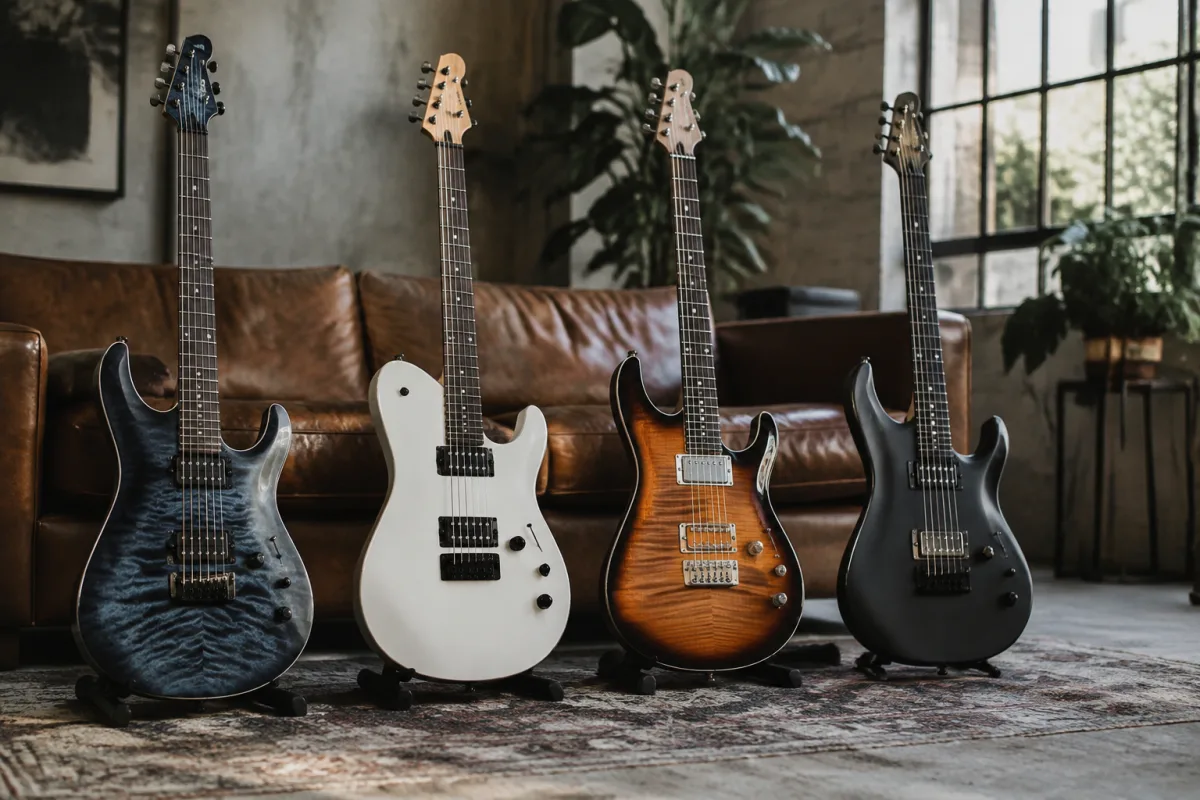
Sterling guitars represent a smart middle path in the electric guitar market. Owned by Music Man, Sterling maintains the quality-obsessed design philosophy of its parent company whilst keeping prices accessible. If you're shopping for a Sterling guitar, you're considering an instrument that punches above its price tag without requiring a second mortgage. Understanding what distinguishes different Sterling guitar models and what actually matters when making your purchase will help you choose an instrument you'll genuinely enjoy playing for years.
What You're Actually Buying With Sterling Guitars
Sterling guitars inherit Music Man's reputation for meticulous engineering and playability. The company doesn't cut corners on the fundamentals—wood quality, hardware, electronics, and setup precision. A Sterling guitar might cost half what you'd spend on a high-end Music Man, but you're not getting a watered-down version of the design. You're getting a guitar designed specifically for value-conscious musicians who refuse to compromise on quality.
This philosophy shows in how Sterling guitars feel in your hands. The neck is finished properly, the frets are dressed precisely, and the action is set thoughtfully from the factory. Many guitars at Sterling's price point arrive unplayable, requiring setup work. Sterling guitars are playable immediately, which matters enormously when you're making your purchase decision.
Sterling Guitar Model Categories
| Model Type | Typical Price | Best For | Key Characteristics |
|---|---|---|---|
| Sub Series | £300–£500 | Entry-level players, budget-conscious buyers, beginners | Solid bodies, straightforward electronics, excellent value |
| StingRay Series | £500–£900 | Intermediate to advanced players, professional work | Semi-hollow or solid bodies, refined tone, more finish options |
| Axis Series | £600–£1000 | Serious players, recording professionals, touring musicians | Premium pickups, versatile electronics, professional-grade construction |
| Limited Editions | £800–£1200 | Collectors, players seeking unique instruments, tone enthusiasts | Special finishes, exclusive pickup combinations, boutique features |
Key Specifications When Choosing Sterling Guitars
Body wood affects tone character and visual presence. Sterling guitars use various woods depending on the model. Ash bodies are traditional and provide crisp tone. Mahogany bodies are warm. Figured maple tops look gorgeous but cost more. The choice matters less than consistency—most Sterling guitars deliver coherent tone regardless. Don't obsess over wood selection; worry more about finish quality and how the guitar feels balanced on your shoulder.
Pickup configuration defines what a Sterling guitar can actually do musically. Single-coil pickups provide clarity and bright character—ideal for rock and funk. Humbucker pickups deliver warm, thick tone—perfect for blues and rock. Many Sterling guitars offer coil-splitting options that let you switch between single-coil and humbucker character within one pickup. This versatility matters if you play multiple genres or want flexibility without owning multiple instruments.
Hardware quality in Sterling guitars is notably good for the price. The tuning machines hold tuning reliably. The bridge doesn't buzz or resonate sympathetically. These details sound trivial until you own a guitar where they're wrong. Sterling guitars avoid this pitfall—the hardware serves the guitar rather than frustrating the player.
Playability Considerations Specific to Sterling Guitars
Sterling guitars typically come with neck profiles that suit most hand sizes reasonably well. The radius is moderate, making bending comfortable without sacrificing stability for open position work. The nut width is traditional—not too wide, not too narrow. These thoughtful defaults mean Sterling guitars are comfortable for nearly any player without requiring expensive nut replacement or truss rod adjustment.
The action from the factory is set responsibly. You can play immediately without the buzz and fret-sprout that plagues cheap guitars. That said, all guitars benefit from personal setup refinement. After purchasing your Sterling guitar, spend £30–£60 with a technician for a complete setup matched to your playing style and preferences. This transforms any guitar from good to brilliant.
Price-to-Value Analysis: Are Sterling Guitars Worth It?
At the budget end, Sterling guitars compete favourably against entry-level Squiers and Epiphones. You're getting noticeably better construction and hardware for comparable or slightly higher cost. If you're buying a first guitar and want something that won't frustrate you through poor playability, a Sterling guitar in the Sub series makes genuine sense.
In the mid-range, Sterling guitars face competition from used American Fenders and higher-end Squiers. A new Sterling StingRay costs less than a used vintage-spec Fender but delivers equal or superior playability and electronics. This is where Sterling guitars shine most obviously—you're getting professional-quality instrument at beginner prices because the brand doesn't command the same nostalgia premium as Fender or Gibson.
Pitfalls to Avoid When Buying Sterling Guitars
Don't assume cheaper Sterling guitars are inferior to expensive ones. The Sub series represents genuinely excellent value. You're not getting features that expensive models have, but you're getting the same design philosophy and construction quality. The difference between a £350 Sub and a £800 StingRay is features, cosmetics, and flexibility—not fundamental build quality.
Avoid buying purely for appearance without auditioning sound and playability. Sterling guitars are available in gorgeous finishes, but a beautiful guitar that doesn't inspire you musically isn't useful. Prioritise how the guitar feels in your hands and how it responds to your playing over colour choices.
Don't overlook the used market. Sterling guitars hold value reasonably well, and used models from five years ago are still excellent instruments. You can often find used Sterling guitars 30–40% below new retail. A well-maintained used Sterling guitar is typically better value than a new budget-brand alternative.
Beware of heavily modified Sterling guitars in the used market. Aftermarket pickups, bridge changes, and electronics modifications might be upgrades or might represent problems with the original guitar. Buy stock Sterling guitars or expect to pay less because upgrades may not suit your playing style.
Electronics and Versatility
Most Sterling guitars offer straightforward electronics—volume and tone controls with pickup selection. Some models add coil-splitting or phase-switching for extended tonal palette. These features are useful but not essential. A Sterling guitar with simple electronics will serve most players excellently. Don't overpay for complex switching you won't use regularly.
The pickup quality in Sterling guitars suits studio recording and live playing equally well. They're not specialised for one context or another, making them excellent working guitars. If you need something extremely specialised—ultra-high-gain metal or vintage-correct 1950s tone—you might outgrow a Sterling guitar eventually. For 95% of players and playing styles, Sterling guitars provide lasting satisfaction.
Making Your Sterling Guitars Purchase
Identify which price tier suits your actual needs and budget. Test as many Sterling guitars as possible—feel how they balance, how the neck profile suits your hand, how the pickups respond to your touch. Don't buy based on online reviews alone; your own hands and ears matter most. Negotiate tactfully—most shops offer modest discounts on Sterling guitars, especially if you're buying with cash or discussing trade-in value.
Factor in setup costs to your total purchase budget. A pro setup worth £50 transforms any guitar. Plan to own your Sterling guitar for years—if you do, the initial purchase price matters far less than long-term satisfaction and reliability.
For comprehensive exploration of Sterling guitar history, professional applications, and advanced customisation options, see our complete guide to Sterling guitars. That resource covers the full model range and professional use cases beyond the buying decision.
A Sterling guitar is a genuinely smart purchase. You're investing in quality construction, thoughtful design, and an instrument that will reward you musically for years. That's more than most guitar purchases at any price point can promise.



Comments