


Oasis Guitars article
The Complete Guide to Oasis Guitars
Oasis guitars were classically simple—Gibson Les Paul, Fender Telecaster, Marshall amps—proof that great songwriting and genuine talent transcend equipment. Understanding Oasis guitars reveals why gear obsession matters less than musicianship and conviction.
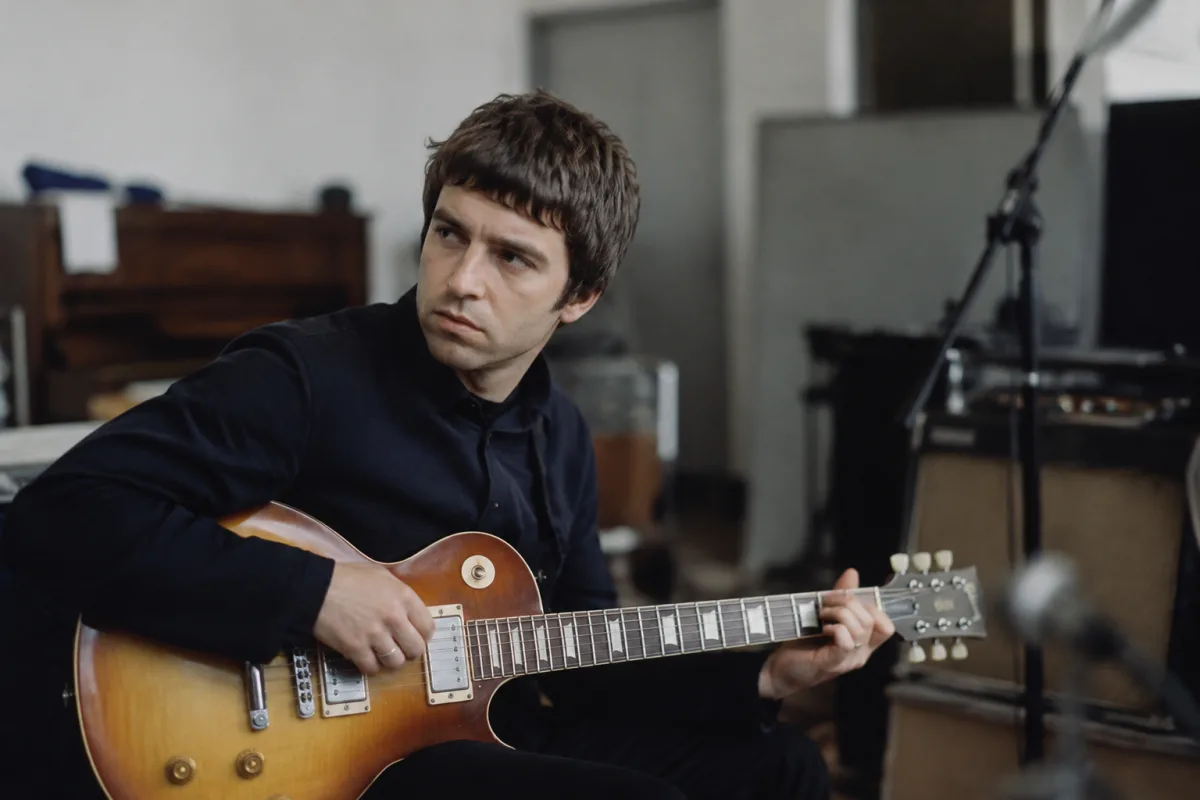
If you've ever wanted to play like Noel Gallagher or Liam Gallagher, understanding the gear they chose matters. Oasis guitars weren't exotic or experimental—the band's essential character came from how Noel and Liam played, not what they played through. Yet understanding Oasis guitars reveals interesting truths about how seemingly ordinary instrument choices, amplified through genuine conviction and talent, became iconic. For players inspired by Britpop's raw energy, examining what Oasis actually played is illuminating.
Noel Gallagher's Guitar Arsenal
Noel Gallagher's primary Oasis guitar was a Gibson Les Paul, the same model thousands of rockers have played since 1952. What mattered wasn't the guitar's exclusivity—it was Noel's unerring sense of melody and his ability to craft guitar lines that were simultaneously riff-driven and harmonically sophisticated. The Les Paul's warm, thick tone suited his approach perfectly, giving his compositions the substance they demanded.
Noel's use of a Gibson Les Paul for rhythm work was unconventional at the time. Throughout the 1990s, rhythm guitarists were turning to lighter guitars and more precise tones. Noel chose weight and warmth, using that heavy tone as foundation for his melodic sensibility. This choice influenced countless players to reconsider what rhythm guitar could be—not just accompaniment but equally important to lead work.
For his acoustic work, Noel used various quality acoustic guitars, including Epiphone acoustics at times. The acoustic arrangements in Oasis songs demonstrated that Noel's gift for melody transcended the guitar type. His fingerpicking arrangements on tracks like "Wonderwall" proved that the guitarist matters far more than the specific Oasis guitar being played.
Liam Gallagher's Approach to Guitars
Liam Gallagher was primarily a vocalist, not a guitarist. His occasional strumming on acoustic guitars served his voice rather than showcasing instrumental ability. This decision reflected Oasis's actual dynamic—Noel wrote the songs, arranged the guitars, and played lead parts. Liam was the voice that delivered attitude and immediacy. This division of labour proved ideal: Noel could focus on increasingly sophisticated compositions whilst Liam provided unfiltered vocal conviction.
When Liam occasionally played Oasis guitars for acoustic performances, he chose straightforward instruments that didn't demand technical ability. This wasn't a limitation—it was honesty. Oasis never pretended Liam was a virtuoso guitarist. His value was elsewhere, and Oasis became stronger through clarity about where each member's strengths actually lay.
The Rhythm Section's Instrument Choices
Paul "Bonehead" Arthurs played rhythm guitar, primarily using a Fender Telecaster for much of Oasis's peak period. The Telecaster's bright, cutting tone complemented Noel's thicker Les Paul perfectly. Rhythm and lead guitars needed to sit in separate frequency ranges; Bonehead's Telecaster bite and Noel's Les Paul warmth created sonic space that made both instruments clear even in dense arrangements.
Bass player Paul "Guigsy" McGuigan chose Fender Precision Bass—another classic, unadorned choice. The P-Bass's straightforward approach to tone suited Oasis's philosophy: genuine musicianship over equipment fetishism. Guigsy's steady, driving bass lines gave Oasis songs the foundation they needed, without drawing attention to the bass as lead instrument.
Drummer Alan White used standard drum kits—nothing exotic. The choice of drums mattered far less than White's solid, driving playing. Oasis's rhythm section wasn't trying to be flashy; they were trying to lock together and provide unstoppable momentum. This focus on functionality over flash defined Oasis's gear philosophy.
The Philosophy Behind Oasis Guitars
Oasis famously rejected excessive gear experimentation. Whilst contemporary bands obsessed over rare vintage amplifiers and boutique pedals, Oasis used relatively straightforward equipment. A Gibson Les Paul through a Marshall amplifier was good enough for Noel. Classic Fender through a simple setup worked for Bonehead. This wasn't limitation—it was principle.
The philosophy underlying Oasis guitars was that great songs and genuine musicianship transcend gear. A mediocre player with expensive equipment still sounds mediocre. A great player with basic Oasis guitars sounds great. Oasis embodied this belief consistently, proving that mystique around equipment was partly marketing and partly insecurity.
This approach influenced a generation of players. If Noel Gallagher could write timeless songs on a Gibson Les Paul without exotic effects or rare amplifiers, maybe gear obsession wasn't essential. Oasis guitars demonstrated that focus on songwriting and playing ability mattered more than chasing expensive equipment.
Modern Players Influenced by Oasis Guitars
Contemporary guitarists inspired by Oasis frequently gravitate toward Gibson Les Pauls and Fender Telecasters—the same instruments Noel and Bonehead played. These guitars experienced a renaissance partly through Oasis's example. A Gibson Les Paul purchase in the 1990s was partly about tone and partly about channelling Noel's aesthetic.
This ripple effect extended beyond specific guitars to the instruments' role in rock music. Oasis proved that glamorous equipment wasn't essential for glamorous results. Straightforward instruments played with conviction and melodic sensibility could define a generation. This democratisation of guitar culture—showing that famous players didn't require exotic gear—influenced how younger musicians approached equipment choices.
Recreating Oasis Tones on Modern Guitars
If you want to play Oasis songs authentically, a Gibson Les Paul and Fender Telecaster combination is ideal but not essential. What matters is understanding what made Oasis guitars work: Les Paul warmth for melody and harmonic work, Telecaster brightness for rhythmic clarity. Any guitars capturing these tonal characteristics will work.
Modern players often find vintage Oasis guitars (actual instruments from that era) prohibitively expensive. Contemporary Gibson Les Pauls and Epiphone Sheraton (semi-hollow alternative) provide similar tones affordably. Fender Player or Performer Telecasters deliver Bonehead's bright tone without vintage prices. Focus on understanding the tonal characteristics Oasis valued rather than obsessing over exact models.
Amplification and Effects
Oasis used Marshall amplifiers, particularly 1959 models—powerful, warm, and fundamental to classic rock tone. No fancy modelling or digital effects; just a guitar plugged directly into a marshall. This straightforward signal chain proved essential to Oasis's sound. The guitar and amplifier's interaction created the band's tone, not layers of processing.
This approach—minimal effects, focus on guitar and amplifier tone—remains influential. Many contemporary players have rejected excess effects chains, returning to simpler setups inspired by Oasis's example. The band proved that effects weren't necessary for great rock music.
Conclusion
Oasis guitars weren't revolutionary or exotic—they were classic instruments played with genuine talent and singular vision. Noel Gallagher's Gibson Les Paul and Bonehead's Fender Telecaster became iconic not because of any inherent superiority but because those players understood what great rock music needed and delivered it with conviction. For players inspired by Oasis, the lesson isn't to chase specific Oasis guitars but to understand that great musicianship transcends equipment, and genuine songs matter more than gear obsession.



Comments