


Gretsch Acoustic Guitars article
The Complete Guide to Gretsch Acoustic Guitars
Gretsch acoustic guitars combine vintage aesthetics with bright, cutting tones that appeal to folk, country and alternative musicians seeking distinctive character.
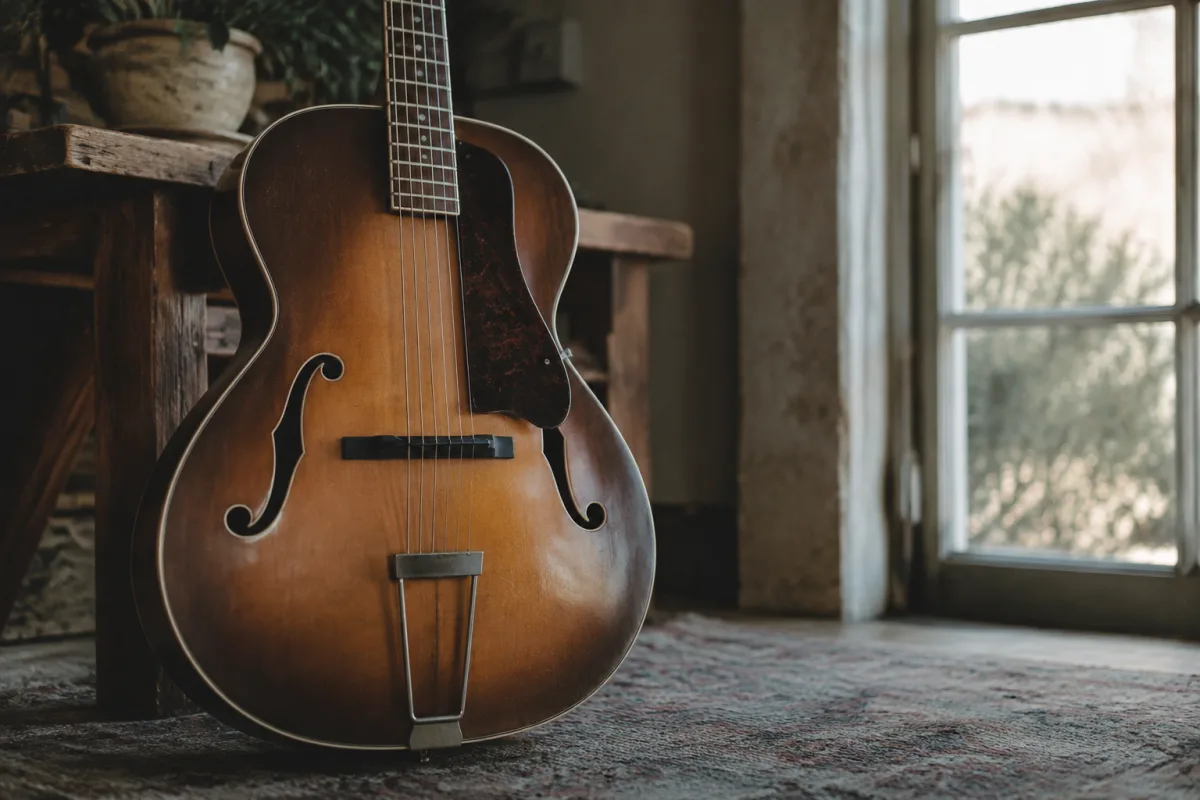
Gretsch acoustic guitars occupy a distinctive place in the world of acoustic instruments, blending vintage design sensibilities with modern craftsmanship. If you’re considering investing in one, you’re looking at instruments that have earned respect among folk, country, and alternative musicians for decades. This guide explores what makes these guitars unique and helps you understand whether a Gretsch acoustic guitar is right for you.
A Brief History
The Gretsch company, founded in 1883, initially built drums and banjos before expanding into electric and acoustic guitars. The acoustic models emerged during the mid-twentieth century and quickly established themselves as instruments with character and personality. The brand’s distinctive aesthetic draws from American craftsmanship traditions, and this heritage remains evident in modern Gretsch acoustic guitars.
The golden era spanned the 1950s and 1960s, when these guitars were played by session musicians and touring artists alike. Though Gretsch never achieved the market dominance of competitors like Martin or Gibson, the company maintained a loyal following among players who appreciated the unique tonal qualities of their instruments.
Distinctive Design Features
These guitars are immediately recognisable by several signature design elements. The classic aesthetic includes characterful headstock designs, often featuring the iconic Gretsch logo and distinctive tuning peg arrangements. These visual markers have become synonymous with the brand’s identity.
The body shapes and finishes reflect the company’s attention to vintage-inspired design. Many models feature warm, gloss finishes in colours like sunburst or natural wood tones. The bracing patterns inside emphasise resonance and sustain, contributing to the bright yet warm tone for which Gretsch acoustic guitars are known.
Tonal Characteristics and Sound Profile
One of the most appealing aspects of these instruments is their distinctive sonic character. Gretsch acoustic guitars typically produce a bright, cutting tone that projects well in ensemble settings. The midrange clarity makes them particularly suitable for fingerpicking patterns and strumming techniques alike.
The vintage construction methods employed in many models contribute to their warm, woody character. Players often describe the sound as having vintage charm without sacrificing modern playability. This balance appeals to musicians seeking instruments with personality and presence.
Modern Model Families
Today’s Gretsch acoustic guitars line includes several distinct families:
- USA Custom Shop models – handcrafted instruments representing the pinnacle of quality, built to exacting specifications
- USA Professional series – premium instruments featuring superior tonewood selection and traditional construction methods
- Electromatic line – more affordable options that maintain design identity whilst improving accessibility
- Vintage Collection – reissues of classic designs from earlier decades
Each series serves different player needs and budgets, though all maintain the brand’s commitment to distinctive aesthetic and tonal character.
Comparing to Competitors
These guitars occupy an interesting market position. They sit between volume-leader brands like Fender and Yamaha on one side, and ultra-premium boutique makers on the other. This positioning means Gretsch acoustic guitars often appeal to players seeking distinctive character without extreme price tags.
Compared to Martin acoustic guitars, they typically favour brighter tones and contemporary design. Compared to Gibson acoustics, they tend toward a more vintage aesthetic whilst remaining playable and practical. This middle ground attracts musicians who value individuality and tonal personality.
Playability and Comfort Considerations
These instruments generally feature moderate body depths and widths, making them comfortable for extended playing sessions. The neck profiles on most models balance comfort with fast playing, neither too thin nor unnecessarily chunky. Action and intonation on well-maintained examples prove reliable across the fretboard.
The strap button placement reflects practical consideration for standing performance. Players report that these guitars feel balanced and manageable whether seated or standing, contributing to their popularity among touring musicians.
Investment Value and Longevity
Gretsch acoustic guitars, particularly vintage models and USA-made instruments, have demonstrated solid resale value. Unlike some brands that depreciate severely, well-maintained examples often hold their value reasonably well. This durability of market value, combined with their reliable construction, makes them sensible long-term investments.
The use of quality tonewoods and traditional construction methods means that vintage instruments continue to improve with age. Players seeking guitars that develop character over time appreciate this quality in Gretsch acoustic guitars.
Finding the Right Model for You
Choosing the right instrument depends on several factors. Consider your budget, intended use, and tonal preferences. If you favour bright, cutting tones and distinctive vintage aesthetics, these models warrant serious consideration. Test-play several guitars if possible—the difference between body sizes and construction approaches significantly impacts how an instrument feels and sounds.
Factor in whether you need built-in electronics for amplification. Many modern examples include optional pickup systems, whilst others remain pure acoustic instruments. Consider your performance contexts when deciding whether this feature matters.
Gretsch acoustic guitars reward patient evaluation and consideration. They possess genuine character and appeal to musicians who value distinctive voice over commodity-brand reliability. Whether you’re exploring your first serious acoustic guitar or adding to an established collection, these instruments merit your attention as worthy of respect and regular use.


Comments