


Gretsch Acoustic Guitars Buying guide
Gretsch Acoustic Guitars: A Complete Buyer's Guide
Gretsch acoustic guitars offer distinctive warm tone and vintage character. This guide covers what to check when buying, price tiers, and which players benefit most.
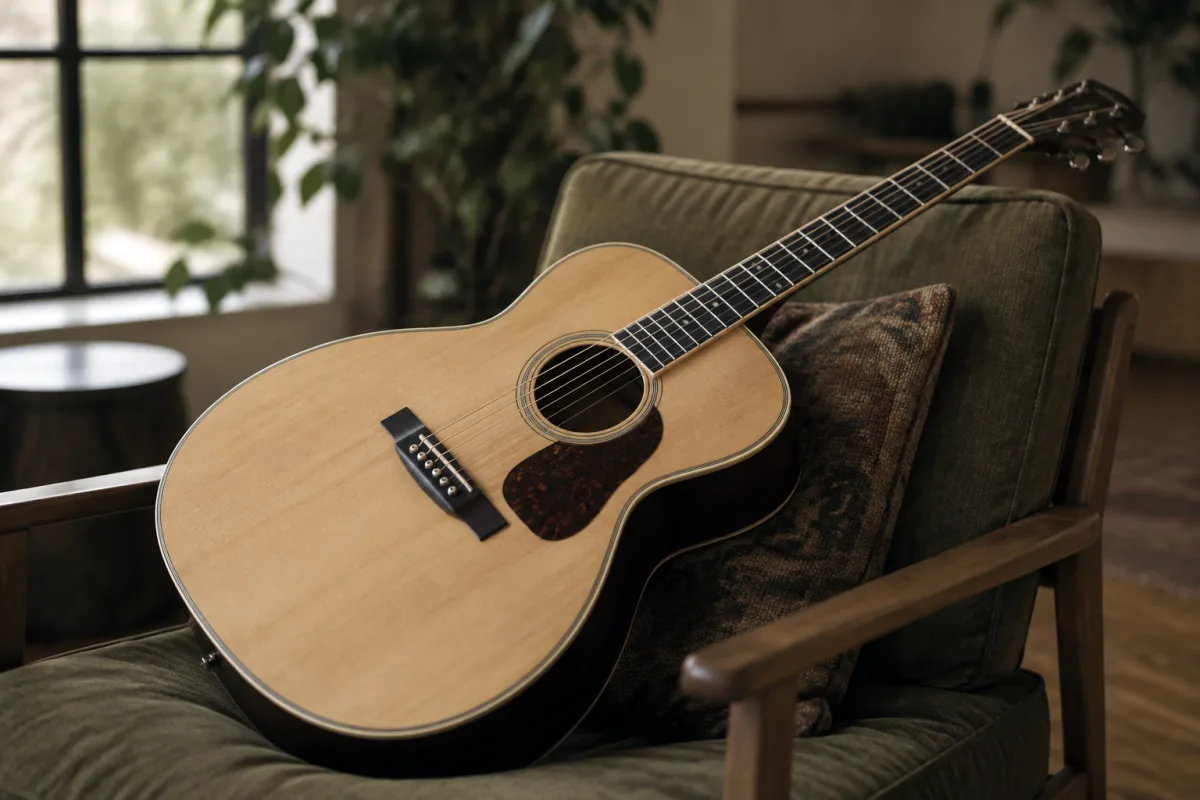
These instruments occupy a distinctive corner of the acoustic market—known for warmth, character, and a vintage-inspired aesthetic that appeals to players seeking something beyond the mainstream. This buying guide cuts through the hype and helps you evaluate them on actual playability, value, and fit for your needs.
What Makes Gretsch Acoustic Guitars Different
Gretsch acoustic guitars are typically known for their warm, woody tone and substantial body designs. Unlike many competitor brands that prioritise brightness and projection, Gretsch favours depth and tonal character. This suits fingerstyle and jazz players; it may feel less cutting for high-volume rock settings.
Key Models and Price Tiers
Budget (£200–£400)
Entry-level options like the G9500 Jim Dandy offer authentic Gretsch character at modest cost. These are solid learner instruments with playable action and decent intonation. They won't compete with pricier acoustics in tonal refinement, but they're genuinely musical.
Mid-Range (£400–£900)
Mid-tier options include the G9240 Alligator and G9201 Honey Dipper. These offer better materials, more refined construction, and noticeably superior tone compared to budget models. Most serious amateurs and semi-pros play in this tier.
Premium (£900+)
Higher-end models feature solid wood tops, premium appointments, and boutique construction. These appeal to collectors and professionals seeking signature Gretsch character in a refined package.
What to Check When Buying
Body Shape and Comfort
Gretsch acoustic guitars often use larger bodies than competitors. Try one sitting down—does it balance comfortably on your leg? Does the upper bout sit nicely for access to higher frets? Larger bodies suit some players; others find them cumbersome. Physical fit matters more than specs.
Top Material
Budget and mid-range options typically use laminated spruce or mahogany tops. Solid tops (found on higher-end models) offer richer tone and age gracefully. Laminate tops are more durable and resistant to humidity damage—a practical consideration for gigging musicians.
Action and Playability
Even quality instruments sometimes arrive with higher action than needed. Budget £30–£80 for professional setup—proper bridge sanding and nut work make an enormous difference. Factory setup is often minimal.
Tone Character
Play a variety of models side by side. Some emphasise low-end warmth; others lean bright. Neither is wrong—pick what resonates with your ears and playing style. Recording or listening to clips online beforehand helps clarify your preference.
Common Pitfalls
- Assuming all models sound the same. They don't. Individual variation between instruments is substantial, especially in vintage or semi-handmade options.
- Ignoring the importance of setup. A poorly set-up instrument sounds frustrating. Budget for professional fret levelling and action adjustment at purchase.
- Buying oversized expecting it to sound louder. These are known for warmth rather than volume. If you need maximum projection, a dreadnought from another brand may suit better.
- Not playing before buying online. Gretsch character is distinctive. Hear one in person first; your ears may prefer or reject the sound.
Best Scenarios for Buying
- You play fingerstyle, jazz, or folk and value warmth over projection.
- You're drawn to vintage aesthetics and appreciate the brand's design legacy.
- You've played one before and loved its tone.
- You're building a diverse instrument collection and want a distinct sonic voice.
Where to Buy
Authorised dealers stock current models and offer reliable setup and warranty support. Used options (especially mid-range models from the past 10–15 years) often represent good value if cosmetically acceptable. Check fret wear and bridge condition carefully on secondhand purchases.
Bottom Line
Buying these instruments is a choice based on tone preference and aesthetic appeal rather than technical superiority. Evaluate models in person, budget for professional setup, and choose the one that sounds and feels right. For deeper background on acoustic guitar construction and design, explore our complete guide to Gretsch acoustic guitars.


Comments