


Acoustic White Guitar article
Acoustic White Guitar for Beginners: A Complete Guide
Starting with a white acoustic guitar establishes skills and confidence that transfer across every acoustic instrument.
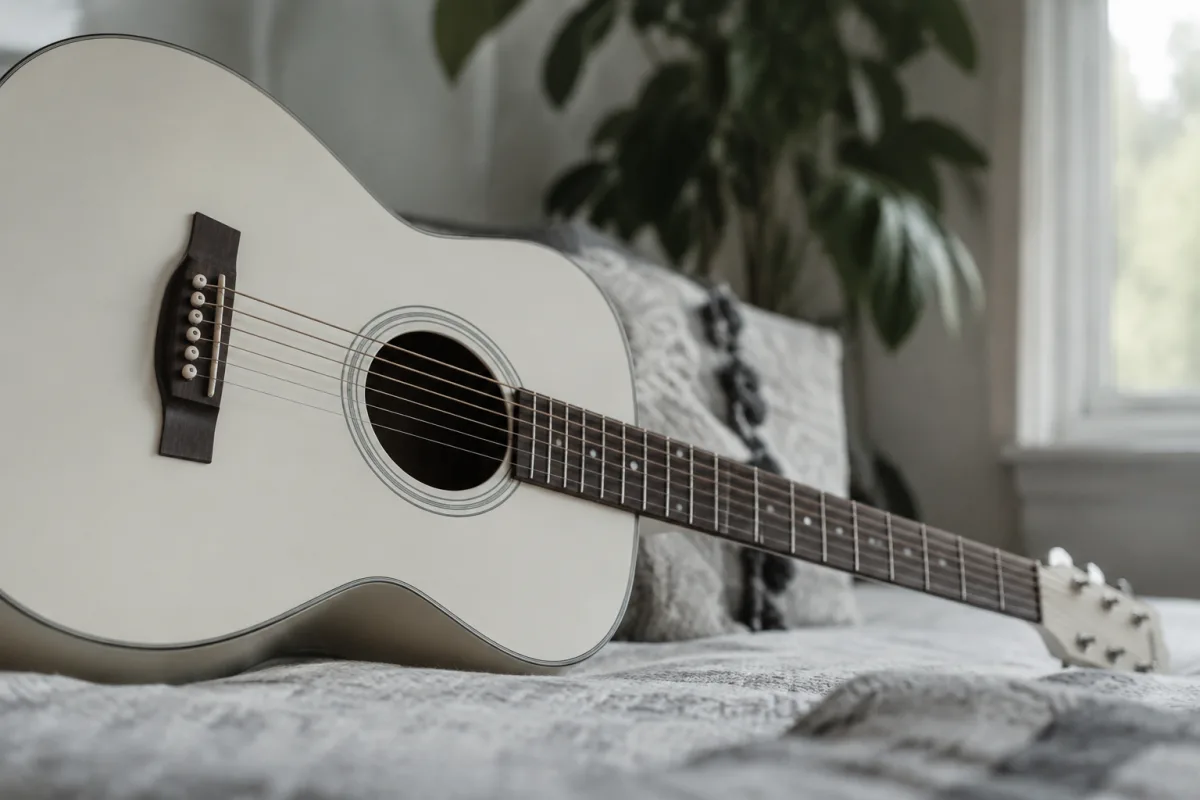
Starting with a white acoustic guitar might seem like an unusual choice, but these instruments offer unique aesthetic appeal without compromising playability or sound quality. If you're stepping into acoustic guitar for the first time and you're drawn to white finishes, this beginner's guide shows you exactly what matters and addresses common misconceptions about cosmetics affecting performance. Many beginning guitarists worry that non-traditional colours like white somehow compromise sound or durability—they absolutely don't. This guide walks you through choosing your first acoustic white guitar, learning on it confidently, and building skills that transfer across every acoustic instrument you encounter. Within weeks of consistent practice, your acoustic white guitar becomes an extension of your musicianship, and you'll understand why finish colour matters far less than playability and commitment.
Why Start With an Acoustic White Guitar
An acoustic white guitar offers genuine advantages for beginners. The bright finish looks visually striking, boosting motivation when you're learning. Psychological factors matter in music practice—loving how your instrument appears translates into more playing time. Beyond aesthetics, white acoustic guitars perform identically to traditionally coloured instruments. The finish colour doesn't affect tone, durability, or playability. Quality acoustic white guitar manufacturers use identical construction and materials regardless of finish colour. Starting with equipment you genuinely love looking at encourages the consistent practice that transforms beginners into intermediate players.
Understanding Acoustic White Guitar Construction
Most acoustic white guitars use solid wood tops with laminated sides and back. The white finish covers quality tonewoods—spruce, cedar, or mahogany—that contribute to tone. An acoustic white guitar's sound quality depends on wood quality and construction, not finish colour. The finish is simply paint or polyurethane applied to wood underneath. Quality acoustic white guitar construction means nothing in appearance changes the fundamental instrument. Understanding this removes unnecessary anxiety about choosing non-traditional colours. Your acoustic white guitar sounds exactly as good as traditionally coloured alternatives at the same price point.
Your First Experience With an Acoustic White Guitar
When you first pick up your acoustic white guitar, expect soreness in your fingertips and calluses forming on your pressing fingers. This normal progression happens regardless of finish colour. Your acoustic white guitar might feel large and awkward initially—acoustic guitars are substantially bigger than electric models. This size difference feels uncomfortable until your body adapts, typically within 2-3 weeks of regular practice. Strumming your acoustic white guitar produces satisfying volume immediately, encouraging continued practice. Many beginners prefer this auditory feedback compared to silent playing on unplugged electrics.
Building Calluses and Hand Strength
Your acoustic white guitar demands physical adaptation. Fingertips must build calluses to handle string pressure comfortably. This process typically takes 3-4 weeks of consistent practice. Begin with 20-30 minute sessions, gradually increasing duration as your fingers toughen. Your acoustic white guitar won't harm you—the soreness is normal physical adaptation, not injury. Most beginners find calluses develop faster than they expect. By week four, you'll play extended sessions without discomfort. This progression proves universal across all acoustic guitars regardless of finish.
Basic Chords on Your Acoustic White Guitar
Start with open major chords—E major, A major, D major—on your acoustic white guitar. These fundamental shapes appear in countless songs and sound satisfying quickly. Practice switching between chords slowly, aiming for clean tone rather than speed. Your acoustic white guitar responds immediately to proper finger positioning. Loose or angled fingers produce muted, unsatisfying tone. Adjusting finger positioning slightly often eliminates tone problems dramatically. This immediate feedback reinforces good technique on your acoustic white guitar.
Strumming Patterns on Your Acoustic White Guitar
Master a simple downstroke pattern before exploring complex strumming on your acoustic white guitar. Play down strokes on beats one, two, three, and four. Your acoustic white guitar responds clearly, reinforcing rhythm. Once this foundation becomes automatic, explore adding upstrokes. This systematic progression builds genuine strumming skill far faster than attempting complex patterns immediately. Your acoustic white guitar's acoustic volume provides constant feedback—you hear immediately whether your timing is accurate.
Common Beginner Mistakes
Don't press harder than necessary on your acoustic white guitar. Excessive pressure creates fatigue and poor tone. Light, accurate finger positioning produces better results. Don't skip warm-up stretches. Your hands require conditioning for acoustic guitar playing. Don't worry that your acoustic white guitar finish looks delicate—quality white finish proves as durable as any other colour. Don't expect rapid progress overnight. Building acoustic guitar skill requires consistent practice; patience brings results. Don't ignore tuning. An out-of-tune acoustic white guitar sounds terrible regardless of your playing ability. Keep your instrument tuned for honest feedback.
Playing Songs on Your Acoustic White Guitar
Once you master basic chords, playing songs transforms your acoustic white guitar from practice tool into genuine musical instrument. Choose songs using only open chords you've mastered. Folk, pop, and rock contain thousands of songs perfectly suited to beginners. Your acoustic white guitar playing along with recordings of these songs builds rhythm sense and musical understanding far faster than isolated chord practice. Record yourself playing to identify timing issues and areas needing refinement.
Maintaining Your Acoustic White Guitar
Clean your acoustic white guitar regularly—the white finish shows dust and fingerprints more obviously than traditional colours. Use a soft, dry cloth for routine cleaning. Wipe down strings after playing to extend string life. Store your acoustic white guitar in a safe, temperature-stable location away from direct sunlight. Proper care preserves both finish appearance and instrument playability. Most maintenance requires minimal effort and becomes habit quickly.
Conclusion
Starting your acoustic journey with a white acoustic guitar establishes skills and confidence that transfer across every acoustic instrument. For comprehensive information about acoustic guitar construction, playing techniques, and songwriting approaches, check out the complete guide to acoustic white guitar. By committing to consistent practice and remaining patient with your development, your acoustic white guitar becomes an extension of your musicianship and a source of genuine joy.


Comments