


Acoustic White Guitar Buying guide
Acoustic White Guitar: A Complete Buyer's Guide
An acoustic white guitar makes a striking visual statement. Discover what matters when buying one — from soundboard quality and fretwork to action, tone, and price ranges.
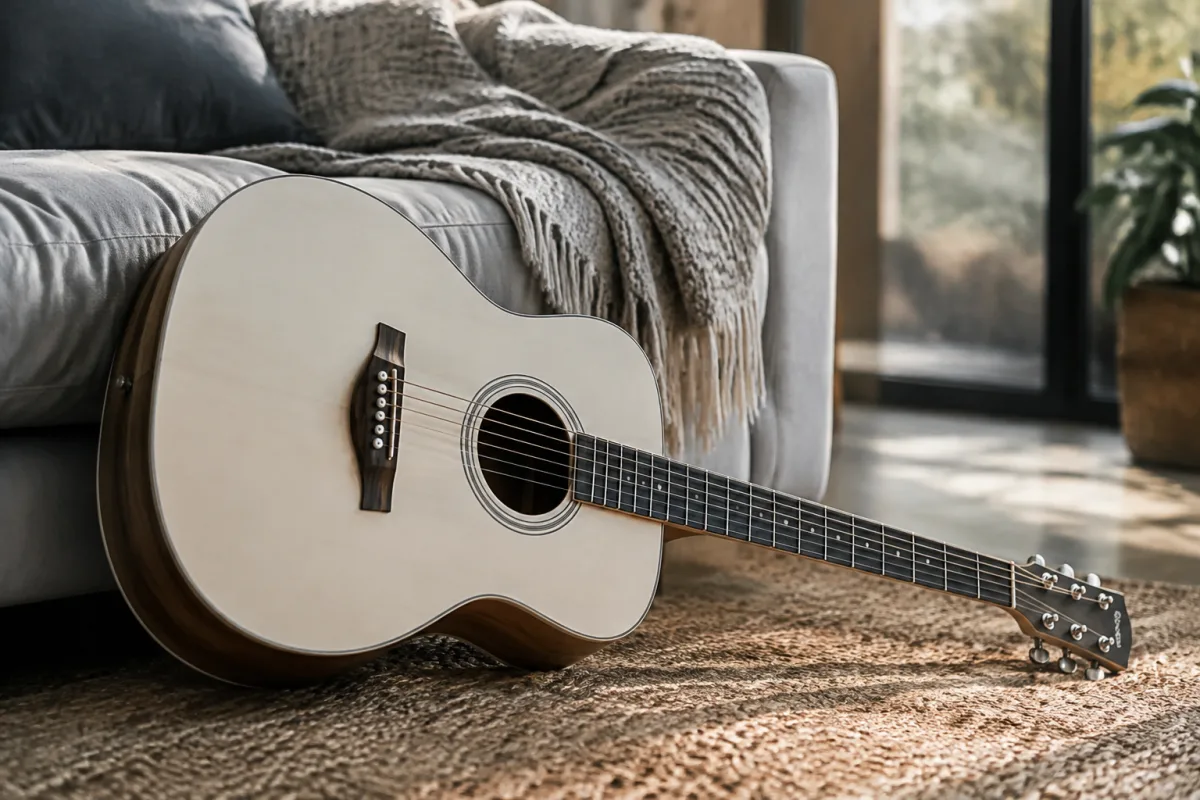
An acoustic white guitar makes a striking visual statement whilst delivering the warm, resonant tones that make acoustic guitars so beloved by musicians. Whether you're drawn to the aesthetic appeal of white finishes or seeking the perfect beginner instrument with style, understanding what matters when buying an acoustic white guitar is essential. This guide covers the key factors that determine playability, sound quality, and value.
Wood Quality and Construction
The soundboard (top) of an acoustic white guitar is where most of its tone originates. Spruce is the most common choice, known for its brightness and responsiveness. Cedar offers a warmer tone with slightly less projection. Both work beautifully in white finishes. The back and sides typically use mahogany, rosewood, or laminated wood. Solid wood construction throughout produces superior tone and sustain compared to laminate-topped instruments. When evaluating an acoustic white guitar, tap the top gently — a solid top resonates with a clear, musical tone; a laminate top sounds duller and more plastic.
The white finish itself is typically applied over a solid or laminate top. Some manufacturers use a thin polyester or nitrocellulose finish; others apply thicker polyurethane coatings. Thinner finishes allow the wood to vibrate more freely, enhancing tone. Thicker finishes provide more protection but can slightly dampen resonance. Quality matters here — a well-applied white finish on an acoustic white guitar should be smooth, even, and free of pores or thin spots where you can see the underlying wood grain showing through.
Neck and Fretboard Playability
The neck must be straight and comfortable to play. Check the truss rod adjustment — a perfectly straight neck is ideal, with perhaps a hair of relief. Too much bow makes the action high and the instrument hard to play; too much backbow causes fret buzz. With an acoustic white guitar, you'll need to physically inspect the neck from several angles to spot any warp. Sight down the fretboard from behind the headstock; any deviation from straight is visible when you do this.
The fretboard of an acoustic white guitar is usually rosewood or ebony, creating visual contrast with the white body. Maple fretboards are less common on acoustics but do appear on some models. The nut (the small piece at the headstock) should be precisely cut, with string slots that hold each string centrally. A poorly cut nut causes string buzz or causes strings to slip. Test the feel: run your fingers along the frets of the acoustic white guitar you're considering. Frets should be polished smooth and level. Any rough spots, divots, or uneven fret heights suggest poor craftsmanship.
Action and Playing Comfort
Action refers to the height of the strings above the fretboard. For an acoustic white guitar, the action at the first fret should be roughly 2–2.5mm on the bass side, and 1.5–2mm on the treble side. Higher action makes the instrument harder to play but can reduce fret buzz. Lower action is easier to play but requires precise fretwork and can buzz if the neck isn't perfectly straight. Play-test an acoustic white guitar extensively before buying; spend at least 20 minutes playing chords and single notes to feel how it responds.
Balance and comfort are equally important. An acoustic white guitar that digs into your ribs or feels unbalanced on your strap will frustrate you even if it sounds good unplugged. If you're a smaller player, a full-size acoustic white guitar may feel unwieldy. Consider dreadnought sizes (the standard), concert (smaller, often warmer tone), or parlour (very compact). The white finish doesn't change these factors, but aesthetically, white suits many body styles.
Tonal Characteristics and Projection
Play your acoustic white guitar through several styles — fingerstyle, strumming with a pick, and rhythm patterns — to hear how it responds. Dreadnoughts project loudly and suit aggressive strumming and folk styles. Concert-sized acoustic white guitars are quieter, warmer, and better for fingerstyle. Parlour guitars are very intimate and quiet. Spruce-topped basses with rosewood backs have bright, defined projection; cedar with mahogany backs are mellower and more rounded.
Unlike electric instruments, you can't adequately judge an acoustic white guitar's tone through video. The tone changes depending on where you're sitting, the room acoustics, how hard you're playing, and the string brand fitted. When play-testing, ask to hear the guitar played by someone experienced, as a complete beginner won't showcase the instrument's full voice. Listen for clarity in the trebles and warmth in the bass, with balanced projection across the full range.
Price Tiers for Acoustic White Guitars
Acoustic white guitars span a wide price range, with cost correlating loosely to quality and materials:
- Under £200: Budget imports with laminate tops and basic electronics. Fine for absolute beginners, though playability is often rough and tone is thin.
- £200–500: Entry-level with solid tops and more consistent quality. Brands like Fender, Yamaha, and Epiphone offer reliable acoustic white guitars in this range. Tone improves noticeably; playability is acceptable.
- £500–1200: Mid-range instruments with excellent playability and warm tone. Often feature premium fretwork, quality finishes, and solid construction throughout. An acoustic white guitar at this price point is suitable for serious hobbyists and professionals.
- £1200+: Premium and handcrafted instruments from luthiers and established brands. Expect flawless construction, premium tonewoods, and exceptional sound quality. Investment-grade instruments that hold value.
The white finish doesn't typically add cost — it's simply an aesthetic choice that some manufacturers offer alongside traditional natural or sunburst finishes. An acoustic white guitar should cost the same as the same model in other finishes.
Common Pitfalls to Avoid
When buying an acoustic white guitar, watch out for these mistakes:
- Ignoring the white finish quality. A cheap, thin white finish is prone to chipping and cracking. Run your fingernail gently over the back of the headstock; quality finishes feel smooth and uniform.
- Skipping the play-test. Many beginners fall in love with an acoustic white guitar's looks and buy it without testing playability. High action, buzz, and uncomfortable balance make practice frustrating and slow progress.
- Buying purely on brand. A well-known brand name is reassuring but doesn't guarantee quality. Entry-level models from premium brands can be inferior to mid-range instruments from lesser-known makers.
- Neglecting setup costs. Even new acoustic white guitars often need professional setup to optimise action and tone. Budget £30–80 for initial setup.
- Judging tone unplugged only. Acoustics sound different when you're sitting and playing versus hearing them across a room. Have someone else play whilst you listen from a distance.
New vs Second-Hand Acoustic White Guitars
A new acoustic white guitar from an established manufacturer comes with a warranty and consistent quality. You'll pay full price, but the instrument is guaranteed playable. Second-hand acoustic white guitars can offer excellent value, often at 30–50% off retail. However, an instrument stored in poor conditions — extreme humidity, direct sunlight causing finish fading or wood warping, or years of neglect — may require expensive repairs.
When shopping second-hand for an acoustic white guitar, inspect the finish carefully for cracks or crazing. White finishes show damage more visibly than natural or dark finishes, so scrutinise the instrument thoroughly. Check the truss rod to see if it's been adjusted repeatedly (a sign of chronic neck problems). Ask the seller about the instrument's history: has it been gigged regularly, stored in an attic, or dropped? For second-hand purchases, consider having a technician do a pre-purchase inspection.
Matching Your Style and Needs
The best acoustic white guitar for you depends on your playing style, hand size, and musical goals. Fingerstyle players often prefer concert or parlour sizes with narrower neck profiles. Strummers and singer-songwriters typically suit dreadnoughts. Beginners benefit from easier action and a comfortable feel — these matter more than tonal nuances at the start. Think about portability too; if you're gigging or travelling, a concert size is more practical than a full dreadnought.
The white finish is purely aesthetic and doesn't affect sound or playability. Choose it if you love the look, but prioritise comfort, action, and tonal character over colour. For a complete overview of acoustic guitar types and characteristics, see our complete guide to acoustic white guitars.
Final Thoughts
Buying an acoustic white guitar is an investment in years of musical enjoyment. The best instrument for you combines excellent playability, attractive tone, and a look you genuinely love. Spend time playing multiple models, trust your ears and hands, and don't rush. Whether you choose a budget-friendly starter or a premium handcrafted acoustic white guitar, commit to the play-test and ask plenty of questions. The perfect instrument is out there — you'll know it when you pick it up.



Comments