


PRS Strap Buying guide
Prs Strap: A Complete Buyer's Guide
Selecting the right PRS strap requires understanding material quality, comfort features, and durability factors. This buying guide helps you choose confidently.
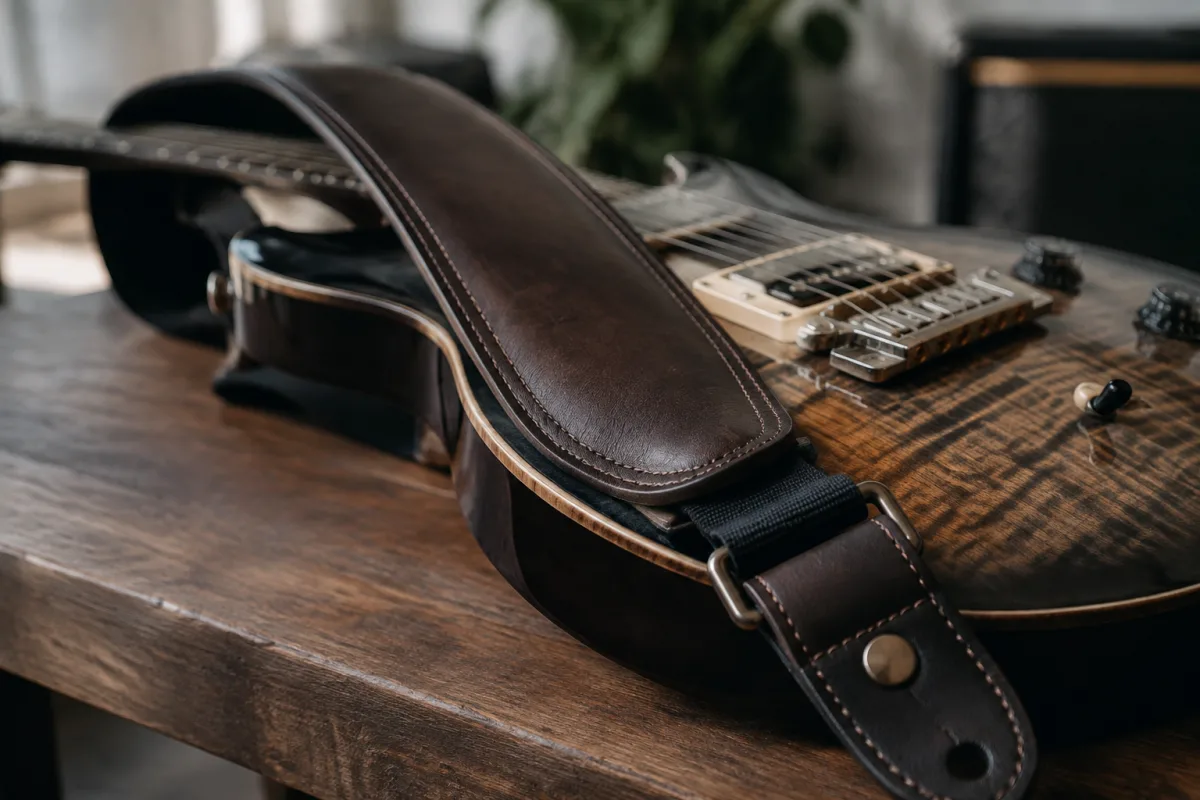
Choosing the right strap transforms how your guitar feels when you're performing or playing standing up. If you've selected a PRS guitar, finding a matching PRS strap that suits your playing style, comfort needs, and budget requires understanding what separates quality straps from budget options. This guide cuts through the confusion and shows you exactly what matters when comparing PRS straps.
Material Matters: Leather, Fabric, and Synthetic Blends
The first decision when shopping for a PRS strap is material selection. Each type has distinct characteristics affecting comfort, durability, and appearance:
- Genuine Leather: Premium PRS straps often feature leather construction. Leather breathes, develops character over time, and distributes weight excellently across your shoulder. However, genuine leather commands higher prices (typically £40-80) and requires occasional conditioning to maintain suppleness. If you're investing in a quality PRS strap, leather offers the best long-term comfort for regular players.
- Cotton and Fabric Blends: Mid-range PRS straps typically use cotton or cotton-polyester blends (£20-40). These offer decent comfort and durability, with the advantage of easy washing. Fabric straps work well for studio and practice settings where aesthetic considerations matter less.
- Synthetic Materials: Budget PRS strap options use synthetic materials or PU leather substitutes (£10-20). These resist moisture well and require minimal care, making them practical for gigging musicians who play outdoors or in humid venues. Durability varies—quality synthetics last years, while cheaper versions deteriorate within months.
Width and Padding: Finding Your Comfort Sweet Spot
Strap width dramatically affects weight distribution and playing comfort. PRS straps typically come in two widths:
Standard Width (2.5-3 inches): Suitable for most players, these PRS straps distribute weight across a reasonable shoulder area without excessive bulk. This width works for electric guitars, semi-hollows, and lighter acoustics. It's the default choice that satisfies most players.
Wide Width (4+ inches): Some PRS straps offer extra width for players with heavier guitars or those seeking maximum comfort during long playing sessions. Wide straps significantly reduce shoulder fatigue but can feel cumbersome when sitting down and switching between sitting and standing play.
Padding thickness varies considerably. Look for straps with at least 5-7mm of padding underneath. Thin padding feels cheap and transfers weight directly to your shoulder—uncomfortable during extended playing. Premium PRS straps feature graduated padding thicker where your shoulder contacts the strap, tapering at the edges for comfort without excessive bulk.
Hardware Quality: Avoiding Hidden Failure Points
The attachment points where a strap connects to your guitar determine whether your instrument stays secure. This area requires careful inspection:
- Strap Buttons and Attachments: Quality PRS straps use reinforced stitching where the hardware connects to the strap material. Poor-quality straps fail catastrophically at this junction—the strap button rips free mid-performance. Inspect the stitching pattern: tight, dense stitching indicates durability, while sparse stitching signals budget construction.
- Leather Thickness at Connection Points: If you're selecting a leather PRS strap, verify the material thickness near attachment points. Premium straps use thicker leather here, sometimes with reinforcing strips. Budget straps use uniform thin leather throughout, creating weak points exactly where stress concentrates.
- Plastic vs Metal Hardware: Cheap PRS straps sometimes feature plastic buttons. Metal hardware—particularly stainless steel or nickel-plated brass—resists corrosion and lasts indefinitely. Plastic buttons wear, crack, and fail unpredictably.
Price Tiers and What to Expect
Understanding price categories helps you make targeted decisions based on your budget and playing frequency:
| Price Tier | Material | Padding | Best For |
|---|---|---|---|
| £10-20 (Budget) | Synthetic or thin polyester | Minimal (3-4mm) | Backup straps, occasional practice |
| £20-40 (Mid-Range) | Cotton blend or PU leather | Moderate (5-7mm) | Regular gigging, studio work |
| £40-80 (Premium) | Genuine leather | Quality (7-10mm) with graduated thickness | Professional use, frequent players |
| £80+ (Luxury) | Premium leather with exotic finishes | Premium construction with reinforcement | Collectors, high-end instruments |
Common Pitfalls When Choosing a PRS Strap
Avoid these common mistakes that lead to strap failure or buyer's remorse:
- Prioritising Aesthetics Over Function: A beautiful PRS strap that hurts your shoulder after 20 minutes defeats its purpose. Always test a strap if possible—if buying online, check return policies carefully.
- Ignoring Weight Distribution: A narrow strap on a heavy guitar creates concentrated pressure points. Match strap width to your instrument's weight class and your shoulder anatomy.
- Overlooking Adjustability: Premium PRS straps offer smooth, reliable adjustment mechanisms. Cheap straps use plastic sliders that slip unpredictably during play, requiring constant readjustment.
- Selecting Based on Price Alone: The cheapest PRS strap often fails within 6-12 months of regular use. A mid-range strap delivers far better value over time.
- Forgetting About Compatibility: Ensure your chosen PRS strap features standard strap button attachments compatible with your guitar. Some boutique straps require specific hardware.
Matching Your PRS Strap to Your Playing Style
Your playing context determines the ideal PRS strap choice. For studio and rehearsal, aesthetics and comfort matter equally—a quality fabric or leather strap works perfectly. For touring musicians playing 200+ shows annually, prioritise durability and shoulder comfort above all else; premium leather or quality synthetic straps prove their worth through years of reliable service.
For session musicians switching between instruments constantly, you might maintain several straps: a lightweight backup for travel, a premium leather strap for your main instrument, and a tough synthetic strap for outdoor venues.
Making Your Purchase Decision
Before finalising your PRS strap choice, verify you understand the specific product's construction details. Read customer reviews focusing on long-term durability rather than first-impressions. Check the return policy—a 30-day trial eliminates risk when buying online. Your PRS strap is the direct connection between you and your instrument, so invest thoughtfully. Whether you select a budget option for occasional use or a premium leather strap for your primary instrument, understanding these factors ensures you choose correctly the first time.
For comprehensive information about the full range of PRS strap options and their specifications, explore the complete guide to PRS straps which covers additional details and comparisons.



Comments