


Telecaster Guitar Neck article
The Complete Guide to Telecaster Guitar Neck
The Telecaster guitar neck is an iconic design that has remained virtually unchanged for over 70 years. Discover the specifications, profiles, and unique characteristics that make it beloved by players worldwide.
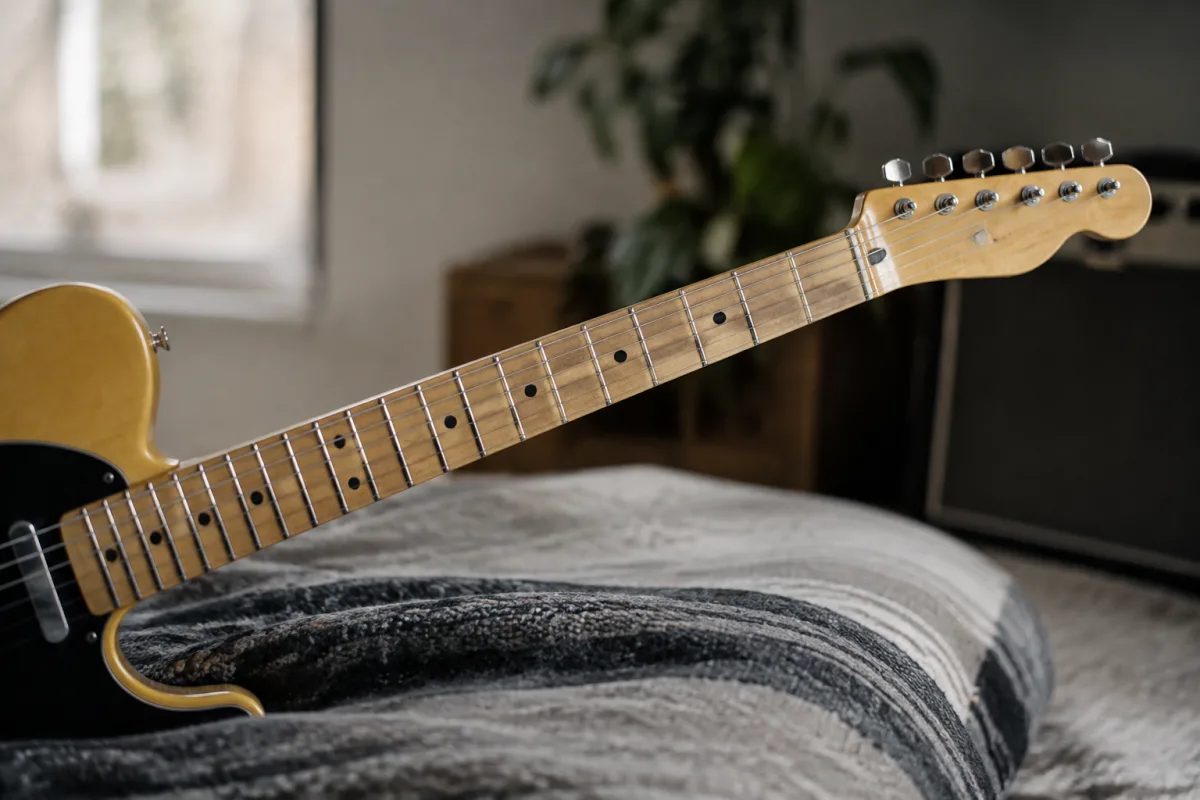
The Telecaster guitar neck is one of the most iconic and recognisable features in electric guitar design. Fender's Telecaster guitar neck has defined the sound and playability of countless guitars since 1950, making it the standard against which all other single-cutaway necks are measured. If you're considering a Telecaster or thinking about how a Telecaster guitar neck influences playability, tone, and comfort, understanding the unique characteristics of this legendary design is essential.
The History of the Telecaster Guitar Neck
The Telecaster guitar neck represents Fender's original vision for solid-body electric guitar construction. When Leo Fender designed the Telecaster guitar neck, he focused on durability, playability, and ease of manufacture. The Telecaster guitar neck design has remained largely unchanged for over 70 years, testament to its excellence. A Telecaster guitar neck features a bolt-on construction, meaning it attaches via screws rather than glue, allowing straightforward replacement or repair. This bolt-on Telecaster guitar neck design revolutionised guitar manufacturing and remains standard across the industry.
Dimensions and Specs of a Telecaster Guitar Neck
Understanding the physical specifications of a typical Telecaster guitar neck helps you assess whether this guitar style suits your hands and playing style.
Width and Thickness
A standard Telecaster guitar neck measures approximately 1.625 inches (41.3mm) at the nut. This makes most Telecaster guitar neck options narrower than modern shredding-focused designs but slightly wider than vintage specifications. The Telecaster guitar neck thickness varies with body style and era; modern Telecaster guitar necks typically measure 0.84-0.9 inches (21-23mm) at the first fret. This Telecaster guitar neck thickness provides substantial feel whilst remaining comfortable for players with smaller hands.
Fret Size and Material
Original Telecaster guitar neck models featured narrow, low frets that suited vintage playing styles. Modern Telecaster guitar neck variants often feature medium-jumbo frets, making string bending easier and improving sustain. Fender uses nickel-silver for Telecaster guitar neck frets, a standard alloy known for durability and clear tone. The fret size on a Telecaster guitar neck significantly influences playability; players preferring gentle finger positions gravitate toward lower fret Telecaster necks, whilst modern players often prefer jumbo-fret Telecaster guitar necks.
Wood Selection in Telecaster Guitar Necks
The wood chosen for a Telecaster guitar neck dramatically affects tone, durability, and appearance. Quality Telecaster guitar neck construction uses stable wood that resists warping.
Maple Telecaster Guitar Necks
Maple is the traditional choice for Telecaster guitar necks. A Telecaster guitar neck made from hard-rock maple offers excellent stability and bright tonal characteristics. Maple Telecaster guitar necks develop a beautiful patina over time, adding vintage character. Many players prefer a maple Telecaster guitar neck for its bright attack and durability. Fender Telecaster guitar necks typically use one-piece maple construction for superior stability.
Rosewood Fretboards on Telecaster Guitar Necks
Most Telecaster guitar neck models feature rosewood fretboards. A Telecaster guitar neck with rosewood fretboard provides warm aesthetics and comfortable playing surface. Rosewood on a Telecaster guitar neck develops a rich patina with age. Some premium Telecaster guitar necks feature ebony fretboards, offering improved durability and sleek appearance, though these Telecaster guitar necks command premium prices.
Telecaster Guitar Neck Profiles and Modern Variants
Modern manufacturing allows multiple Telecaster guitar neck profiles to suit diverse playing preferences.
Modern "C" Profile
The modern "C" profile Telecaster guitar neck balances comfort and feel. This Telecaster guitar neck profile suits both rhythm and lead playing. Most contemporary Telecaster guitar necks use this comfortable, versatile profile that appeals to players across skill levels.
Vintage "U" Profile
Vintage Telecaster guitar neck models featured a deeper "U" profile. A vintage Telecaster guitar neck profile feels substantial and meaty in hand, suiting players who favour a gripping feel. Enthusiasts who seek authentic vintage experience often prefer a Telecaster guitar neck with traditional "U" profiling.
Telecaster Guitar Neck Playability Characteristics
The Telecaster guitar neck profile creates distinct playability traits that attract specific musician types.
- Fast Action: A well-set-up Telecaster guitar neck enables quick finger movement, suiting lead players.
- String Spacing: Standard Telecaster guitar neck spacing at 2.157 inches (54.8mm) suits traditional playing without feeling cramped.
- Access: The Telecaster guitar neck single-cutaway body design provides decent access to higher frets for soloing.
- Comfort: A Telecaster guitar neck feels natural in hand across playing positions, though the U-profile vintage Telecaster guitar neck feels different from modern C-profile versions.
Maintenance and Care for Your Telecaster Guitar Neck
Proper care ensures your Telecaster guitar neck remains stable and playable. Protect a Telecaster guitar neck from temperature and humidity swings; store your guitar in a controlled environment. Oil your Telecaster guitar neck fretboard periodically with linseed oil if it's rosewood; avoid using oil on fretboards with polyurethane finishes.
When cleaning a Telecaster guitar neck, use only soft cloths and appropriate guitar care products. Never apply excessive pressure when cleaning frets on a Telecaster guitar neck. Have a professional inspect and potentially refret your Telecaster guitar neck every 10-20 years depending on usage; well-maintained Telecaster guitar necks can last a lifetime.
Choosing a Telecaster Guitar Neck: What to Consider
If you're evaluating Telecaster models, consider how the Telecaster guitar neck suits your hand size and playing style. Try various Telecaster guitar neck profiles if possible; modern C-profile Telecaster guitar necks feel different from vintage U-profile Telecaster guitar necks. Consider fret size; jumbo Telecaster guitar neck frets ease bending and intonation, whilst vintage Telecaster guitar neck frets suit fingerstyle playing.
The Telecaster guitar neck remains one of electric guitar's most proven and beloved designs. Whether you prefer a vintage Telecaster guitar neck or a modern variant, the Telecaster guitar neck's legendary playability and tonal characteristics make it an excellent choice for blues, country, rock, and alternative music.


Comments