


Telecaster Guitar Neck article
Telecaster Guitar Neck for Beginners: A Complete Guide
A Telecaster guitar neck is an excellent choice for beginners. This guide explains proper hand positioning, neck care, and how to develop good habits from day one.
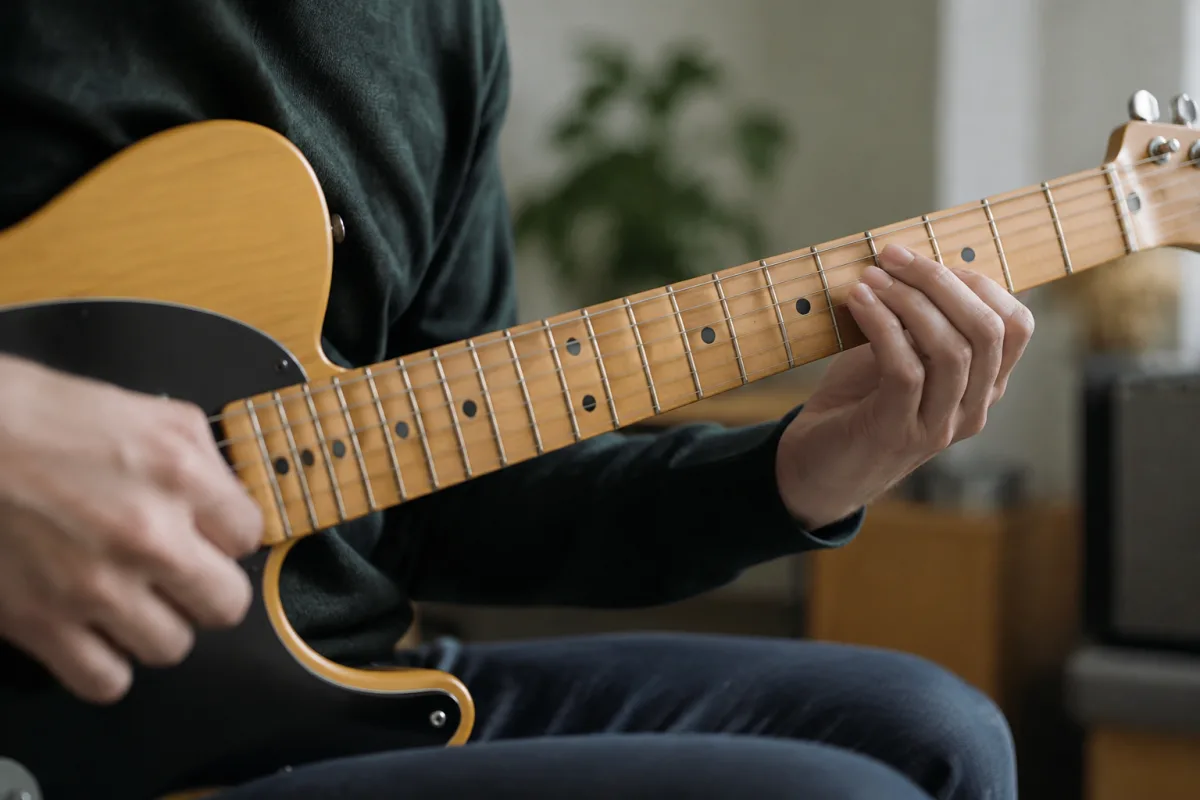
Starting your journey with a Telecaster guitar neck can feel exciting yet slightly overwhelming if you're new to guitar. The Telecaster guitar neck has a distinctive character that many beginners find approachable, but understanding how to handle and care for your Telecaster guitar neck will help you develop proper habits from day one. This beginner guide covers everything you need to know about playing comfortably on a Telecaster guitar neck and avoiding the common mistakes that frustrate new players.
Getting to Know Your Telecaster Guitar Neck
A Telecaster guitar neck is typically thinner than some other guitar styles, which many beginners appreciate. The width of a Telecaster guitar neck is narrower than a Stratocaster, making chord changes and scale playing feel more accessible when you're learning. The finish on a Telecaster guitar neck can be either oiled (natural wood feel) or polyurethane (sealed protection). Both work fine; the difference is personal preference for how the Telecaster guitar neck feels in your hands.
Run your hand along your Telecaster guitar neck to familiarise yourself with how it feels. Notice the fret crowns—the slight hills running down the frets. These prevent dead spots and allow your notes to ring clearly. The Telecaster guitar neck's construction and finish directly affect how comfortable playing becomes over time.
Proper Hand Position on a Telecaster Guitar Neck
Your grip on the Telecaster guitar neck determines how quickly your fingers develop and how long you can play without discomfort. Position your thumb on the back of the Telecaster guitar neck, roughly behind your middle finger. Wrap your fingers around toward the frets. Keep your wrist relatively straight; avoid bending your wrist excessively when holding the Telecaster guitar neck, as this creates tension and limits finger reach.
When fretting notes on your Telecaster guitar neck, use the tips of your fingers, not the pads. Press just hard enough for clear notes; excessive pressure on the Telecaster guitar neck wastes energy and causes hand fatigue. Many beginners grip the Telecaster guitar neck too tightly from tension and anxiety. Relax your hand and let the geometry of the Telecaster guitar neck work with your fingers, not against them.
Caring for Your Telecaster Guitar Neck
The Telecaster guitar neck deserves regular maintenance to preserve playability. Wipe your Telecaster guitar neck with a dry cloth after playing to remove sweat and grime. This simple habit on your Telecaster guitar neck prevents buildup that eventually makes playing uncomfortable and affects your tone.
Avoid extreme temperature and humidity changes, as these can cause your Telecaster guitar neck to warp or develop fret issues. Store your guitar away from direct sunlight and heat sources. If your Telecaster guitar neck develops fret sprout (frets pushing up at the ends) or action problems, professional adjustment is worth the investment—don't attempt truss rod adjustments yourself as a beginner.
Common Beginner Mistakes on a Telecaster Guitar Neck
When learning on a Telecaster guitar neck, watch out for these frequent errors:
- Gripping too tightly: Tension in your hand while playing a Telecaster guitar neck causes pain and limits speed. Relax and let gravity help hold the Telecaster guitar neck in position.
- Pressing too hard: Your fingers need just enough pressure on the Telecaster guitar neck to produce clear notes. More pressure doesn't improve tone and causes hand pain.
- Ignoring action height: If playing high up on your Telecaster guitar neck feels painful, your action might be too high. Professional setup can help.
- Leaving sweat on your Telecaster guitar neck: Sweat corrodes frets and discolours the wood. Always wipe your Telecaster guitar neck after playing.
- Not stretching between sessions: Playing on a Telecaster guitar neck builds hand strength but can cause repetitive strain. Stretch your fingers and wrist regularly.
Avoiding these mistakes from the beginning means your Telecaster guitar neck becomes easier to play, not harder, as you progress.
Your First Weeks Playing a Telecaster Guitar Neck
In your first weeks with your Telecaster guitar neck, focus on building finger strength gradually. Start with just 15-20 minutes daily; your fingers will hurt initially, but this discomfort fades as calluses develop. Increase your daily time on the Telecaster guitar neck gradually, never pushing to the point where pain shoots through your hand.
Practice simple open chords on your Telecaster guitar neck like E major and A minor. Don't rush to complicated songs. Building comfort and confidence on a basic Telecaster guitar neck foundation prevents bad habits that are harder to unlearn later.
Setting Up Your Telecaster Guitar Neck for Comfort
Before you invest substantial practice time on your Telecaster guitar neck, have a professional check the setup. They'll verify your action (string height), nut height, and fret level. A Telecaster guitar neck that's poorly set up will never feel comfortable, no matter how good your technique becomes. Professional setup isn't expensive and makes the Telecaster guitar neck far more playable.
For comprehensive information about Telecaster guitar necks and how they compare to other styles, see our complete guide to Telecaster guitar necks. It covers neck specifications, maintenance techniques, and advanced playing methods.
Growing Confident on Your Telecaster Guitar Neck
Your Telecaster guitar neck is a forgiving place to learn. The narrower width and familiar shape of a Telecaster guitar neck make it an excellent choice for beginners. Trust your hands to adapt. With consistent, relaxed practice on your Telecaster guitar neck, you'll develop the muscle memory and finger strength that makes playing feel natural and enjoyable.


Comments