


Guild Electric Guitar article
Guild Electric Guitar for Beginners: A Complete Guide
Guild has been building quality guitars since 1952. This beginner's guide explains what makes Guild electric guitars distinctive, which models work best for learners, and whether the investment is worth your money.
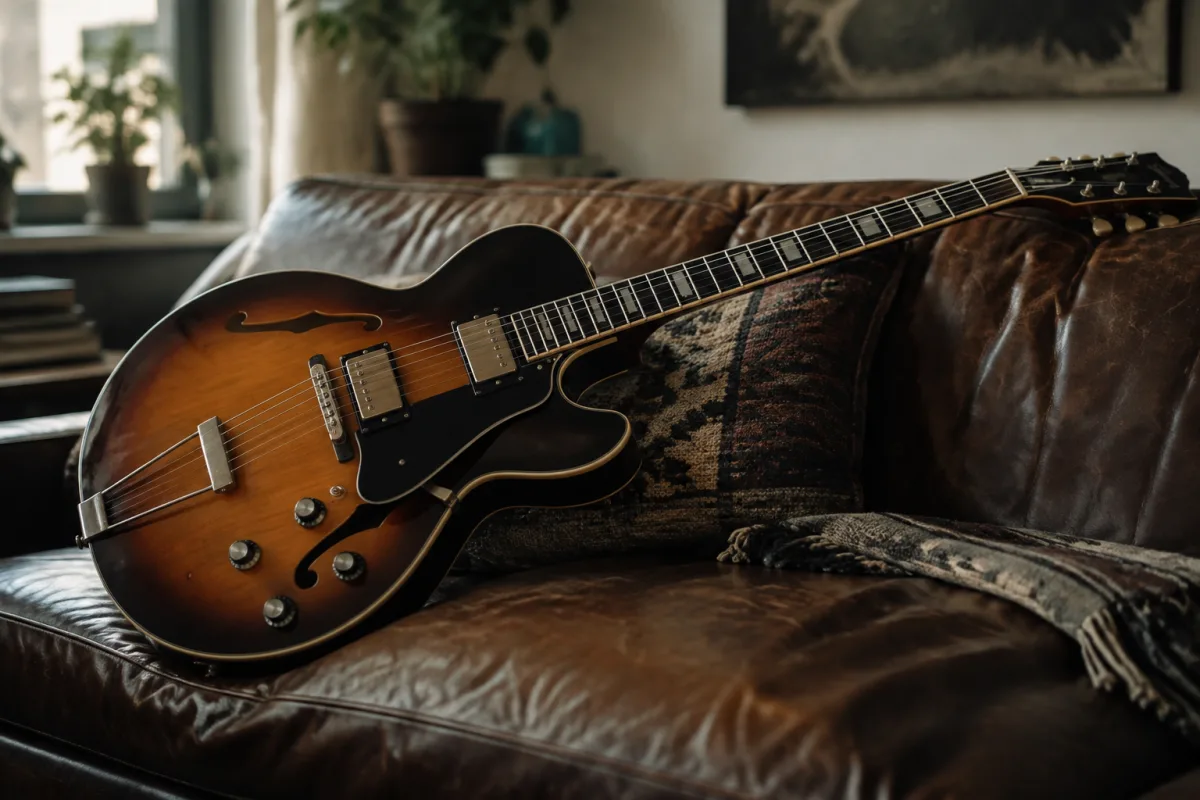
Guild electric guitars occupy an interesting space in the guitar world. They're built by an American company with serious heritage, yet they don't have the household recognition of Fender or Gibson. If you're considering a Guild for your first electric guitar and wondering what to expect, this guide walks you through why they're worth attention, which models make sense for beginners, and what you'll experience playing one.
Guild's Legacy and Philosophy
Guild was founded in 1952 by Alfred D'Addario in New York, and it remains one of America's longest-standing guitar makers. The company built its reputation on meticulous craftsmanship and consistent playability across their range. Guild never chased trends or sacrificed quality for volume; instead, they've quietly built instruments for working musicians who value reliability and tone. This philosophy translates directly to their electric guitars—you're buying from a company that understands what players actually need, not what marketing suggests they want.
Guild Electric Guitars: The Modern Lineup
Guild currently makes electric guitars at several price points. Their entry-level models, particularly in the Starfire and Newark Street series, start around £600–£900 and represent excellent value for the quality you're receiving. These aren't cheap instruments, but they're positioned between budget beginner guitars and premium American models. For a beginner willing to invest properly in their first guitar, Guild sits in the sweet spot of affordability without compromise.
What Makes Guild Electrics Special
Guild electric guitars are known for particular strengths. First, they play comfortably from day one—the action is well-set, the necks are straight and the frets are properly levelled. Second, they have warm, full-bodied tone that rewards both clean and overdriven playing. Third, they're built solidly enough that a Guild guitar purchased today will be playable and valuable in 20 years. This longevity matters if you're making a financial commitment as a beginner.
Guild Models Suitable for Beginners
Two model lines deserve your attention. The Starfire series offers semi-hollow body guitars with natural warmth and sustain—ideal if you're drawn to classic rock, blues or jazz tones. The Newark Street series (import models, lower price) provides solid body options similar to the Starfire in feel but with a different aesthetic. Visit a shop and hold both if you can; the body shape and comfort matter as much as the name on the headstock. If a Starfire feels more natural in your hands, go for it. If the Newark Street appeals more, that's the right choice.
Tone and Versatility
A Guild electric is remarkably versatile. The natural warmth works beautifully for blues; the sustain and articulation suit rock; the clean tone is sophisticated enough for jazz exploration. You won't feel pigeonholed into one genre, which is valuable when you're first discovering what you actually want to play. Unlike guitars built specifically for metal or surf, Guild gives you breadth.
Construction Quality
Guild guitars use quality materials throughout. The hardware is robust, the wiring is clean, and the electronics are reliable. This means fewer trips to a repair technician and more time playing. For a beginner, this reliability is precious—you want to spend mental energy learning to play, not troubleshooting technical problems with a newly purchased guitar.
Price Versus the Competition
A Guild entry-level electric costs roughly £200–£400 more than equivalent Fenders or Epiphones. The question for a beginner is whether that extra investment justifies the cost. The honest answer: it depends on your budget. If you can comfortably afford it, Guild's superior construction and warm tone make it worth every pound. If that extra £400 means financial strain, buy a solid Fender Stratocaster instead—it will serve you excellently. Don't overextend yourself financially for brand loyalty.
Resale and Long-Term Value
Guild guitars hold their value exceptionally well. A used Guild electric typically resells at 65–75% of original cost, even after years of playing. This is partly because the market recognises their quality, and partly because they actually improve with age as the wood seasons. If you decide guitar isn't for you, you'll recover a respectable portion of your investment.
Amplification and Setup Considerations
A Guild electric deserves a decent practice amplifier—at least a 20-watt solid-state amp (around £150–£300). Don't pair a quality guitar with a terrible amp; the mismatch leaves you thinking the guitar is at fault when it's actually the amplifier. Also budget for a professional setup after purchase (£40–£60), even though Guild ships properly configured. A setup customised to your hands and playing style makes an enormous difference in playability.
Should You Buy a Guild Electric as a First Guitar?
If your budget stretches to £700–£900 and you want an instrument that teaches you proper technique through its responsiveness, plays comfortably from day one and holds its value, a Guild is genuinely sensible. It's not trendy or flashy, but it's honest—exactly what you want from a first guitar. If your budget is tighter, look elsewhere and plan to upgrade to Guild later when you've built confidence.


Comments