


Guild Electric Guitar Buying guide
Guild Electric Guitar: A Complete Buyer's Guide
A Guild electric guitar carries decades of heritage—but which model suits you, and is the premium price worth it? This buying guide cuts through the nostalgia.
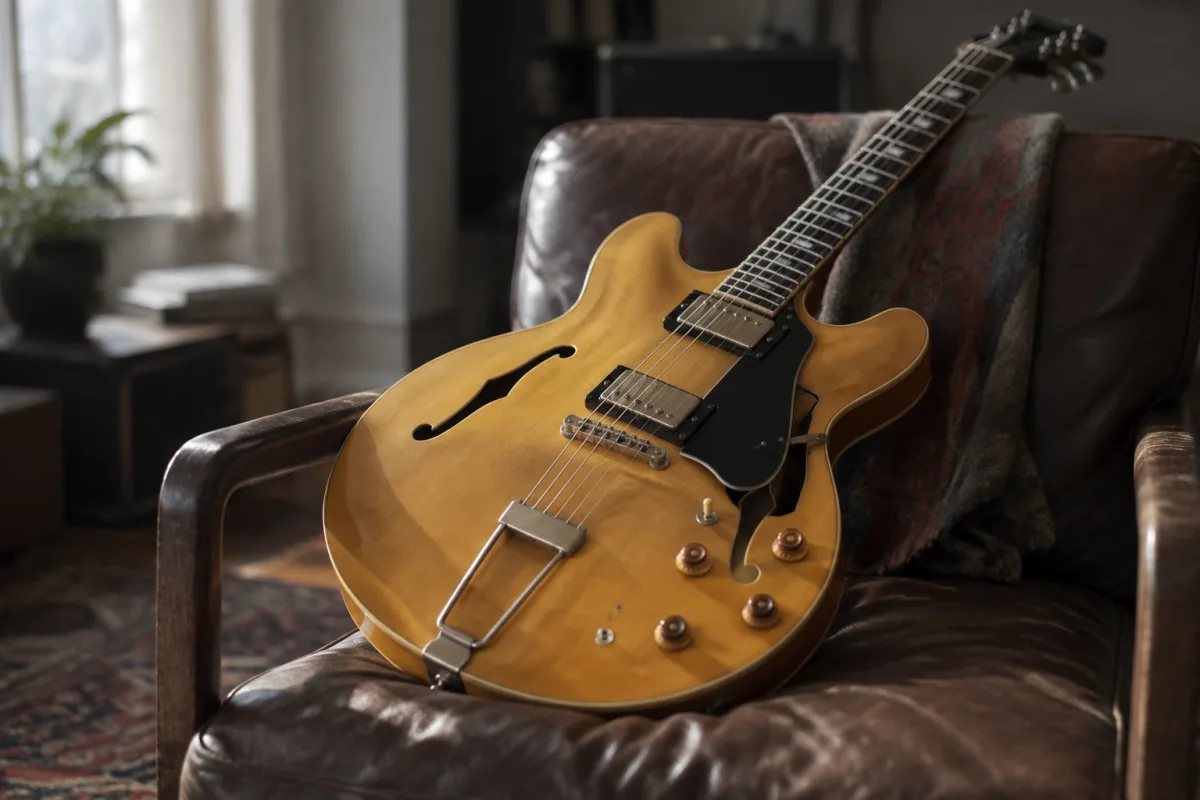
When you're shopping for a Guild electric guitar, you're considering an instrument with over 70 years of heritage behind it. But heritage doesn't guarantee value. This guide walks you through the practical decisions—specs to evaluate, price-to-quality calculations, and pitfalls specific to Guild—so your purchase delivers both tone and satisfaction.
Understanding Guild's Electric Lineup
Guild's electric offerings span semi-hollow and solid-body designs, ranging from around £1,200 to £3,500. Knowing the categories helps you narrow your choice:
- Guild Starfire Series—Semi-hollow, £1,800–2,400. Warm, jazzy tone. Light and comfortable for long sessions.
- Guild S-100—Solid single-cutaway, £1,500–2,000. Versatile, classic rock voice.
- Guild Polara—Offset body, £1,600–2,200. Modern styling, retro vibe.
- Guild Aristocrat—Premium semi-hollow, £2,800–3,500. Hand-selected woods, boutique pricing.
Most buyers find excellent value in the £1,600–2,200 range. Below that, expect comparable features from Korean-made Guilds (still good quality). Above that, you're paying for limited-production runs and premium materials.
Build Quality Check: What to Examine
Guild's reputation rests on solid construction, but execution varies by production line. Before committing, inspect these critical areas:
Body Finish and Wood Quality
Run your hand over the body. The finish should feel smooth with no rough spots, drips, or orange-peel texture. Look for consistency in stain colour—mismatched areas suggest rushed work. Check along body seams; gaps mean the body wasn't precisely machined.
On semi-hollow Guild electric guitars, the internal construction matters. Ask if you can see photos of the internal block and bracing. Quality brands use solid centre blocks that affect sustain and feedback resistance significantly.
Frets and Playability
Sight down the neck. Frets must be level with no high or low spots. Play open strings and every fret on each string—listen for buzzing or dead zones. Many Guild electric guitars come with decent fretwork from the factory, but some need pro setup. Budget £40–70 for adjustment if needed.
Hardware and Electronics
Tuners should turn smoothly without grinding. Bridges must sit flush and secure. Test the electronics thoroughly in the shop—switch pickups, roll volume and tone pots, and listen for crackling or cuts. Guild uses vintage-inspired wiring on many models; if you hear hum, that's sometimes normal, but excessive buzz suggests a grounding issue.
Comparing Guild to Direct Competitors
At similar price points, how does a Guild electric guitar stack up? Here's the reality:
| Brand | Price | Tone Character | Best For |
|---|---|---|---|
| Guild Starfire | £1,800–2,400 | Warm, articulate, jazz-friendly | Jazz, R&B, indie rock |
| Epiphone Riviera | £1,200–1,700 | Similar warmth, slightly darker | Budget-conscious semi-hollow buyers |
| Fender Coronado | £1,500–2,000 | Bright, punchy semi-hollow | Players seeking Fender brightness with semi-hollow comfort |
| PRS Semi-Hollow | £2,300–3,200 | Balanced, versatile, modern | Premium buyers wanting maximum versatility |
Price-to-Quality Reality Check
Guild's pricing has risen steadily, partly driven by nostalgia and partly by genuine quality. A new Guild electric guitar at £2,000 costs more than comparable Fenders or Epiphones because you're paying for the name and heritage as much as the construction. That's not always a bad trade—brand recognition aids resale—but acknowledge it.
The sweet spot for value: £1,600–1,900 for a well-made, player-grade Guild. Above that, diminishing returns appear quickly. Below that, you might find better specs elsewhere.
New Versus Vintage Guild Electric: Investment Angles
Guild's vintage instruments (1960s–1980s) command strong prices due to rarity and tonal characteristics. However, buying vintage Guild electric guitars requires expert inspection. Neck damage, fret wear, hardware corrosion, and wiring issues are common and expensive to fix.
A pre-1980s Guild might cost £1,500–3,000 depending on condition. Factor in a £100–200 luthier inspection before committing. New Guild electrics come with warranty and known condition—a safer choice unless you're confident evaluating vintage instruments.
Common Buying Mistakes
Avoid these costly errors:
- Assuming all Guilds are American-made. Most new Guild electric guitars are made in Korea or China. Only limited series and Artist models are US-made. Check origin before buying if country of manufacture matters to you.
- Ignoring weight and comfort. Semi-hollow Guilds can weigh 7–9 lbs. Play for 30 minutes before buying—strap fatigue is real and brutal.
- Believing vintage always means better. Older doesn't equal superior. A 1970 Guild with fret wear and a warped neck is NOT a good investment, regardless of age.
- Skipping professional setup. A fresh setup (£50–80) transforms playability dramatically. Many shop instruments need it.
- Overlooking finish durability. Guild's vintage-inspired finishes are thinner than modern polyurethane. They ding and chip more easily. That's character to some; a deal-breaker to others.
Electronics and Amplifier Pairing
Guild electrics shine through warm, medium-power tube amps (30–50 watts). Plug a Guild electric guitar into a tiny solid-state combo and you'll lose the woody, resonant character that makes Guild special. If you're buying your first Guild, budget at least £300–500 for a decent amp. The guitar and amp together create the tone; either one can bottleneck your sound.
Warranty and After-Sales Support
Guild includes a one-year limited warranty on electrical components and construction defects. Finish damage and wear are excluded. Know exactly what's covered before signing. Many authorised dealers offer extended warranties (£50–150 extra) that cover accidental damage—worth considering if this is your primary instrument.
Making Your Final Decision
Buy a Guild electric guitar if you prefer warm, vintage-inspired tone and semi-hollow comfort. Accept that you're paying a heritage premium compared to similarly-spec'd competitors. Play multiple examples before deciding. A guitar that inspires you to practise is worth more than the perfectly optimised spec sheet. Trust your ear and hands first; specs second.
Explore the rich history and full range of Guild electric guitars in our comprehensive guide to understand which model best matches your musical direction.



Comments