


Semi Hollow Gretsch article
The Complete Guide to Semi Hollow Gretsch
Semi-hollow Gretsch guitars blend acoustic warmth with amplified performance reliability. Discover the distinctive character of these iconic instruments.
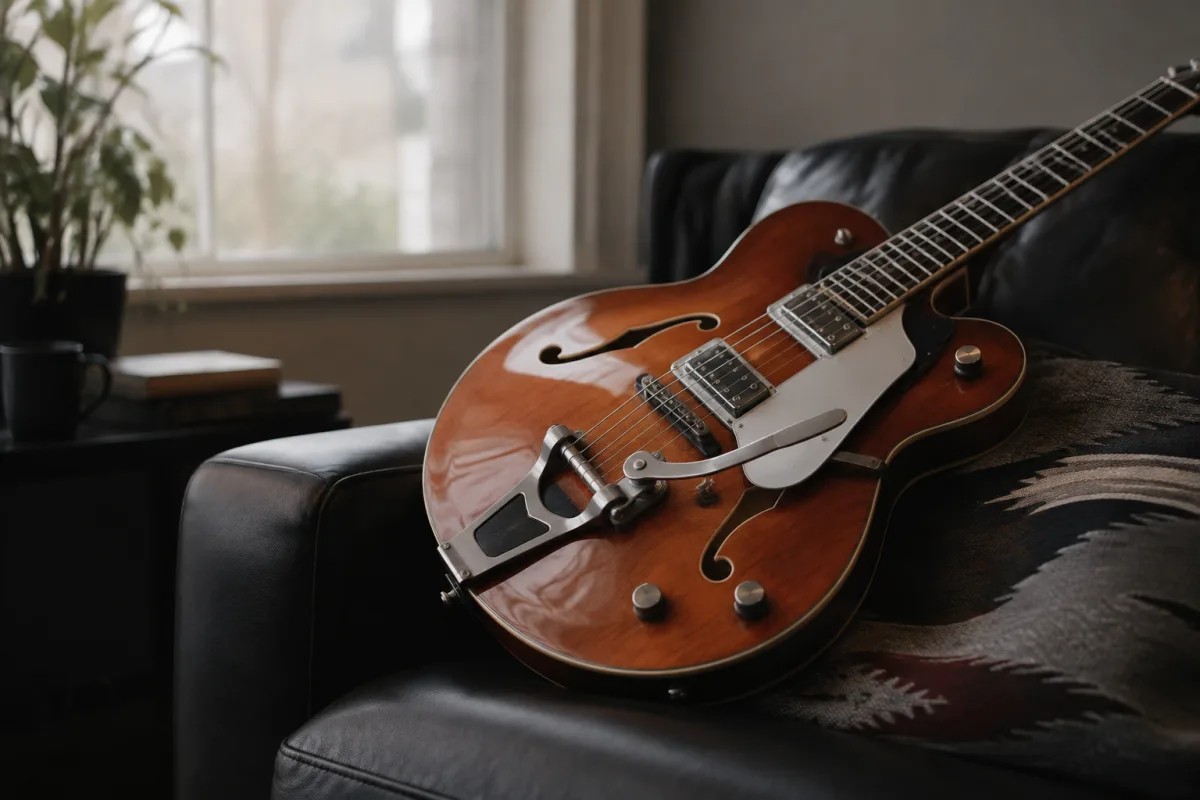
Semi-hollow Gretsch guitars combine the aesthetic and tonal advantages of traditional hollow-body design with the feedback resistance essential for modern amplified performance. These distinctive instruments produce warm, resonant tones suited to jazz, rockabilly and alternative rock contexts. This guide explores what makes semi-hollow Gretsch guitars distinctive and helps you evaluate whether one suits your musical needs.
The Heritage of Semi-Hollow Gretsch Design
Gretsch introduced semi-hollow body guitars during the 1950s, developing instruments that balanced acoustic resonance with reliable amplified performance. Semi-hollow Gretsch models became popular among session musicians and touring performers seeking instruments with character and presence. These guitars established themselves as essential tools across multiple genres.
The semi-hollow Gretsch design philosophy emphasises warm, woody tones whilst providing practical feedback resistance needed for stage and studio applications.
Understanding Semi-Hollow Construction
Semi-hollow Gretsch guitars feature internal chambers beneath the bridge area that resonate sympathetically whilst maintaining structural solidity. This design produces natural sustain and tonal warmth impossible with solid-body instruments. The construction minimises feedback compared to fully hollow designs, making semi-hollow Gretsch guitars ideal for high-volume performance contexts.
The distinctive bracing and internal architecture of semi-hollow Gretsch instruments significantly influences their sonic character and responsiveness.
Distinctive Tonal Qualities
Semi-hollow Gretsch guitars produce warm, articulate tones with natural sustain and woody character. These instruments excel in jazz and blues contexts where expressive dynamics matter critically. The semi-hollow Gretsch design enables performance techniques requiring high volume without unwanted feedback issues that plague fully hollow instruments.
Each semi-hollow Gretsch model offers unique tonal characteristics based on body size, pickup configuration and bracing patterns.
Popular Semi-Hollow Gretsch Models
Notable semi-hollow Gretsch guitars include instruments designed for jazz, rockabilly and contemporary applications. Each semi-hollow Gretsch model emphasises distinctive aesthetics and sonic capabilities tailored to specific musical contexts and playing styles. Gretsch offers options ranging from affordable Electromatic versions to premium USA Custom Shop models.
Playability and Performance Advantages
Semi-hollow Gretsch guitars balance weight, comfort and responsiveness effectively. The moderate body depth and width make them manageable for extended playing sessions. Neck profiles enable both rhythm strumming and precise single-note playing. Semi-hollow Gretsch instruments feel well-balanced whether seated or standing.
Comparing to Alternatives
Semi-hollow Gretsch guitars compare directly to Gibson and Fender semi-hollow models. Gretsch instruments typically emphasise brighter tonal character and distinctive vintage aesthetics. Semi-hollow Gretsch options occupy a unique market position between mass-market brands and ultra-premium boutique makers.
Investment and Value
Vintage semi-hollow Gretsch guitars command premium prices reflecting their collectible status and legendary performance heritage. Modern USA-made models hold value well. Even affordable Electromatic semi-hollow Gretsch options maintain reasonable resale value.
Whether pursuing authentic vintage tone or seeking contemporary performance instruments, semi-hollow Gretsch guitars merit serious consideration as distinctive, worthy investments for musicians valuing both sonic character and visual aesthetics.


Comments