


Semi Hollow Gretsch Buying guide
Semi Hollow Gretsch: A Complete Buyer's Guide
A practical guide to buying semi-hollow Gretsch guitars, covering model lines, specifications, price tiers, and how to evaluate tone and playability.
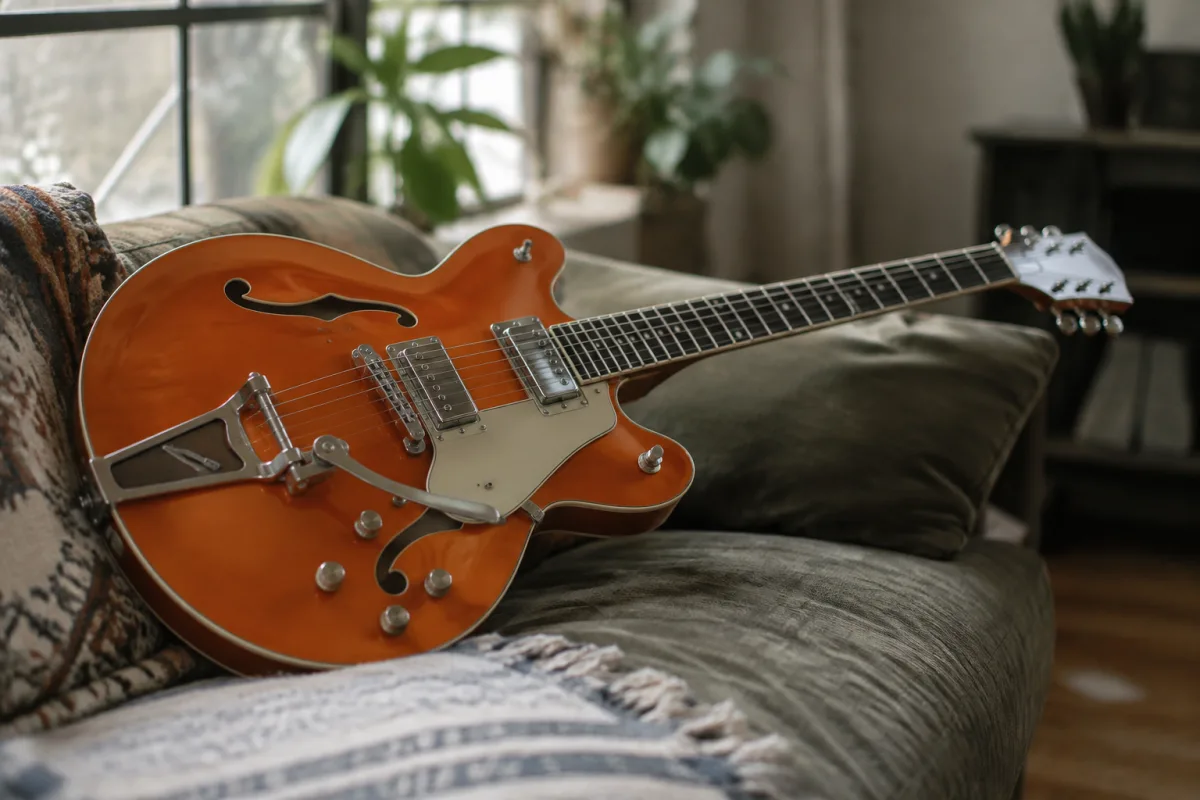
A semi-hollow Gretsch guitar represents one of the most distinctive sounds in rock, country, and jazz. The brand's iconic semi-hollow bodies—combining solid wood construction with air chambers—produce warmth, sustain, and natural feedback control that solid guitars struggle to replicate. If you're considering buying one, this guide covers model variations, features to evaluate, price tiers, and how to match the right instrument to your playing style and budget.
The Gretsch Semi-Hollow Sound
Unlike a fully hollow guitar (which resonates like an acoustic), this model features a solid centre block of wood running through the body, with air chambers on either side. This design delivers the warmth and natural feedback of a hollow body combined with the sustain and feedback control of a solid guitar. The result is a rich, woody tone that's particularly prized in jazz, rockabilly, and classic rock. Players like Brian Setzer, George Thorogood, and Chet Atkins relied on these instruments to define their signatures.
Key Gretsch Model Lines
The brand offers several semi-hollow lines, each with distinct characteristics.
Electromatic Series
The budget-friendly Electromatic line (typically £400–800) makes these instruments accessible to beginners. These feature laminated bodies, basic hardware, and simpler electronics than professional models. Sound quality is respectable for the price, though less articulation and sustain than premium versions. Excellent for learning the character without major investment.
Professional Series
Professional models (£1,000–2,500) feature solid wood bodies, superior hardware, and refined electronics. These deliver fuller tone, longer sustain, and better feedback control. Popular models include the Duo Jet and Falcon variants. These suit advancing players and working musicians.
Vintage Reissue
Gretsch's vintage reissues (£1,500–3,500) recreate classic 1950s and 1960s specifications with period-accurate hardware, wiring, and finishes. These reissues sound significantly warmer than modern professional models, partly due to vintage wiring and component choices. Ideal for purists and players seeking authentic vintage tone.
G2622 Streamliner
A newer option (£700–1,200), the Streamliner strikes a balance between affordability and character. It offers solid construction and decent playability at a lower price than professional series guitars, making it an attractive middle ground.
Critical Specifications
Body Wood and Construction
These models typically use maple or laminated maple for the outer body, with a spruce or maple centre block. Solid wood bodies (professional and reissue series) sound warmer and age more gracefully than laminate. The thickness of the outer walls and size of the air chambers affect tone: larger chambers = more resonance; thinner walls = easier feedback. Heavier instruments generally have denser tone.
Hardware Quality
Tuning machines, bridge, and tailpiece directly affect tuning stability and sustain. Budget Electromatic models use basic hardware; professional and vintage reissue semi-hollow Gretsch guitars feature Grover or Fender tuners and solid steel bridges. Upgrading hardware on a budget guitar can yield surprising improvements.
Electronics
Most models use Gretsch's proprietary FilterTron or Dynasonic pickups. FilterTrons offer bright, cutting tone; Dynas give warmer, smoother character. Premium versions feature hand-wound pickups. Onboard controls typically include volume per pickup, master tone, and a Bigsby vibrato system (a Gretsch signature feature on many models). The Bigsby contributes significantly to the instrument's character, offering smooth, subtle pitch modulation.
Finish and Aesthetics
These instruments come in classic finishes: orange, red, white, and sunburst. These aren't purely aesthetic—different finishes sometimes indicate different eras or construction methods. Vintage finishes are more prone to checking (fine cracks) with age; modern lacquers are more durable.
Price Tiers and Value
| Price Range (GBP) | Best For | Key Features |
|---|---|---|
| Budget (£400–800) | Beginners, hobbyists | Electromatic line; laminated bodies; basic hardware; respectable tone |
| Mid-Range (£800–1,500) | Advancing players, hobbyists | Mixed materials; improved hardware; stronger tone and sustain |
| Professional (£1,500–2,500) | Working musicians, serious enthusiasts | Solid wood; premium hardware; refined electronics; excellent playability |
| Vintage Reissue (£2,000–3,500) | Purists, vintage-focused players | Period-accurate specs; hand-wired; warm vintage tone; collector appeal |
The jump from budget to mid-range is significant in tone and playability. Professional models offer incremental improvement in sustain and electronics. Vintage reissues command premium prices partly for authenticity, not necessarily for superior sound—a professional model often outplays a reissue for modern players.
Key Features to Evaluate When Shopping
- Neck profile. Necks vary from thin modern profiles to thicker vintage shapes. Play multiple options to find your comfort zone; the feel matters more than specs.
- Action and playability. A semi-hollow Gretsch should have reasonably low action (string height) without fret buzz. Check this before buying—high action is annoying and suggests poor setup or worn frets.
- Bigsby compatibility. Not all semi-hollow Gretsch guitars have a Bigsby system, and retrofitting one is expensive. Decide if you want it before committing.
- Fret condition. For used guitars, examine frets under bright light for wear patterns. Moderate wear is normal; deep divots require refrets (£300–600).
- Electronics responsiveness. Test all controls—volume pots, tone knobs, pickup selector—for crackling or dead zones. A scratchy pot can be cleaned or replaced (£20–50).
- Resonance and feedback. Play the guitar unplugged and plugged in. Does it resonate openly? Does feedback feel controlled or wild? This indicates body quality and electronics.
Common Pitfalls
- Buying on looks alone. These guitars are stunning, but beauty doesn't guarantee playability or tone. Play before buying.
- Ignoring setup needs. A cheap guitar with a professional setup often plays better than an expensive guitar with poor setup. Budget £50–150 for proper setup after purchase.
- Assuming all semi-hollow instruments sound the same. Construction, wood quality, and pickup choice create dramatic tonal differences. Test multiple options.
- Overlooking used vintage models. Older instruments from the 1950s–1980s are affordable (£600–1,200 used) and often sound superior to modern equivalents. Condition varies; inspect carefully.
- Forgetting resale value. Professional-grade and vintage models hold value well; budget Electromatic options depreciate quickly. This matters if you might sell later.
Where to Buy
Specialist guitar retailers, major music stores, and online marketplaces stock these instruments. When possible, visit a shop to play multiple options; tone varies enough that feel and sound are personal. Check return policies—ideally 14–30 days—so you can return if it doesn't suit your home setup. Used vintage models often deliver better value than new; check reverb.com, eBay, or local shops for deals.
For deeper exploration of these instruments, see the complete guide to semi-hollow Gretsch guitars.
Your Decision
Choosing one depends on your budget, playing style, and sonic preferences. A beginner should start with an Electromatic model and upgrade later if the bug bites. An advancing player will thrive with a professional-tier instrument. A vintage enthusiast should explore used 1950s–1970s models, which often rival new reissues in tone and playability. Play multiple options, trust your ears, and choose the one that inspires you to pick it up regularly. That's the only spec that truly matters.


Comments