


Gretsch Left article
Gretsch Left for Beginners: A Complete Guide
A practical beginner's guide to finding, choosing, and playing your first left-handed Gretsch guitar. Learn what's available, what to check, and why Gretsch respects left-handed players.
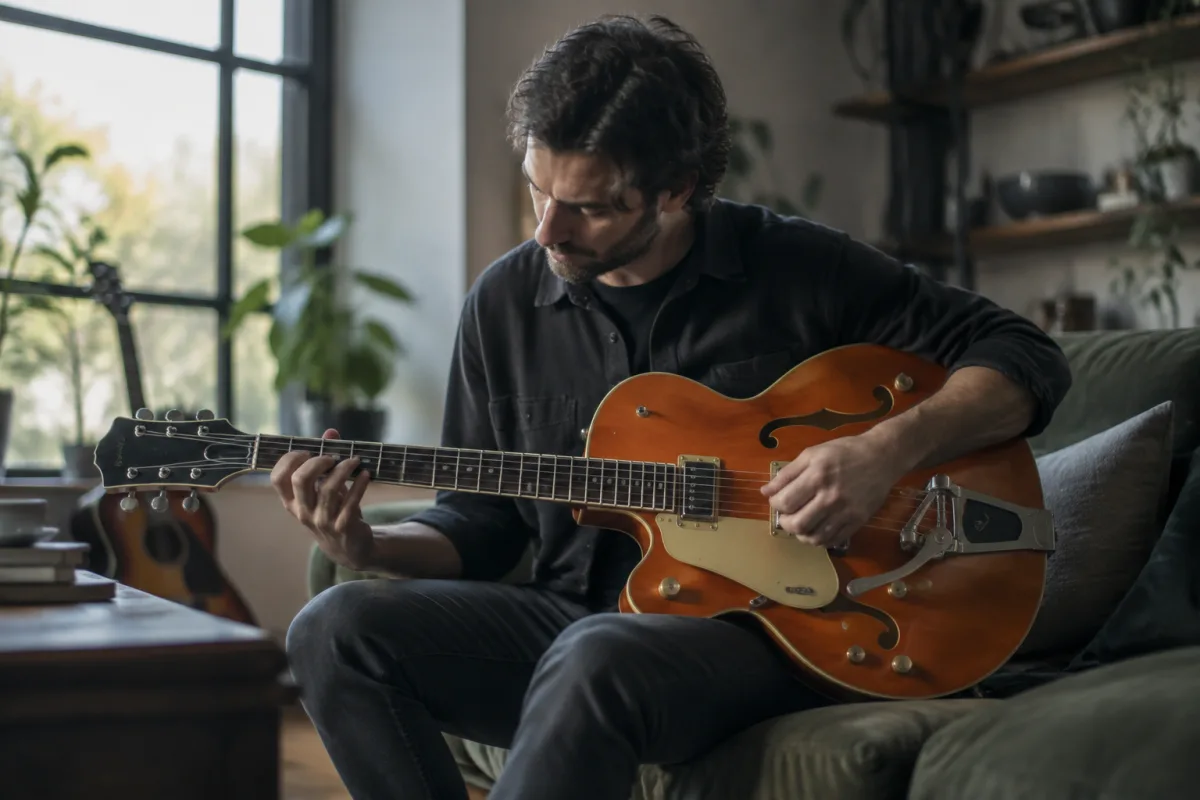
If you're left-handed and considering a Gretsch guitar, you're asking exactly the right question: finding quality instruments that actually fit your hand can feel like searching for a needle in a haystack. Gretsch makes exceptional guitars, but the question for beginners is whether choosing left-handed means compromising on variety, price, or specification. The answer is encouraging—with some preparation and understanding, a Gretsch left-handed guitar can be the perfect starting point for your playing journey.
The Left-Handed Guitar Landscape (and Why Gretsch Stands Out)
Left-handed guitars are rarer than right-handed ones, which means most manufacturers produce fewer models in southpaw configuration. Gretsch, however, actively builds left-handed versions across many of their most popular ranges. This matters because you're not settling for a compromise model; you're getting a guitar engineered for left-handed playing from the ground up. The action, neck profile, and hardware alignment are all proper, not retrofitted.
Compared to boutique makers who might charge premiums for left-handed versions, Gretsch pricing stays relatively reasonable. Compared to less guitar-friendly brands, you're getting tone and build quality that won't leave you wishing you'd spent differently in two years.
Why Beginner Players Should Consider Gretsch (Even If You've Never Heard of Them)
Gretsch guitars are legendary for their warm, articulate tone—particularly prised in rock, blues, country, and punk. For beginners, this matters because a guitar that sounds inspiring at low volumes means you'll practise more. A Gretsch left-handed guitar won't demand perfect technique to sound decent; it rewards good playing immediately, which builds confidence.
Additionally, Gretsch's construction philosophy favours playability. The neck profiles are comfortable, the frets are well-dressed, and the setups from the factory are typically solid. You won't spend your first month fighting an instrument that needs professional adjustments.
Gretsch Left-Handed Models: What's Actually Available to Beginners?
| Model Range | Price Bracket | Best For | Availability |
|---|---|---|---|
| Streamliner Series | £400–600 | Beginners wanting Gretsch tone without breaking the bank | Most models available left-handed |
| Electromatic Series | £300–500 | Budget-conscious players seeking authentic Gretsch character | Selected models; check before ordering |
| G5000 / G5200 Professional | £1,000+ | Serious beginners or upgraders willing to invest | Limited; may require special order |
| Vintage Select Reissues | £1,500+ | Collectors or advanced players (overkill for most beginners) | Rare left-handed; check with retailers |
The Good News: Left-Handed Availability Is Improving
Unlike five or ten years ago, Gretsch now recognises the left-handed market. Many authorised dealers stock left-handed models, and online retailers increasingly list them. However, availability does vary by model and region. Before committing to a specific guitar, confirm it's in stock or that a special order fits your timeline and budget expectations.
Common Misconceptions About Left-Handed Gretsch Guitars (and the Truth)
- Myth: Left-handed Gretsch guitars cost significantly more.
Reality: Gretsch prices left-handed models comparably to right-handed equivalents. You might pay slightly more for special-order items, but not dramatically. The real cost difference comes from rarity—you may need to order from further afield. - Myth: Gretsch left-handed guitars are "lesser" versions of right-handed models.
Reality: Gretsch mirrors the specifications precisely. The tonewoods, pickups, hardware, and construction methods are identical. You're getting the same instrument, just configured for your hand. - Myth: You'll regret being left-handed once you start learning, so you should "learn right-handed."
Reality: Playing cross-handed is unnatural for most left-handed players and leads to poor posture, slower technique development, and frustration. Play the hand you were born with; guitars exist for both. - Myth: No one repairs left-handed guitars, so you're stuck if something breaks.
Reality: Any competent guitar tech can service a left-handed guitar. The only minor difference is stringing and intonation setup. This is trivial for professionals.
Choosing Between Budget, Mid-Range, and Premium Gretsch Left-Handed Models
If your budget is £300–500: The Electromatic Series offers exceptional value. You're getting authentic Gretsch character—semi-hollow body, Filter'Tron pickups, and warm tone—at a price that won't devastate your wallet if you decide guitar isn't for you. These are genuine instruments, not toys.
If your budget is £500–800: The Streamliner Series is the sweet spot for most beginners. Better pickups than Electromatic, superior hardware, and construction that'll last decades with basic care. This range represents the best value-to-quality ratio for left-handed Gretsch guitars.
If your budget is £800+: You're entering professional-grade territory. Gretsch G5000 and higher models are brilliant, but overkill for true beginners. Unless you have specific tone requirements or plan to gig within months, save the premium price for later.
What to Check Before Buying a Left-Handed Gretsch
Once you've identified a model within your budget, verify these essentials:
- Left-handed configuration: Confirm the headstock, bridge, and hardware are all genuinely mirrored. Photos should show the tuners on the left side.
- Fretboard condition: Look for any dings, fret sprout, or irregularities. Left-handed guitars should receive the same inspection as any instrument.
- Neck straightness: Sight down the fretboard from the headstock to the body. A straight neck is essential; any significant bow requires professional truss-rod adjustment.
- Action height: Ask the retailer for action measurements at the first and twelfth frets. Beginner-friendly action is typically 1.5–2.0mm on the bass side, slightly less on treble.
- Electronics (if applicable): For semi-hollow or hollow-body models, test that switches, tone controls, and volume pots all function smoothly without scratches or crackling.
- Return policy: Confirm you can return or exchange if the guitar arrives with issues or doesn't feel right in your hands.
Playing Your First Gretsch Left-Handed Guitar: What to Expect
The first time you pick up a Gretsch left-handed guitar, you'll notice the warmth immediately. Gretsch semi-hollow bodies resonate naturally, producing rich overtones even at low volumes. Your fingers will likely find the neck comfortable—Gretsch neck shapes are forgiving for beginners without being sloppy. The action should feel responsive without excessive finger pressure required.
Don't expect perfection immediately. Your untrained ear might not distinguish a £400 Gretsch from a £1,500 one by tone alone. Over time, as you develop your ear and technique, the quality differences become obvious. For now, focus on whether the guitar feels good to hold and whether the sound motivates you to practise.
Building Community With Your Left-Handed Gretsch
One unexpected benefit of owning a distinctive left-handed instrument is the community connection. Left-handed musicians often bond over the shared experience of finding instruments, troubleshooting left-specific gear, and celebrating brands that actually build for them. Online forums, local music shops, and social communities exist specifically for left-handed musicians—resources Gretsch beginners tap into regularly.
For deeper exploration of Gretsch guitars in all configurations and price ranges, our complete guide to Gretsch left-handed guitars covers the full spectrum. This guide focuses on making your first purchase straightforward and confident.
Your Next Steps
Buying a left-handed Gretsch guitar as a beginner is not a compromise—it's choosing a brand that respects your needs and delivers instruments you'll love playing. Start by browsing authorised retailers' left-handed inventory, note three models that appeal to you visually and tonally, and if possible, play one. If you can't play before buying (common for left-handed models in some regions), trust the reviews, confirm the return policy, and order with confidence.
Your left hand deserves an instrument built for it. Gretsch makes sure you get one.



Comments