


Gretsch Left Buying guide
Gretsch Left: A Complete Buyer's Guide
Finding the right left-handed Gretsch guitar doesn't have to be daunting. This buying guide breaks down body styles, pickups, build quality and price tiers to help you make a confident choice.
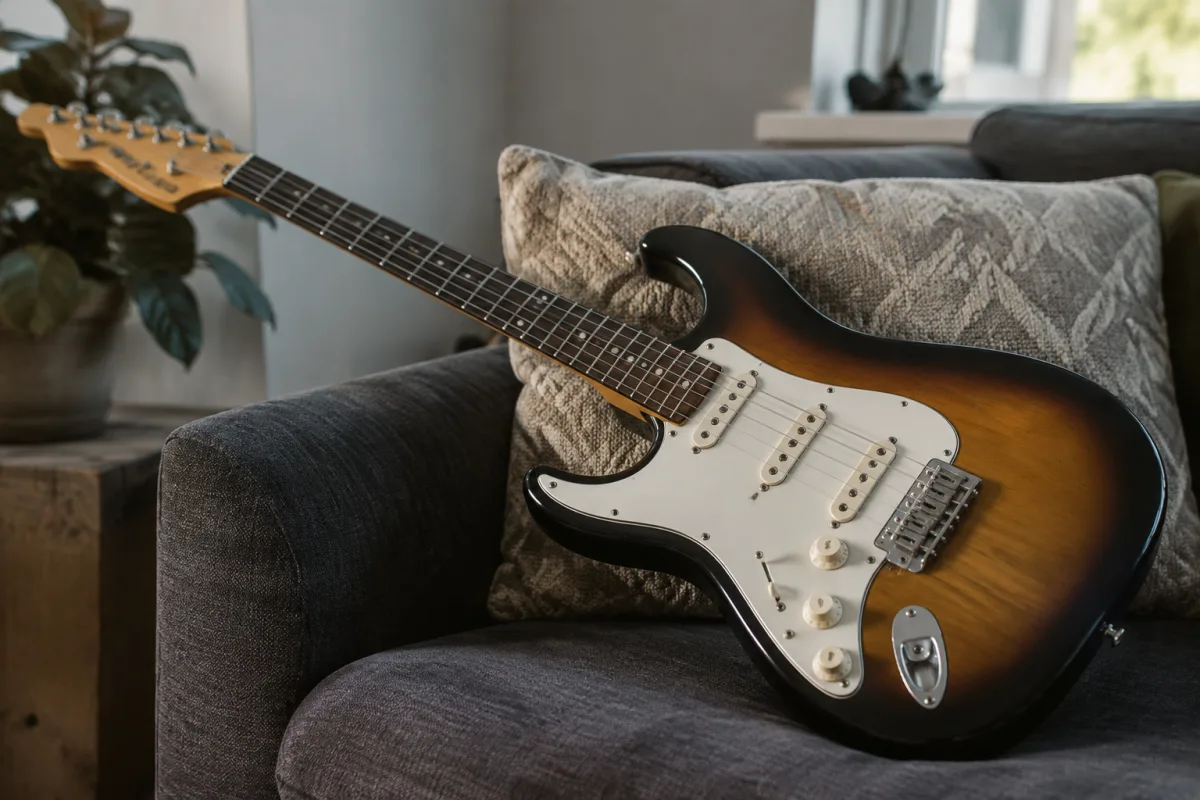
Finding the right left-handed Gretsch guitar can feel like a proper challenge, especially when your options are more limited than those of right-handed players. But Gretsch’s commitment to catering for left-handed musicians means you’ve got genuine choices — and knowing what to look for makes all the difference when you’re ready to invest.
Why Gretsch Left-Handed Guitars Matter
Gretsch has built a reputation for making instruments that work brilliantly for left-handed players. Unlike many brands that treat lefty options as an afterthought, Gretsch designs genuine left-handed guitars with properly placed controls and hardware that responds naturally to a southpaw’s playing style. Whether you’re stepping up from a beginner’s model or you’re a seasoned player switching brands, understanding what sets Gretsch left-handed guitars apart will help you make a choice you won’t regret.
Understanding Gretsch Left-Handed Body Styles
Gretsch offers several iconic body styles to left-handed musicians, each with its own character and best use cases. The semi-hollow Electromatic and Streamliner ranges are bread-and-butter workhorses, packed with Gretsch’s signature jangly tone that cuts through a mix beautifully. If you want something more upmarket, the solid-body Jet series delivers dark, punchy character perfect for rock and blues, whilst the Falcon and Country Club models sit at the premium end, offering that distinctly Gretsch warmth and playability.
When choosing your body style, think about where you’ll play most often. A semi-hollow Electromatic works wonderfully for gigging musicians who want classic Gretsch tone without the investment of a high-end model. Solid-body Jets are ideal if feedback is a concern on smaller stages. And if you’re recording or playing larger venues, the traditional semi-hollow models give you authentic tone and room to breathe.
Pickup Configuration — The Heart of Your Tone
Gretsch left-handed guitars come with several pickup options, and getting this right is crucial because it shapes your fundamental sound. Budget and mid-range models typically feature cheaper pickups that are perfectly serviceable but lack the nuance and resonance of higher-end versions. As you move up the price ladder, you’ll encounter Gretsch’s proprietary pickups, FilterTron (often found on semi-hollow models) and TV Jones pickups (favoured by professionals), which offer vintage character with surprising clarity.
FilterTron pickups deliver that classic Gretsch jangle and work beautifully for jazz, indie rock and alternative styles. TV Jones pickups (available on higher-end models) give you more punch and definition, making them ideal if you play rock or blues. Some models offer passive pickups paired with a switchable pickup voicing circuit, which is a clever way to expand your tonal palette without changing pickups.
What to Check Before Buying
Build quality and attention to detail separate good Gretsch left-handed guitars from exceptional ones. Here’s what to scrutinise:
- Hardware finish: Chrome plating should be even and durable. Tarnishing or inconsistent finish on a new guitar is a red flag.
- Fret work: Run your fingers along the fretboard — any crown or dips mean poor setup or substandard craftsmanship.
- Nut and bridge: A properly dressed bone or synthetic nut keeps your guitar in tune and playable across the entire fretboard. Cheap nuts cause tuning instability.
- Control layout: For left-handed models, verify that all controls are logically placed for a southpaw player and function smoothly without binding.
- Truss rod access: On a left-handed guitar, ensure the truss rod is accessible and adjustable without unnecessary hassle.
Play test any Gretsch left-handed guitar thoroughly if you can. Listen for sustain, check how the pickups respond across the fretboard, and verify that the bridge, nut and electronics are all in top condition. A guitar that plays beautifully fresh out of the box requires less future maintenance and investment.
Price Tiers — Finding Your Sweet Spot
Gretsch left-handed guitars span a wide price range, and understanding what you get at each level helps you spend wisely.
| Price Range | Model Range | Best For | What You Sacrifice |
|---|---|---|---|
| £300–600 | Streamliner / Budget Electromatic | Beginners and experimenters | Pickup quality, finish detail, resale value |
| £600–1,200 | Standard Electromatic | Gigging musicians, hobbyists | High-end pickups, premium hardware |
| £1,200–2,000 | Semi-hollow with FilterTron | Serious players seeking tone | Limited’ — solid build, great pickups |
| £2,000+ | Falcon, Country Club, USA-made | Professionals, tone enthusiasts | Nothing — exceptional quality throughout |
Don’t assume that a lower price automatically means a bad choice. A well-maintained mid-range Electromatic will outlast a neglected premium model. That said, if you plan to keep the guitar for a decade or more, the investment in a higher-tier model often pays dividends in durability, resale value and the simple pleasure of playing an instrument that responds beautifully to your touch.
Common Pitfalls to Avoid
Left-handed guitarists sometimes make a few predictable mistakes when shopping for a Gretsch. Don’t rush into a purchase without playing the actual guitar you’re buying (mail order is risky for this reason). Avoid models with cheap hardware or questionable fretwork, even if the price seems attractive. Don’t overlook pickup quality — a premium guitar with inferior pickups feels like a missed opportunity. And don’t assume that vintage Gretsch left-handed models are necessarily better; many older instruments lack modern refinements and may have hidden damage or wear that affects playability.
Also, verify that you’re buying a true left-handed model, not a right-handed guitar strung backwards. Proper left-handed guitars have the strap button repositioned, the jack positioned for comfort, and the neck cutaway shaped for a southpaw. These details matter for both comfort and playability.
Where to Buy and What to Look For in a Seller
Reputable music retailers, both online and in person, are your safest bet for a genuine Gretsch left-handed guitar. Authorised dealers typically offer warranties, reasonable return policies and professional setup before dispatch. Private sales and secondhand markets can yield bargains, but carry higher risk — always ask for provenance, check serial numbers against Gretsch’s database, and have a luthier inspect any used instrument before you commit your money.
If you’re buying secondhand, look for signs of heavy use that might indicate structural problems: hairline cracks around the neck joint, loose or missing hardware, or frets worn down to the fretboard underneath. Minor cosmetic wear is fine and can even drop the price in your favour, but avoid structural issues that a technician would charge a fortune to fix.
Final Thoughts: Making Your Choice
A great Gretsch left-handed guitar is an investment in your playing future. Start by identifying which body style and pickup configuration match your musical goals, then set a realistic budget that balances your needs with what you can afford. Take your time playing candidates in person, ask questions and trust your instincts. For more context on Gretsch guitars broadly, explore the complete guide to Gretsch left-handed models, which covers history, heritage and the full range of options available to you.
The right Gretsch left-handed guitar will inspire you to play, stand up to the rigours of gigging or home recording, and deliver the Gretsch magic that drew you to the brand in the first place.
FAQ
What’s the difference between Electromatic and semi-hollow Gretsch guitars?
Electromatic models are budget-friendly and typically feature thinner, partially hollow bodies with cheaper pickups. Semi-hollow Gretsch guitars at higher price points use better pickups (like FilterTron), thicker wood and superior hardware, resulting in richer tone and superior sustain.
Are left-handed Gretsch guitars harder to resell than right-handed ones?
Yes, left-handed instruments have a smaller buyer pool. However, a well-maintained Gretsch left-handed guitar holds its value reasonably well, especially if it’s a sought-after model or higher-end version. Budget models depreciate more sharply.
Should I buy a vintage left-handed Gretsch or a modern one?
Modern left-handed Gretsch guitars benefit from superior manufacturing techniques, better hardware and more consistent quality control. Vintage models have character and tone, but may require expensive repairs or setups. For your first Gretsch, a new instrument is often the smarter choice.
What pickup configuration works best for blues on a left-handed Gretsch?
TV Jones pickups or FilterTron pickups are excellent for blues. FilterTron gives you that classic jangly Gretsch character, whilst TV Jones pickups deliver more punch and sustain. Either pair beautifully with blues playing.
Can I modify or upgrade a budget Gretsch left-handed guitar?
Absolutely. Swapping pickups, upgrading the nut and bridge, and improving the wiring can transform a budget model. However, labour costs add up quickly. If upgrades would exceed the cost of a mid-range model, buying the better guitar outright might make more financial sense.
How do I know if a left-handed Gretsch is a genuine model and not a strung-backwards right-handed guitar?
True left-handed models have the jack positioned on the lower bout for comfort, strap buttons placed for a southpaw, and the neck cutaway shaped for left-handed access. Check Gretsch’s official website or ask the seller for the model designation to confirm authenticity.


Comments