


Tune Guitar Fender Buying guide
Tune Guitar Fender: A Complete Buyer's Guide
Choosing a Fender guitar tuner? Our buyer's guide compares clip-on tuners, the Fender Tune app, and shows you what features actually matter.
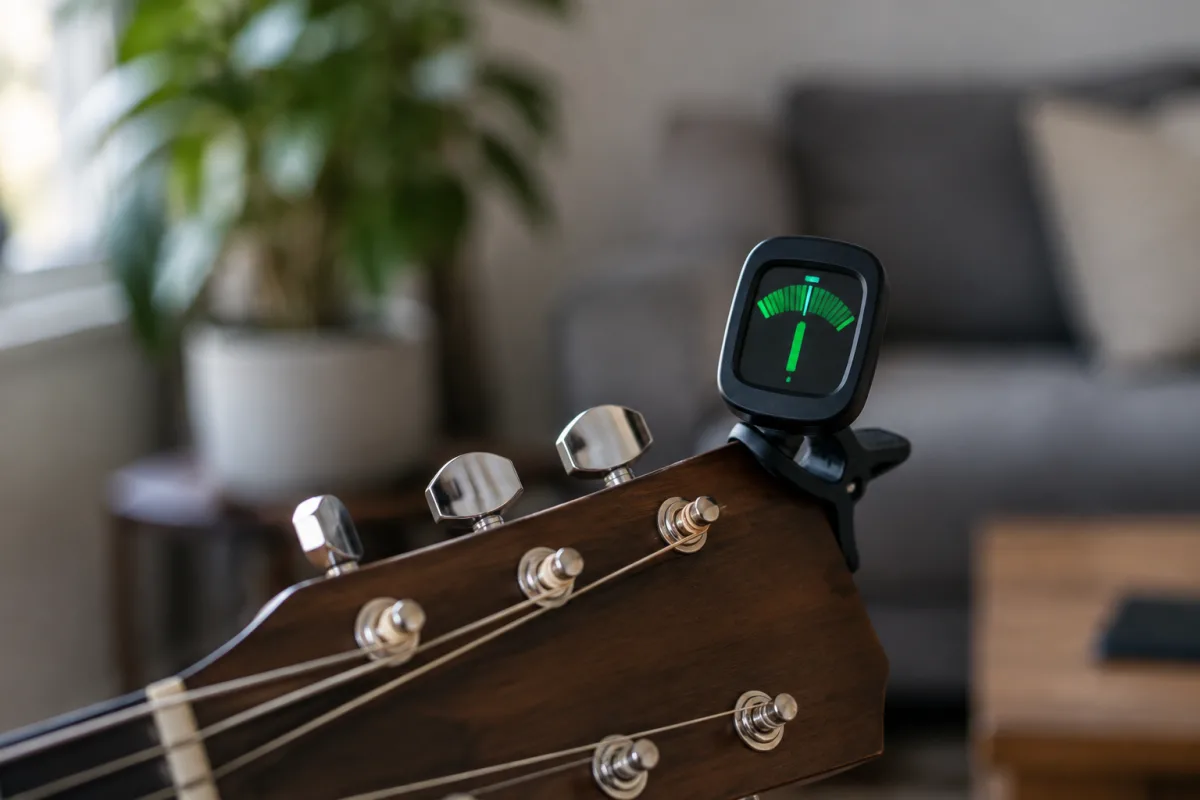
Choosing the right tune guitar fender solution depends on how seriously you're taking tuning accuracy, your budget, and whether you prefer digital devices or software apps. Fender offers multiple tuning solutions for different preferences and price points. This buying guide cuts through the confusion and shows you exactly what to evaluate before investing in a tune guitar fender option.
The Fender Tune Guitar App Versus Hardware Tuners
Fender's digital tune guitar fender app runs on your smartphone and offers convenience—it's always with you. However, smartphone tuners have limitations: they require your phone's microphone to detect string vibrations, which works but adds variables (background noise, microphone quality, phone placement). Hardware clip-on tuners attach directly to your headstock and detect vibrations mechanically, which is more accurate and faster. For serious players, a dedicated hardware tuner outperforms any app. For casual players, the tune guitar fender app on your phone works fine and saves money.
Clip-On Tuner Accuracy: What Matters Most
When evaluating tune guitar fender clip-on tuner options, accuracy is paramount. Look for devices that detect within ±1 cent (a cent is one-hundredth of a semitone). Most modern clip-on tuners deliver this level of precision. The real difference appears in speed—how quickly the tuner detects and displays the note. Fast tuners let you tune rapidly; slow tuners frustrate you during setup. Read reviews specifically about response time when shopping for a tune guitar fender tuner.
Display Type: LED Versus LCD Versus App Interface
A tune guitar fender tuner's display affects usability. LED displays are bright and visible in sunlight but show less detail. LCD displays offer more information (exact cents off-pitch, note name clearly) and work well indoors but might be hard to read outside. Smartphone app displays vary by phone—newer phones display clearly; older models might be harder to read in bright conditions. For gigging musicians, the tune guitar fender clip-on tuner with a bright LED display usually performs better than smartphone apps in real-world venues.
Key Features to Compare When Buying
Beyond basic tuning, various tune guitar fender options include additional features worth evaluating:
- Tuning modes: Most tuners include standard, drop-D, and open tunings. Some advanced models offer custom tunings. Verify the tune guitar fender tuner supports the tunings you actually use.
- Chromatic versus guitar-specific: Chromatic tuners detect any note; guitar-specific models detect guitar strings. For guitar-only use, either works, but chromatic is more versatile if you play multiple instruments.
- Calibration adjustment: Professional musicians need tuners calibrating to A=432 or other non-standard frequencies. Most tune guitar fender basic models fix A at 440Hz.
- Sensitivity settings: Better tuners let you adjust sensitivity, useful when tuning in noisy environments. The tune guitar fender app typically lacks this control.
- Battery life: Clip-on tuners run for days on batteries; check the tune guitar fender model's battery duration. Apps depend on your phone battery.
- Durability: A clip-on tune guitar fender tuner gets handled regularly. Check materials and build quality; cheap plastic fails quickly with gigging musicians.
Price Tiers: What Investment Level Makes Sense
Understanding pricing helps match features to needs. The tune guitar fender app costs nothing and works adequately for beginners. Basic clip-on tuners (£10-30) deliver solid accuracy and speed. Mid-range models (£30-70) add features like display options, multiple tuning modes, and better durability. Premium tuners (£70+) offer advanced features and superior build quality. Most dedicated players find the mid-range tune guitar fender clip-on tuner offers the best balance of features, accuracy, and value.
Common Buying Mistakes With Guitar Tuners
Learning from others' purchase experiences saves frustration. These are the mistakes people make buying a tune guitar fender solution:
- Prioritising price over accuracy: The cheapest tune guitar fender tuner might frustrate you with slow detection. Spend enough to get a tuner that performs reliably.
- Assuming smartphone apps are adequate: The tune guitar fender app works, but environmental noise and microphone limitations create problems in real venues and noisy rooms.
- Overlooking response time: A tune guitar fender tuner might be accurate but slow. Slow detection means waiting for the needle to settle—inefficient during setup.
- Buying a tuner with unnecessary features: Advanced tune guitar fender models offer complex settings you won't use. Choose one matching your actual needs, not future aspirations.
- Ignoring durability in high-use situations: If you gig regularly, invest in a robust tune guitar fender clip-on tuner. Cheap plastic breaks fast under real-world use.
- Not considering your environment: A tune guitar fender app works in quiet studios; a clip-on tuner works everywhere (venues, outdoor gigs, noisy rooms).
Testing Accuracy: How to Verify Before Buying
When you can audition tuners in-store, test the tune guitar fender option alongside your phone's tuner app. Pluck a string and see how quickly each responds and whether readings match. Try different string volumes and angles. A quality tune guitar fender clip-on tuner responds identically whether you pluck loud or soft. Apps might struggle with quiet strings. The tuner showing faster, more confident readings is the better choice.
Clip-On Tuner Placement Matters More Than People Realise
A tune guitar fender clip-on tuner detects vibrations through the headstock. Placement directly on the headstock, perpendicular to string vibration, gives the most accurate readings. Twisted or angled mounting reduces accuracy. When shopping for a tune guitar fender tuner, verify it includes a flexible clip that positions the sensor correctly on your specific headstock shape.
For comprehensive information on all tuning options and the Fender Tune app capabilities, our ultimate guide to Fender Tune guitar tuner app covers every feature and practical application.
Your Purchasing Decision
Choosing a tune guitar fender solution comes down to your playing environment and accuracy requirements. Casual bedroom players find the free tune guitar fender app satisfactory. Gigging musicians and players who value speed and accuracy invest in a mid-range clip-on tuner. There's no universally "best" tune guitar fender option—only the best fit for your specific situation. Assess your actual needs, test options if possible, and make your choice accordingly.



Comments