


Tune Guitar Fender article
The Ultimate Guide to Fender Tune Guitar Tuner App
Keeping your Fender guitar in tune is essential for playing in key and maintaining instrument health. Learn the complete tuning process from fundamentals to troubleshooting.
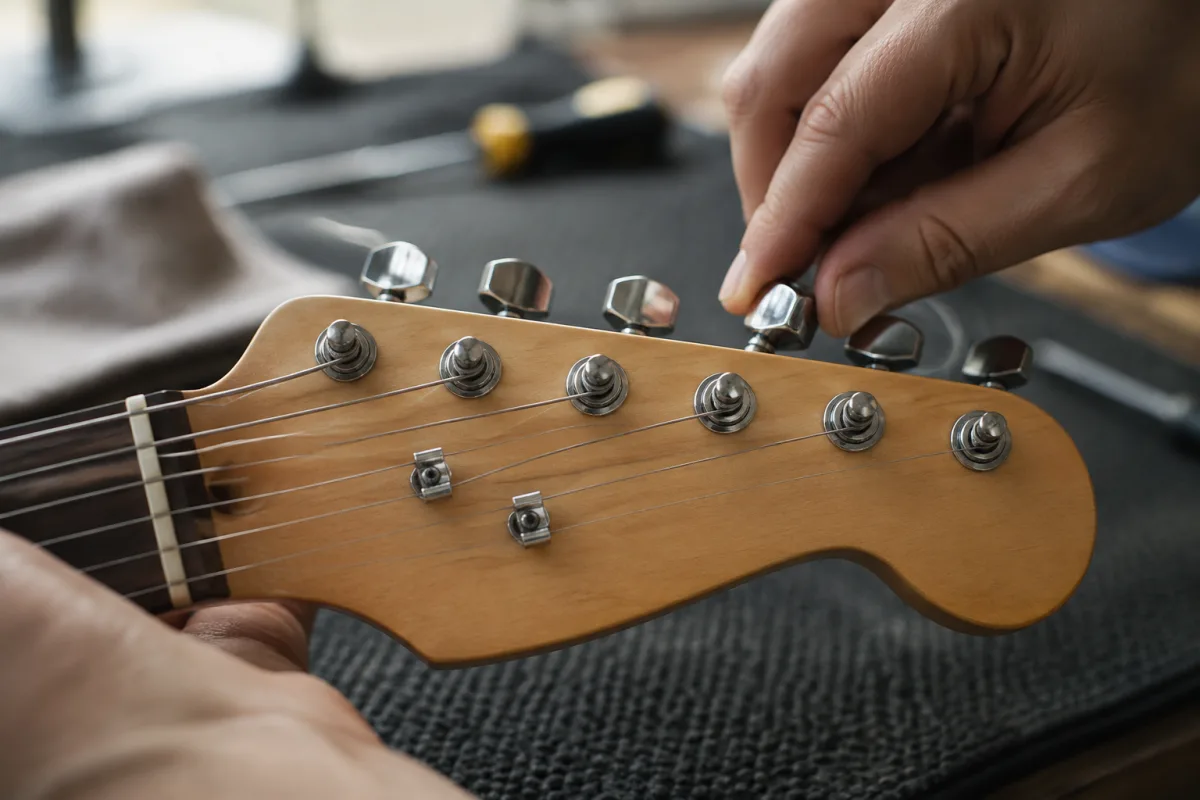
Keeping your Fender guitar in tune is essential for playing in key and maintaining instrument health. The good news is that tuning a Fender guitar is straightforward once you understand the fundamentals. This guide walks through the complete process, from understanding standard tuning to troubleshooting persistent tuning problems.
Understanding Standard Tuning
Fender guitars, like most modern guitars, use standard tuning: E-A-D-G-B-E from the thickest to thinnest string. This tuning balances playability, range, and comfort. When learning to tune your Fender, memorising this sequence helps tremendously.
Each string has a corresponding tuning post at the headstock. The thickest string (low E) uses the leftmost post, with the sequence continuing down the line. Understanding this relationship between strings and posts prevents confusion during the tuning process.
Methods for Tuning Your Fender
Several reliable methods exist for tuning a guitar. The most practical modern approach uses an electronic tuner—a small device that detects pitch and displays whether each note is sharp, flat, or in tune. These tuners are affordable, accurate, and work indoors or outdoors.
A more traditional method involves ear training—listening to each string and adjusting until the note matches your intended pitch. This develops aural skills but requires reference notes from a piano, app, or previously tuned instrument. Most players combine both methods, using a tuner for precision and developing their ear simultaneously.
Using an Electronic Tuner Correctly
Turn on your electronic tuner and select chromatic mode, which detects any note. Pluck the lowest string (low E) gently whilst the tuner displays the pitch. If the tuner shows the note is flat—meaning lower than the target pitch—turn the corresponding tuning post clockwise to tighten the string and raise its pitch.
Conversely, if the note is sharp, turning the post counter-clockwise loosens the string, lowering its pitch. Make small adjustments, checking the tuner after each turn. Avoid sudden large turns that might damage the guitar or make the string too difficult to control.
Work methodically through each string: low E, A, D, G, B, and high E. Once all strings show correct tuning on the device, your Fender is properly tuned.
Tuning Machine Stability
Fender guitars feature tuning machines—the gears that adjust string tension. Quality Fender tuning machines hold tension reliably, keeping the guitar in tune between sessions. Some players find their tuning machines slip occasionally, requiring frequent re-tuning.
Slipping tuning machines might indicate worn components needing replacement. Fender supplies replacement tuning machines, and any competent luthier can install them. This relatively inexpensive repair dramatically improves instrument stability.
String Stretch and New Strings
Fresh strings require more frequent re-tuning during their first week of use. New strings gradually stretch, causing pitch to drop progressively. Expect to tune your Fender multiple times daily for the first few days with new strings, then less frequently as they settle.
Accelerating string break-in helps. After installing fresh strings and tuning to pitch, gently pull each string away from the fingerboard, applying moderate tension. This controlled stretching helps strings stabilise faster than normal playing.
Environmental Factors Affecting Tuning
Temperature and humidity affect wood dimensions, which impacts string tension and tuning stability. A Fender stored in a warm, dry room might drift sharp as the wood shrinks slightly. Conversely, humid environments cause the wood to swell, potentially going flat.
Maintaining consistent room temperature and humidity preserves tuning stability. Cases and gig bags protect guitars from extreme environmental swings. Professional musicians often re-tune shortly before performing, accounting for temperature differences between storage and stage.
Intonation Adjustment Beyond Tuning
Once your Fender is tuned at the headstock, intonation refers to whether the guitar plays in tune across the entire fretboard. A Fender with perfect tuning at the headstock might play sharp or flat in higher positions if the bridge needs adjustment.
Bridge saddle placement determines intonation. Most Fender bridges allow small adjustments to the saddle position, accessible through bridge adjustment screws. This fine-tuning requires knowledge of proper technique; seeking professional help prevents damage to your instrument.
Troubleshooting Tuning Problems
If your Fender won't hold tune, several possibilities exist. Slipping tuning machines might be responsible. Alternatively, the bridge nut—where strings pass over before reaching the tuning machines—might have worn grooves causing strings to bind.
Damaged frets can also affect tuning. If strings contact the fretboard at certain positions, they might buzz or choke slightly, affecting perceived pitch. A professional inspection identifies these issues accurately.
Regular Maintenance for Tuning Stability
Keeping your Fender properly maintained supports consistent tuning. Ensure the nut isn't cracked or damaged. Wipe down strings after playing to remove sweat and oil that degrade tuning stability. Store your guitar in a case to minimise environmental exposure.
Inspect tuning machines periodically for loose screws or bent posts. Address minor issues immediately before they become major problems affecting playability.
Conclusion
Tuning your Fender guitar is a fundamental skill that takes only minutes to master. Start with an electronic tuner for accuracy, work systematically through the strings, and develop your ear over time. With consistent practice, you'll tune your Fender quickly and confidently, keeping your instrument in peak playing condition and sounding its best.





Comments