


Fender Gig Bags article
Fender Gig Bags for Beginners: A Complete Guide
A Fender gig bag is affordable insurance for your guitar. Here's what makes them reliable and how to choose the right one for your instrument type.
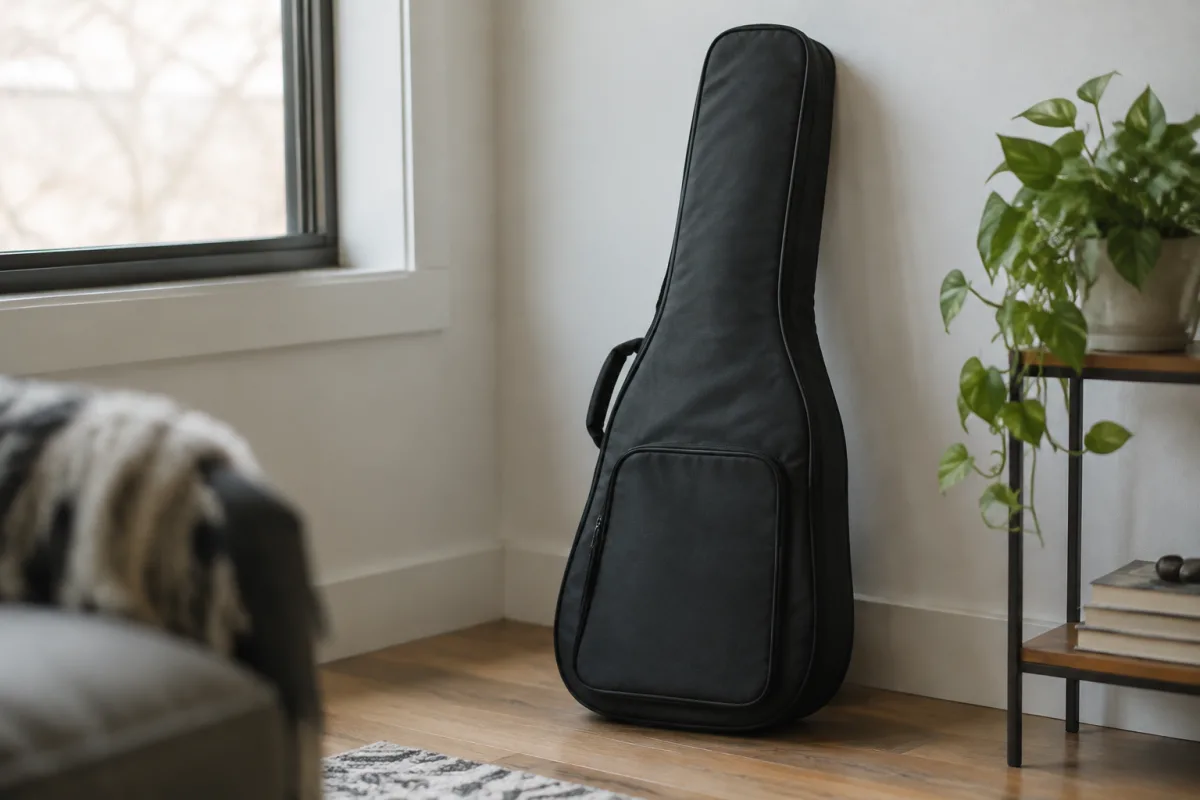
Protecting Your First Guitar: A Fender Gig Bag Beginner's Guide
You've just bought your first guitar, and now you're wondering what to keep it in. A gig bag seems like an obvious next step, but you're probably not sure what "good enough" actually means or whether a Fender gig bag is overkill. Here's the reassuring truth: a proper gig bag is one of the best investments you can make for your instrument, and Fender bags are genuinely reliable without being extortionate.
Why Your Guitar Needs a Bag (Not Just a Case)
A gig bag is a soft-sided case—somewhere between a flimsy guitar strap and a hard flight case. Guitars are resilient, but they're also wood and metal strung with tension. Transport it unprotected in a car, and a sudden bump can crack the headstock or dent the body. A gig bag absorbs that impact and keeps your guitar safe.
Hard cases offer more protection, but they're bulky and expensive (£150+). For most players—especially beginners—a gig bag hits the sweet spot: it's affordable (£30–80 for Fender), portable enough to carry in one hand, and genuinely protective for everyday use and band rehearsals.
What Makes a Fender Gig Bag Different
Fender gig bags are affordable and reliable. They're not fancy, but they're built to withstand regular use and they're readily available. Here's what you get:
- Padded exterior: Typically 10–15mm foam padding. This absorbs bumps and minor drops. It won't protect you if you drop your guitar down stairs, but it handles normal wear.
- Reinforced handles: Fender bags have sturdy nylon handles that won't tear after a few weeks of use. Cheap bags often have thin handles that split under weight.
- Zippered pockets: Small external pockets for picks, spare strings, and tuner. Not glamorous, but genuinely useful for keeping essentials organised.
- Neck support: The bag holds your guitar's neck secure, preventing it from shifting during transport. A shifting neck can bend the truss rod or crack the headstock—catastrophic damage. Fender bags keep the neck locked.
- Shoulder strap: A padded strap lets you carry the bag over your shoulder, freeing both hands. Essential for getting to rehearsals or gigs without juggling.
- Decent zippers: Fender uses reliable hardware. Budget bags often have zippers that jam or break. Fender's zippers slide smoothly and feel secure.
Matching Your Bag to Your Guitar
Fender makes gig bags for different guitar types. Here's what matters:
Acoustic guitar bag: Wider, with a deeper body pocket to accommodate the acoustic's wider, thicker body. If you're carrying an acoustic, don't try to squeeze it into a dreadnought bag designed for electrics—it won't fit properly and your guitar will shift.
Electric guitar bag: Shaped for Stratocaster or Telecaster bodies. Narrower and more compact than acoustic bags. Fits most solid-body electrics comfortably.
Classical/nylon-string bag: Similar dimensions to electric bags, but designed for the wider neck and slightly different body shape of classical guitars. If you're carrying a nylon-string, get a bag designed for it.
Bass guitar bag: Significantly longer and deeper than guitar bags. Don't try to squeeze a bass into a standard guitar gig bag—it won't fit, and your bass will suffer.
Check your guitar's body type before buying. Fender's product pages clearly state which instruments fit.
Understanding Padding Thickness
Fender bags typically offer 10mm or 15mm padding. Here's what each offers:
10mm padding: Standard protection. Adequate for everyday use, rehearsals, and local gigs. It's lighter to carry and compresses enough to fit in car trunks easily. Good for beginners.
15mm padding: Premium protection. Better for regular gigging or touring. Thicker padding absorbs larger impacts and protects against temperature swings better. Worth the extra £10–15 if you gig regularly.
For your first bag as a beginner, 10mm is fine. You can always upgrade if you start gigging heavily.
Where Gig Bags Fall Short: Know the Limits
A gig bag is NOT a hard case. It won't protect your guitar if:
- You drop it from shoulder height or higher.
- You sit on it or apply direct pressure (the back can dent or even collapse).
- You check it as luggage on an aeroplane. Baggage handlers will destroy a soft case.
- Your car is hit by another vehicle. Soft padding can't absorb that kind of impact.
For airport travel, a hard case is non-negotiable. For everyday use, a gig bag is perfect.
Maintenance and Care for Your Gig Bag
A Fender gig bag will last years with basic care:
- Wipe it down monthly: Dust and dirt accumulate on the nylon exterior. A damp cloth keeps it clean and extends its life.
- Check zippers regularly: If a zipper starts to jam, stop and gently work it back. Don't force it—you'll break it. A tiny drop of silicone lubricant on a stuck zipper can help.
- Store it indoors: Leaving a gig bag in a hot car or damp garage degrades the nylon and foam. Store it in a cool, dry place.
- Inspect the shoulder strap: Look for tears or loose stitching. A strap failure mid-carry is dangerous. If you spot damage, repair it immediately with needle and thread or take it to a tailor.
Common Beginner Concerns
"Isn't a gig bag just as expensive as a hard case?" No. Fender gig bags run £30–80. Hard cases for the same guitar run £150–300. A gig bag costs far less and is entirely adequate for casual playing.
"Can I fit my acoustic into an electric guitar bag?" Not safely. Acoustic bodies are wider and deeper. Forcing it in will damage both the bag and the guitar. Buy the correct bag type.
"Do I need a fancy brand or will any cheap bag work?" Cheap bags have flimsy handles, poor padding, and bad zippers. You'll outgrow them in weeks. Fender bags—or equivalent mid-range brands—are worth the extra cost. You'll use this bag hundreds of times. Spend the £50 once and forget about it.
"Will a gig bag protect my guitar if I'm flying?" No. For air travel, you absolutely need a hard case. Baggage handlers don't care about soft cases. A hard case is the only protection worth trusting at 30,000 feet.
First-Time Setup: Getting Your Guitar into the Bag
Putting your guitar into a gig bag for the first time feels fiddly. Here's the process:
- Loosen the tuning pegs slightly—this reduces tension on the neck during transport (just a quarter-turn on each peg, enough to feel a tiny amount of slack).
- Open the bag fully and lay it flat.
- Slide your guitar body-first into the main compartment. The neck goes into the designated neck pocket.
- Secure the neck with the provided straps or velcro—your guitar should be locked in place and unable to shift.
- Zip up carefully. Ensure the zip doesn't catch the bag material.
- Fasten any velcro straps on the body to keep everything snug.
The first time takes a minute. After that, it becomes automatic.
The Bottom Line
A Fender gig bag is affordable insurance for your guitar. It won't replace a hard case for flying or heavy touring, but for everyday use, rehearsals, and local gigging, it's perfect. Fender bags are reliable, widely available, and cost-effective. Buy one that fits your guitar type, learn how to pack your instrument safely, and stop worrying about transport damage. Your guitar will stay safe, and you'll have one less thing to fret about on your way to practice.


Comments