


Fender Gig Bags Buying guide
Fender Gig Bags: A Complete Buyer's Guide
Selecting a Fender gig bag balances protection, portability, and cost. This guide covers padding specifications, protection tiers, touring vs. local gigging considerations, and common purchasing mistakes.
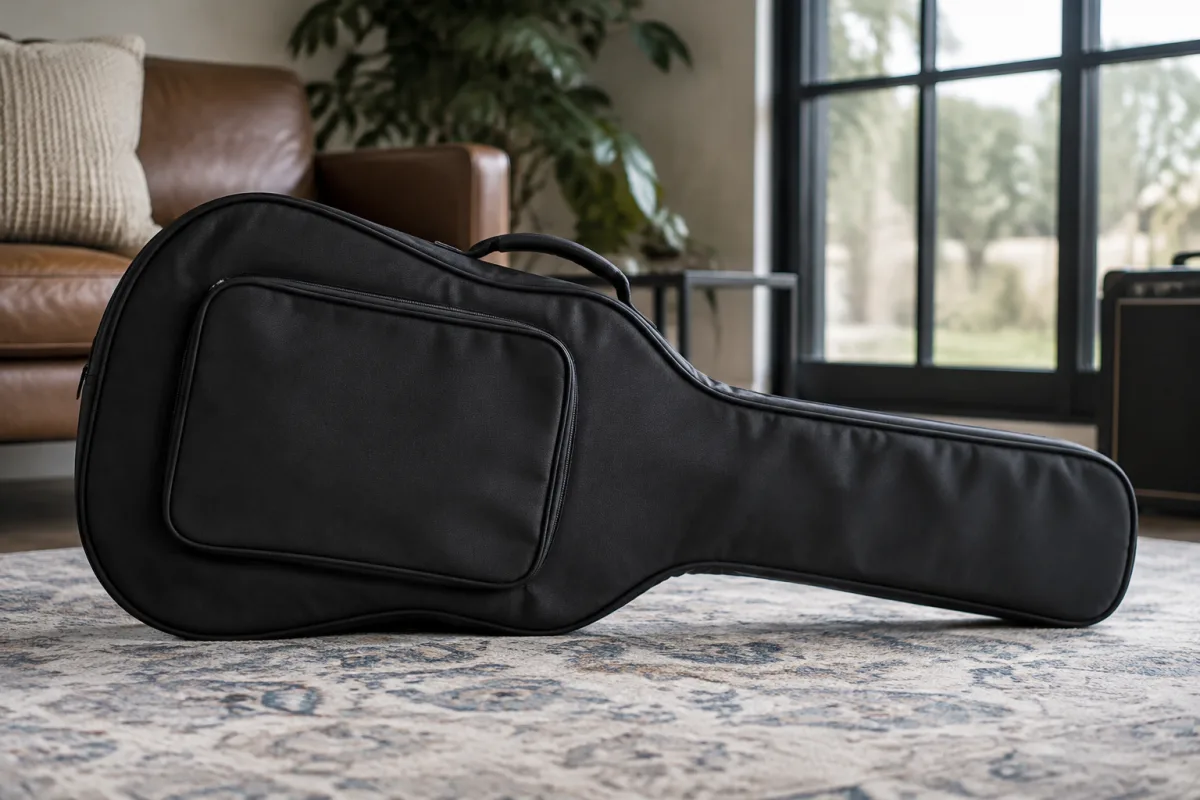
Your guitar deserves protection during transport and storage, and Fender gig bags offer reliable solutions across multiple price points and protection levels. Selecting the right Fender gig bag depends on understanding the balance between portability, padding thickness, durability, and your actual transport needs—whether you're playing weekly gigs, touring, or storing instruments long-term. This buying guide helps you choose Fender gig bags that protect your investment without overshooting your requirements.
Understanding Fender Gig Bag Categories
Fender manufactures gig bags across several distinct categories, each serving different protection and lifestyle needs:
- Lightweight Gigable Bags (£40–80): Thin nylon with modest padding (roughly 10–15mm). Offer basic ding protection and weather resistance for car-to-venue transport. Ideal for rehearsals, local gigs, and storage. Not recommended for touring or checked airline luggage.
- Standard Protection Bags (£80–150): Thicker padding (20–25mm), reinforced handles, weather-resistant exterior. Suitable for regular gigging, occasional travel, and long-term storage. The sweet spot for most players balancing protection and portability.
- Premium Travel Cases (£150–300): Heavy-duty rigid or semi-rigid construction, 30–40mm padding, TSA locks on airline-compatible bags, reinforced corners. Essential for touring, airline travel, and professional use. Substantially heavier but maximum guitar protection.
Critical Specifications When Evaluating
Understanding what specs matter prevents wasting money on unnecessary protection:
- Padding Thickness & Material: Measured in millimetres, padding directly correlates to impact absorption. 10mm handles minor bumps; 20mm absorbs moderate drops; 30mm+ protects against significant impact and temperature changes. Foam density matters as much as thickness; cheap foam compresses quickly and loses protection. Higher-end bags use multiple foam layers or EPS foam that maintains density longer.
- Interior Design & Compartments: Reinforced neck support prevents headstock damage during transport. Padded side panels protect the body. Internal pockets or dividers prevent strings and hardware from shifting. Assess whether interior layout matches your storage needs.
- Exterior Durability: Woven nylon resists punctures better than vinyl or plastic. Check seam stitching quality; poorly stitched bags fail at stress points after 1–2 years of regular use. Look for reinforced stitching, especially around handles and zippers.
- Handle & Strap Quality: Double-stitched handles support weight distribution. Padded shoulder straps reduce fatigue during long carries. Cheap handles tear under touring use; professional-grade handles withstand years of transport.
- Weatherproofing: Water-resistant exterior protects during outdoor storage or rainy transport. Sealed zippers prevent moisture ingress. Truly weatherproof bags cost more but prevent moisture-related damage, mould, and finish deterioration.
- Fit & Compatibility: Gig bags designed for standard dreadnoughts differ significantly from classical guitar bags. Ensure your specific guitar model fits properly; loose fit allows movement and reduces protection effectiveness.
Fender Gig Bag Price Tiers & Real Applications
Budget shapes which features you access. Understand what each tier genuinely delivers. See the complete guide to Fender gig bags for specific model comparisons:
- Budget Gigable Bags (£40–80): Lightweight, affordable, suitable for occasional gigging and rehearsals. Acceptable protection for short-distance transport from home to venue or rehearsal studio. Not touring-grade; doesn't protect adequately against checked baggage handling or climate extremes.
- Mid-Range Standard Bags (£80–150): The practical choice for most gigging musicians. Balances protection, portability, and cost. Withstands weekly gig transport, moderate travel, and long-term instrument storage. Build quality jumps noticeably from budget tier.
- Premium Travel Cases (£150–300+): Professional touring equipment offering maximum protection. Suitable for airline travel, frequent transit, climate-sensitive environments, and high-value instruments. Heavier and less portable but indispensable for serious musicians and valuable guitars.
Fender Gig Bag Selection by Playing Situation & Lifestyle
Your actual needs shape which bag fits best:
- Rehearsal & Local Gigging (Under 50 miles transport): A standard £80–120 Fender gig bag suffices. Weekly movement from home to venue demands lightweight portability and basic protection. Reinforced handles and 20mm padding handle this workload comfortably without excess weight.
- Regional Touring (Driving between cities): Premium mid-range bags (£120–180) become essential. Thicker padding and weather-resistant construction protect during multi-day trips and varied storage conditions. Climate changes between venues can stress instruments; quality padding mitigates this risk.
- Airline Touring & International Travel: Professional travel cases (£200–350) are non-negotiable. TSA-compatible locks, rigid construction, 40mm+ padding absorb baggage handling impacts. Checked baggage abuse is real; invest appropriately. Many touring professionals use hard cases instead; Fender's premium gig bags bridge soft/hard case territory respectably.
- Long-Term Storage (Attic/Closet): A standard mid-range gig bag (£100–150) with weather resistance protects against moisture and dust. Year-round temperature stability in homes reduces the need for premium thermal insulation; moderate padding suffices.
- High-Value Instruments (Vintage/Rare Guitars): Premium travel cases with maximum padding and climate control features (some include humidity protection) justify investment. A £10,000 vintage guitar demands £250+ protection investment as insurance against loss.
Common Buying Mistakes & How to Avoid Them
Steer clear of these errors:
- Overbuying Protection for Your Actual Use: A casual bedroom player needs only £50–60 basic protection. Investing £250 in a professional touring case is wasteful. Honestly assess how often you transport your guitar and over what distances.
- Ignoring Fit & Compatibility: A classical gig bag won't properly secure a dreadnought electric. Oversized bags allow movement, defeating protection. Undersized bags force guitar into awkward angles, risking neck damage. Verify compatibility before purchasing.
- Prioritising Weight Over Protection:** Ultra-lightweight gig bags compromise padding for portability. If protection is your priority, accept additional weight. Professional touring often sacrifices lightweight convenience for robust protection.
- Overlooking Seam & Handle Quality: Cheap stitching fails after 1–2 years of regular use. Inspect stitching photos carefully; reinforced stitching at stress points predicts longevity. Poor handles rip during gigs or touring, forcing mid-tour replacements.
- Not Testing Comfort & Fit Before Purchase: Shoulder straps, handle placement, and overall weight feel subjective. Try on gig bags in person if possible. A bag that's uncomfortable discourages careful handling and creates frustration during gigs.
- Ignoring Warranty & Brand Support: Fender's reputation for customer service is valuable. If a bag fails prematurely, Fender typically replaces or repairs it. Check warranty terms; longer warranties indicate manufacturer confidence in durability.
Material & Durability Considerations
Understanding materials predicts longevity:
- Exterior Fabrics: Ballistic nylon (heavy-duty industrial weave) outlasts standard nylon significantly. Vinyl or plastic exteriors look impressive but crack and peel after 2–3 years. Quality fabric investment pays dividends across years.
- Foam & Padding: EVA foam (ethylene-vinyl acetate) is industry standard and reliable. EPS foam maintains density longer but costs more. Cheap polyurethane foam compresses quickly, reducing effectiveness within a year.
- Zippers & Hardware: YKK brand zippers are professional-grade and durable. Generic zippers jam or fail after moderate use. Metal hardware (buckles, sliders) outlasts plastic equivalents by years.
Used Fender Gig Bags: Value vs. Durability Concerns
Secondhand bags cost 20–40% less but show wear. Inspect padding for compression; flattened foam reduces protection. Check zippers for smooth operation and handle stitching for tears. Foam degradation isn't always visible; used bags may provide less protection than their age suggests. For valuable guitars, new bags with known padding quality offer better insurance. Casual players can find bargains in carefully inspected secondhand options.
Making Your Purchase Decision
Assess three factors: transport distance/frequency, guitar value, and budget. Local rehearsal players benefit from budget bags (£60–80). Gigging musicians justify mid-range investment (£100–150). Touring professionals need premium cases (£200+). Match protection level to actual needs and guitar value. A slightly heavier, better-protected bag beats a lightweight option that fails when your guitar needs it most. Your gig bag is insurance for your instrument; choose wisely based on realistic use patterns, not aspirational scenarios.


Comments