


Fender Telecaster Frets Buying guide
Fender Telecaster Frets: A Complete Buyer's Guide
A practical guide to selecting and purchasing fender telecaster frets, covering specifications, what to check, common pitfalls, and different price options.
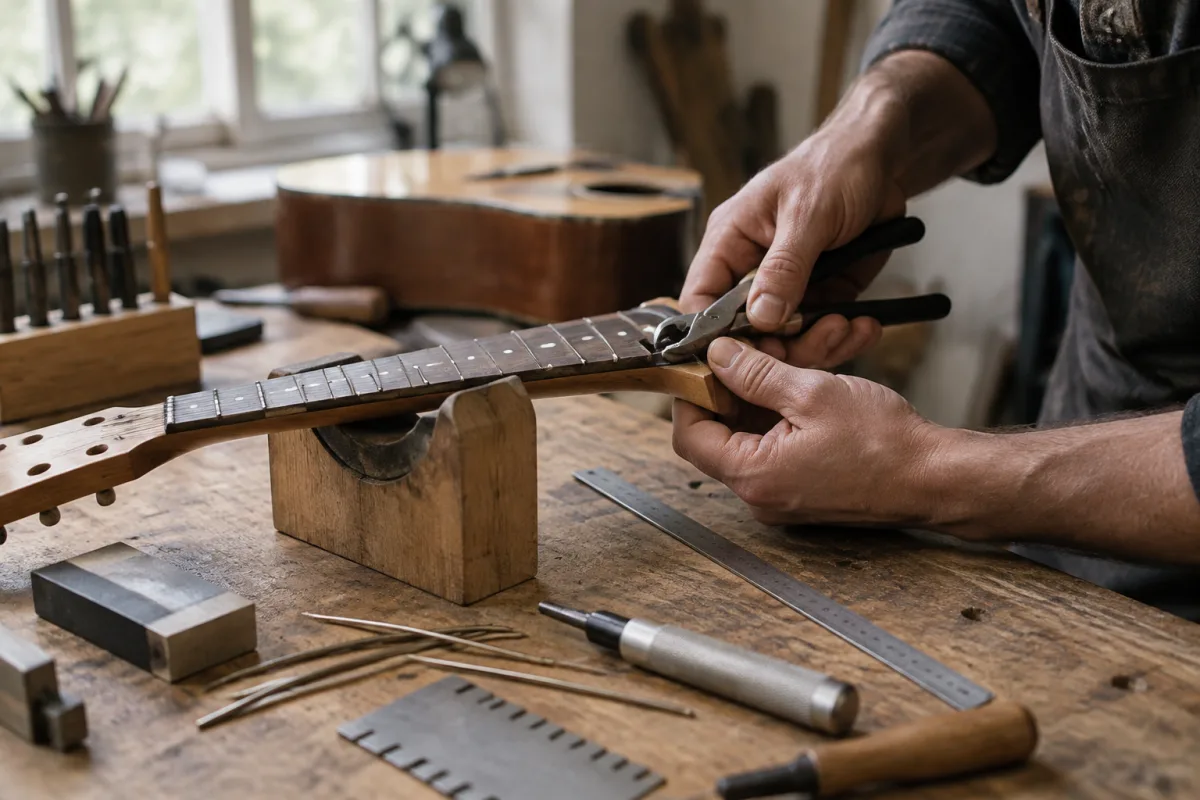
If you're planning to replace or upgrade the frets on your Fender Telecaster, understanding what makes a quality fret set and how to evaluate your options will save you money and prevent costly mistakes. This guide covers the essential specs, what to inspect before purchasing, common pitfalls, and the different price tiers available for Fender Telecaster frets.
Understanding Fret Specifications for Your Telecaster
Fender Telecaster frets come in several standard specifications that directly impact playability, durability, and overall feel. The most critical specification is fret size, typically measured by crown height and width. Telecasters traditionally use medium or jumbo frets, though your specific model and production year determine the original spec.
Fret material matters considerably. Nickel-silver (a copper-nickel alloy) is the industry standard, offering a good balance of durability and workability. Some premium fret sets use stainless steel, which resists wear better but requires specialised tools for installation and dressing. Stainless frets are significantly more expensive and may not justify the cost unless you're a touring professional or your Telecaster receives exceptionally heavy use.
Crown profile varies subtly between manufacturers and fret sizes. A properly crowned fret ensures consistent contact with your strings. Narrow and thick crowns suit different playing styles and string tensions, so matching your guitar's original profile (or deliberately choosing a different one) affects how your Telecaster feels and sounds.
What to Check Before You Buy
Before purchasing a fret set, identify your Telecaster's original fret size. Check the manufacturer's specifications by year and model. If documentation isn't available, measure an existing fret using digital callipers or consult a qualified luthier. Attempting to install incorrect frets wastes money and potentially damages your fretboard.
Verify the fret crown profile. Many suppliers offer "standard" Telecaster profiles, but vintage and reissue models sometimes use non-standard specs. Contact the manufacturer if you're uncertain.
Examine the quantity included. A complete fret set for a Telecaster typically includes 22 frets (standard on most Fenders), though some models have 21 or 24. Confirm the set matches your guitar before purchasing, and always buy from sellers who clearly specify the fret count and size.
Look for fret sets with even crown height and consistent material quality across all frets. Reputable manufacturers photograph fret sets under consistent lighting so you can inspect for defects. Avoid suspiciously cheap sets from unknown suppliers, as poorly manufactured frets will never seat properly on your fretboard.
Common Purchasing Pitfalls to Avoid
One major mistake is confusing fret gauge with fret size. Gauge refers to the overall thickness of the fret wire, while size refers to the crown dimensions. Purchasing the wrong specification is a costly error.
Another pitfall involves mixing fret materials and sizes within a single set. Always buy complete sets from reputable manufacturers rather than cobbling together frets from different sources. Consistency across all 22 frets is essential for proper installation and playability.
Many buyers underestimate installation complexity. Removing old frets damages fretboard material if done carelessly. Unless you possess specialised tools (fret pullers, crowning files, a reliable straight edge) and experience, professional installation is strongly recommended. Factor this cost into your purchasing decision, as it often exceeds the cost of the frets themselves.
Don't assume upgrading to stainless steel frets will solve playability issues. If your current Telecaster plays poorly, the frets may not be the culprit. Neck relief, truss rod adjustment, and nut conditions often cause more problems than worn frets. Diagnose the issue before investing in a complete refret.
Price Tiers and What You're Getting
Budget fret sets (£30-60) typically feature nickel-silver wire in standard profiles. These work adequately for repair and restoration but may include minor inconsistencies in crown height or material quality. Suitable for vintage restoration or student instruments where perfection isn't essential.
Mid-range sets (£60-120) represent the sweet spot for most players. Brands like Dunlop and Stew-Mac offer consistently high quality, with careful QC and reliable shipping. You're paying for reliability and confidence that every fret will seat properly.
Premium nickel-silver sets (£120-200) feature hand-selected wire, precise crowning, and superior material consistency. These suit players who demand the best and don't mind paying for it.
Stainless steel sets (£200-400+) offer maximum durability but require specialised installation. Only consider these if your Telecaster will see heavy touring use or if you specifically prefer the feel of stainless frets.
Where to Source Quality Frets
Established music supply retailers like Stew-Mac, Dunlop, and Fender themselves offer reliable products with clear specifications and reasonable return policies. These suppliers typically provide detailed product photos, fret counts, and installation notes.
Direct fret manufacturers in Europe and Asia can offer competitive pricing if you're willing to wait for international shipping. However, communication and returns become more complex with overseas vendors.
Always purchase from sellers who clearly specify fret size, crown profile, material, and fret count. Request photos if buying online. Avoid marketplace listings with vague descriptions like "Telecaster frets" without precise specifications.
Making Your Purchase Decision
Your budget and playing style should guide your choice. A working musician who gigs regularly benefits from premium nickel-silver frets and professional installation. A hobbyist with a vintage Telecaster can adequately restore it with budget-friendly options, provided a skilled luthier handles installation.
Consider the total cost: frets plus professional installation (typically £150-300) often exceeds buying the frets alone. Some players choose to have a qualified technician remove old frets, then send the fretboard to a fret manufacturer's installation service, which may be more economical than local luthier rates.
Finally, purchase from sellers offering clear return policies. If frets arrive damaged, correctly-crowned, or in quantities that don't match your Telecaster, you'll want recourse. Reputable suppliers stand behind their products because consistency directly affects customer satisfaction and word-of-mouth reputation.
Final Thoughts
Buying frets for your Fender Telecaster doesn't require expert knowledge if you approach the decision systematically. Verify specifications, purchase from established suppliers, budget for professional installation, and avoid common pitfalls like mixing materials or attempting DIY installation without proper tools. For detailed information about your specific Telecaster model, refer to our complete guide to Fender Telecaster frets, which covers the topic in depth.


Comments