


ESP Electric Guitar article
Esp Electric Guitar for Beginners: A Complete Guide
Nervous about starting guitar? This beginner's guide walks you through choosing an ESP electric guitar, your first week, and how to build consistent practice.
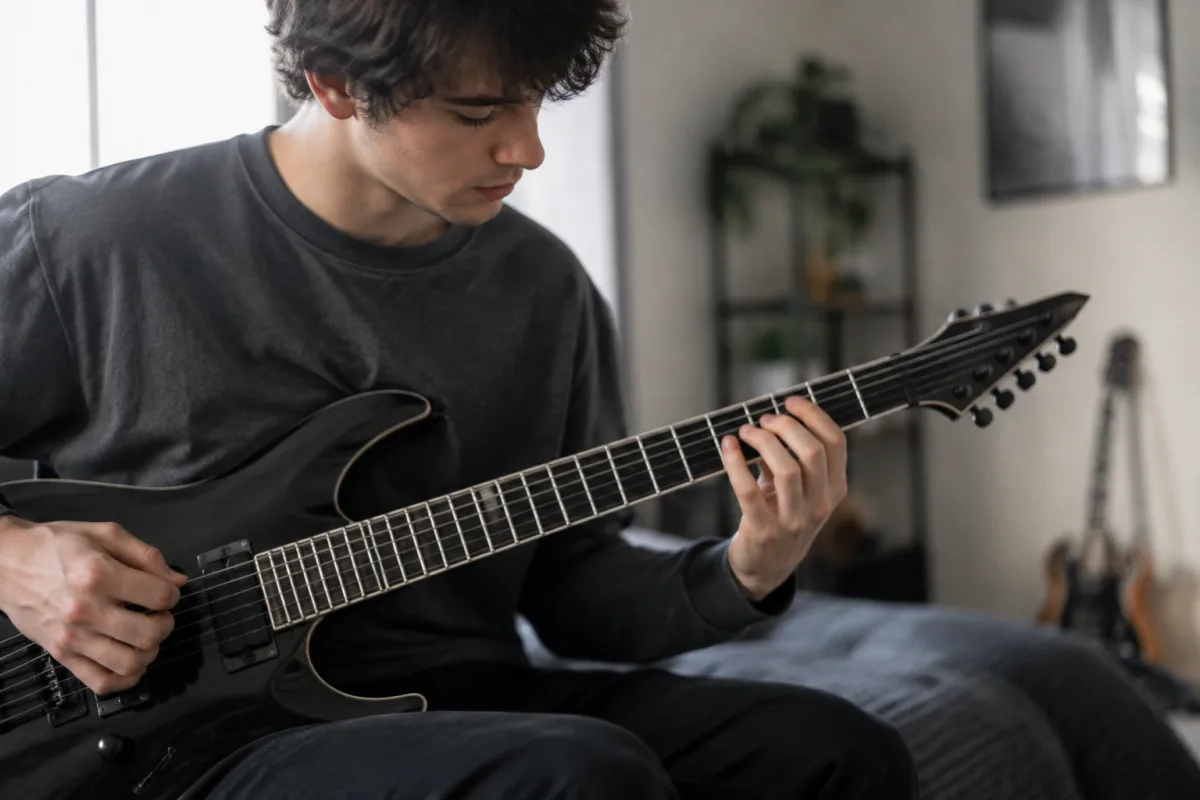
Starting your guitar journey can feel overwhelming, but choosing an ESP electric guitar puts you in capable hands. ESP instruments are designed with beginners in mind—they're forgiving to play, reasonably priced, and sound brilliant without requiring years of development. If you're nervous about starting guitar, uncertain whether you'll stick with it, or simply want an affordable instrument that won't discourage you, an ESP electric guitar removes many barriers to getting started.
Why ESP Electric Guitars Work for Beginners
ESP, particularly their LTD line, excels at delivering playability without premium pricing. Beginning guitarists worry about hand fatigue, finger soreness, and whether they're wasting money. ESP guitars address these concerns. The neck widths suit smaller hands comfortably; the action (string height) comes factory-set for accessible playing; and the build quality means you're not fighting a poorly constructed instrument while learning fundamentals. Many experienced guitarists secretly prefer ESP's practical approach to design over more prestigious brands—there's wisdom in starting with instruments designed for real-world playing rather than studio perfection.
Overcoming Your First Fear: "Will This Hurt?"
Nearly every beginner worries about finger pain when starting guitar. Yes, calluses develop. Yes, the first week brings mild finger soreness. But here's the encouraging truth: this passes quickly, usually within two weeks of regular practice. ESP guitars reduce this initial discomfort through thoughtful design. The neck profile is comfortable for developing hands; the string gauge (thickness) is moderate; and the frets are well-finished, minimising friction. Start with 15-30 minute practice sessions, build gradually, and within a month you'll forget pain was ever an issue. Thousands of guitarists learned on ESP instruments without regretting the experience.
Understanding the Essentials Without Overcomplication
Beginners often paralysed by options. You don't need an expensive guitar, extended warranties, or premium accessories to start. An ESP LTD electric guitar (£300-£500), a basic amplifier (£80-£150), and a pack of strings (£10) launch your journey. That's genuinely sufficient. Resist the impulse to spend £1,500 on your first instrument—most people regret over-investing before confirming they'll maintain practice. An affordable ESP lets you invest those savings into a few lessons, which accelerate your progress immeasurably.
Choosing Your First ESP Model
| Model Type | Best For | Price Range | Why It Works |
|---|---|---|---|
| LTD EC-256 | Rock, metal foundations | £300-£450 | Forgiving neck, versatile tone, affordable |
| LTD M-100FM | Faster playing styles | £350-£500 | Thin neck aids finger movement, modern design |
| LTD-256 | Classic rock, blues exploration | £280-£400 | Comfortable dimensions, versatile sound |
First Week Mindset: Patience Over Perfection
Your first week will feel clumsy. Strings buzz slightly as your fingers find proper positioning. Chord changes take conscious thought. Melodies sound fumbling. This is completely normal and happens to every guitarist—recognise it as growth, not failure. ESP guitars reward consistent effort; within weeks, technique improves dramatically as muscle memory develops. The best beginner guitarists aren't those with natural talent; they're those who practise regularly and accept early frustration as part of learning. Start with simple exercises, master one chord change before another, and celebrate small improvements.
Practical First Steps & Routine
Week one focuses on comfort and familiarity. Spend 20-30 minutes daily with the guitar simply resting on your lap, experimenting with strings, learning how it feels. Discover open strings (the notes you get without fretting). Play them repeatedly until the sound becomes familiar. Your finger placement matters less than building comfort with the instrument. By week two, begin exploring basic open chords (E, A, D). Don't expect immediate perfection—consistent daily practice trumps occasional marathon sessions. Muscle memory develops through repeated, relaxed practice rather than frustrated intensive effort.
Common First Mistakes & How to Avoid Them
Most beginner frustrations stem from predictable mistakes. First, pressing strings too hard—beginners assume pressure prevents buzz; typically moderate pressure suffices. Second, insufficient finger spacing—your fingers need clear separation to avoid muting adjacent strings. Third, neglecting the thumb position—thumb placement behind the neck dramatically aids reach and comfort. Fourth, giving up during the first sore-finger period—this temporary discomfort passes; pushing through rather than abandoning practice makes the difference. Fifth, isolating yourself without learning resources—even one lesson clarifies fundamental techniques, accelerating progress dramatically.
Amplifier Selection Doesn't Need to Be Complicated
An ESP electric guitar requires amplification. Beginning guitarists often overthink this. A simple 15-20 watt practice amplifier (£80-£150) covers all learning needs. It's plenty loud for bedroom practice, direct enough for immediate feedback on your playing, and affordable enough that experimentation doesn't risk significant investment. Avoid spending £500+ on an amplifier until you're gigging or recording; focus resources on practice time instead. Popular beginner-friendly amps include Marshall MG15, Boss Katana Mini, or Roland Micro Cube—solid, reliable, and designed specifically for developing musicians.
Why Chord Changes Will Click Sooner Than You Think
Chord changes feel impossibly slow initially. Your first changes might take 3-4 seconds; chord transitions dominate early practice. Within 4-6 weeks, this accelerates dramatically. Your fingers start anticipating positions; muscle memory removes conscious thought. Suddenly, changes happen smoothly without concentration. This isn't because you became talented; it's because repeated practice embedded the movements into muscle memory. Expect slow progress initially; expect rapid advancement after 4-6 weeks of consistent practice. Most beginners underestimate this transformation.
Finding Your Musical Motivation
Learning guitar sustains through motivation. Maybe you admire a particular artist or song; learning to play it fuels practice sessions. Perhaps you love a specific genre (rock, blues, metal); focusing early efforts there maintains enthusiasm. Maybe you dream of jamming with friends; that social goal drives consistency. Identify your "why"—the reason you want to play—and reference it when practice feels tedious. Beginners who connect playing to genuine passion practise consistently; those learning guitar as abstract skill struggle with motivation. Your ESP guitar plays any genre; choose one that excites you.
When (and How) to Seek Guidance
You don't need formal lessons to start, but even one or two improves fundamentals remarkably. A teacher or experienced friend identifying your grip, posture, and fretting technique accelerates learning and prevents frustration-inducing bad habits. YouTube offers excellent free resources; channels like JustinGuitar provide structured beginner programmes. Even 20-30 minutes monthly with an experienced guitarist accelerates progress beyond months of solo practice. After month one, when you've discovered you enjoy playing, investing in lessons becomes worthwhile.
Understanding You're in Excellent Company
Thousands of accomplished guitarists started on affordable ESP instruments. The guitar wasn't the limiting factor; consistent practice was the driver. You're not disadvantaged starting with an LTD model versus premium alternatives. In fact, many professionals credit beginner-friendly instruments with maintaining early motivation—they're forgiving enough to sound pleasant while rewarding practice with obvious improvement. Your ESP electric guitar will serve you excellently through your first year and beyond; focus effort on consistent practice rather than equipment anxiety.
Building Confidence Through Incremental Wins
Each week brings tangible progress. Week one: you've held the guitar comfortably. Week two: open string scales sound clean. Week three: your first chord forms without buzz. Week four: you change chords with minimal hesitation. Week eight: you're playing simple songs. This progression reinforces confidence. Celebrate these incremental victories rather than fixating on distant mastery. Your ESP guitar enables this progression beautifully; it rewards effort with immediate, satisfying feedback.
Your First Year Roadmap
Months 1-2: Master basic open chords and changes. Months 2-3: Learn simple songs (usually three-chord progressions). Months 3-6: Explore rhythm playing and basic picking patterns. Months 6-12: Add barre chords, expand your repertoire, discover playing styles that excite you. This progression is remarkably consistent across beginning guitarists; ESP guitars support each phase through playable design and reliable tone. After your first year, you'll possess sufficient skill to recognize your strengths and explore specialization—fingerstyle, metal, blues, whatever calls you.
You're Ready to Start Now
Stop waiting for perfect conditions or complete knowledge. Every accomplished guitarist started exactly where you are now—nervous, excited, and uncertain. Your ESP electric guitar is fully capable of supporting your journey. The only requirement is showing up consistently. Pick up your guitar daily, practice deliberately, embrace the learning curve, and watch yourself progress. Within months, you'll play songs that currently seem impossible. For deeper exploration of ESP electric guitars and their capabilities, visit our complete guide to ESP electric guitars.
Conclusion
Beginning guitar with an ESP electric guitar combines affordability with playability—a gentle introduction to instrumental music. Your early journey involves overcoming finger soreness, mastering basic coordination, and building confidence through incremental progress. Within weeks, practice shifts from uncomfortable to enjoyable; within months, you're playing recognizable songs. Every accomplished guitarist experienced this same path. Your ESP electric guitar is ready; the only question is whether you are. Start today.


Comments