


ESP Electric Guitar Buying guide
Esp Electric Guitar: A Complete Buyer's Guide
Buying an ESP electric guitar means navigating a substantial range from affordable student models to professional-grade instruments. This guide shows you exactly what matters when choosing an ESP electric guitar.
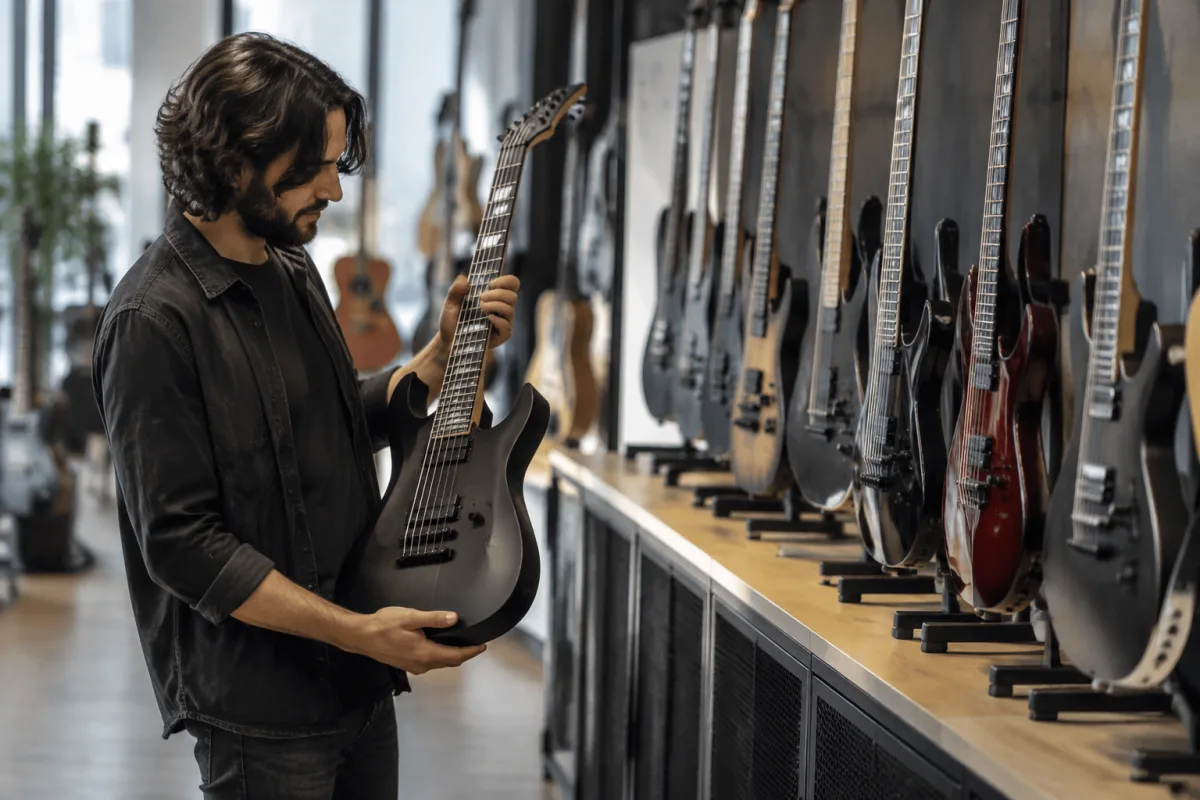
Buying an ESP electric guitar means navigating a substantial range — from affordable student models to professional-grade instruments used by touring musicians. ESP has built its reputation on quality control and innovation, but knowing what to prioritise when choosing a guitar separates a smart purchase from one you'll regret. This guide cuts through the marketing and shows you exactly what matters when buying an ESP electric guitar.
Understanding ESP's Product Tiers
ESP operates three main product lines, each serving a different budget and skill level. Understanding these tiers is essential before you start shopping.
The LTD range is ESP's affordable line, manufactured primarily in Indonesia and South Korea. LTD guitars typically range from £200–600 and represent genuinely solid value for rock, metal and blues players. They use good hardware and decent electronics, but cost is carefully managed through streamlined design and mass production.
The mid-tier ESP Standard line sits between £800–2000 and represents a significant step up in build quality, wood selection, and finishing. These guitars are partially assembled in Japan or the USA, with more attention to detail and better control over quality. If you're a serious amateur or gigging musician, this tier offers the best value proposition.
The top-tier ESP Custom Shop and signature models cost £2500 and upwards. These are built to individual specification, often with premium tonewoods, exotic finishes, and ultra-precise craftsmanship. Buy this tier if you're a professional, have specific tonal requirements, or simply want the absolute best.
Body Wood and Tone: What Actually Matters
ESP uses several body woods, each with acoustic properties that shape tone. Mahogany produces warm, thick tone with pronounced mids — ideal for blues, classic rock and metal. Alder offers a brighter, punchier character with good sustain. Ash delivers snap and clarity, popular in rock and funk.
The popular assumption is that expensive wood equals better tone. This isn't entirely accurate. A well-built mahogany guitar at £400 will sound more characterful than a poorly executed exotic wood guitar at the same price. What matters is the skill in construction and finishing, not exotic labelling. If two ESP models quote the same body wood, the more expensive one likely has better electronics, hardware, and finishing — not a fundamentally different timber.
At the buying stage, choose wood based on the tone you're after, not price. Listen to demos of guitars made with each wood type and choose what appeals to your ear.
Neck Profile and Playability
ESP offers various neck profiles depending on the model. The thin, flat profiles (common in newer LTD models) suit fast playing and modern techniques — excellent for metal and punk. Thicker, more rounded necks (found in vintage-inspired or high-end models) offer comfort for jazz, blues and classical technique.
This is critical at the buying stage: order a guitar online, and if the neck doesn't feel right, a poor neck profile can't be fixed. Playability is personal. If possible, visit a dealer and try several ESP models to understand how different profiles feel in your hands. If you must buy remotely, check reviews and YouTube videos from players with similar hand size and playing style.
Also inspect the fretwork. Run your finger gently down the side of the fretboard to check for high or low frets. Professional fretwork is invisible; amateur fretwork feels like a washboard. This is something you'll only notice in person, so it's worth the trip to try a guitar before buying if you have a dealer nearby.
Electronics and Pickups
The pickups — the magnets under the strings that convert vibration to electrical signal — define your guitar's voice. ESP uses pickups from several manufacturers depending on the model. Their house-brand pickups (found in LTD models) are adequate but generic. Higher-end ESPs often feature Seymour Duncan or EMG pickups, which offer more character and output.
For rock and metal, high-output pickups (usually humbuckers) give you aggression and sustain. For blues and jazz, lower-output single-coils or P-90s offer dynamics and nuance. At the buying stage, listen to clips of the exact pickup configuration you're considering. Don't assume that a famous brand name guarantees your favourite tone — installation, wood, and amp interaction all matter enormously.
Also check the electronics. Some cheaper ESPs use basic switching and potentiometers that feel plasticky and degrade quickly. Mid-range and professional ESPs have proper-quality electronics that will last decades. This is a detail that separates a guitar that frustrates you after two years from one that stays reliable.
Hardware Quality and Stability
Look closely at the tuning machines (tuners), bridge, and tremolo system. Cheap hardware struggles to hold tuning, especially if you use the tremolo heavily. ESP's LTD guitars use acceptable hardware, but if you play rough or use effects heavily, mid-tier hardware is worth the premium.
The bridge is critical. Fixed bridges are simple and reliable. Tremolo systems (vibrato/whammy bars) add expression but require more maintenance. If you're buying an ESP with a tremolo — common in ESP's offset and superstrat designs — play through a dealer's model first. A tremolo that goes out of tune easily or feels unstable is more hassle than it's worth, even on an expensive guitar.
Finish and Aesthetics
ESP offers matte, gloss, and satin finishes. Gloss looks flashy but shows fingerprints instantly and can feel slippery. Matte and satin finishes feel grippier and hide wear better. From a sound perspective, finish thickness doesn't matter enough to justify choosing tone over comfort — pick what feels best in your hands.
Colour and graphics matter only to you. Don't overpay for rare finishes or custom artwork; stick to standard colours and save money. Unusual finishes also resell poorly if you ever sell the guitar.
Common Buying Mistakes to Avoid
Many buyers focus on brand prestige and ignore poor playability. An ESP signature model used by your favourite guitarist might not suit your hands or playing style — don't buy on brand alone.
Others assume that the most expensive ESP is the smartest buy. In reality, a £1200 ESP Standard often delivers better value than a £3000 Custom Shop model if you're not using the guitar professionally. Match your budget to your needs, not aspirations.
Chasing trendy pickup brands is another pitfall. The exact pickup model matters less than its output level (high or low), its voice (bright or warm), and how it interacts with your amp and playing style. A mid-tier pickup in a well-built guitar often beats an exotic pickup in a poorly-made one.
Finally, avoid neglecting the amp in your buying decision. The guitar and amp are a system. A £500 ESP through a poor £100 amp will sound mediocre. A £300 ESP through a good £400 amp will sound excellent. Budget for the complete rig, not just the guitar.
New, Used, or Mint Condition?
New ESPs come with warranty and peace of mind. Used ESPs can offer tremendous value if you're buying from a reputable seller or dealer. Cosmetic damage (dings, scratches) doesn't affect sound, so don't pay full price for absolute mint condition unless the guitar is rare or collectible.
Inspect used ESPs carefully for structural damage — cracks in the body, twisted necks, or failed repairs. These are deal-breakers. Minor fretwork wear and cosmetic marks are normal and nothing to worry about on a used instrument.
If buying used online, use established marketplaces with buyer protection. Never buy a guitar you can't inspect or return.
When selecting an ESP electric guitar, focus on how it feels, how it sounds through an amp you can afford, and whether the construction quality justifies the price. Visit a dealer if you can, trust your ear, and don't be swayed by hype or prestige. For deeper insight into ESP's full range of models and how they compare, explore our complete guide to ESP electric guitars.


Comments