


Vox Bass Amplifiers Buying guide
Vox Bass Amplifiers: A Complete Buyer's Guide
Buying a Vox bass amplifier doesn't need to be confusing. This guide covers what specs matter, which models suit your playing style, and how to avoid costly mistakes.
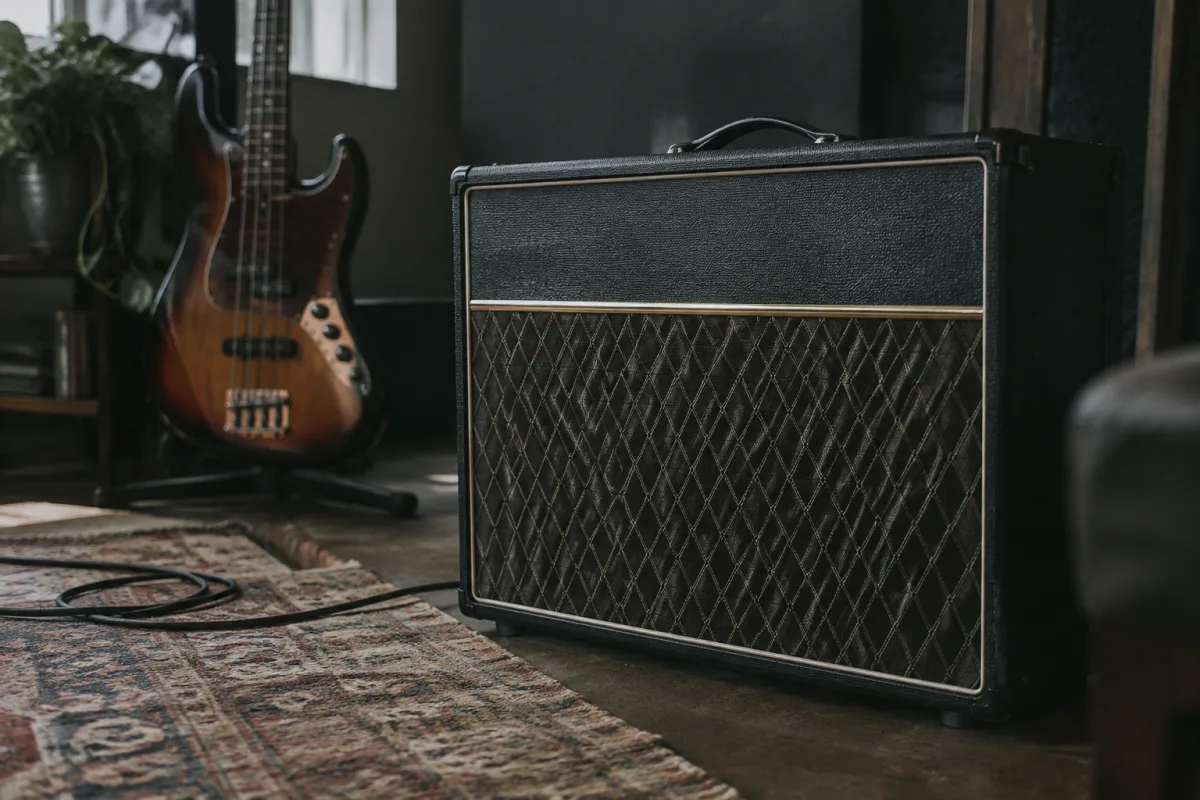
Vox bass amplifiers have a reputation for delivering punchy, articulate tone in a compact format, and they're genuinely popular with working bass players. But buying the wrong one is frustratingly easy. You need to know what wattage actually means, which Vox model suits your playing style, where the trade-offs are, and what you're genuinely paying for. This buying guide strips away the hype and gives you the practical knowledge to choose a Vox bass amplifier that matches your actual needs and budget.
Understanding Vox Bass Amplifier Wattage
Wattage is not the same as volume or tone, and this is where most people get confused. A 30-watt Vox bass amplifier can absolutely be loud enough for small gigs and rehearsals. A 100-watt Vox bass amplifier gives you headroom and flexibility but comes with higher cost and weight. The question isn't "how many watts do I need?"—it's "what kind of playing will I actually do?"
For bedroom and rehearsal space use, a 30 or 50-watt Vox bass amplifier is plenty. These are manageable to carry, affordable, and they'll sound great when properly dialled in. For regular gigging or playing loud venues, you'll want 100 watts or more. But here's the nuance: a well-positioned 50-watt Vox bass amplifier through a good cabinet can often keep up with drums in a small room better than you'd expect, because tone and positioning matter as much as sheer wattage.
Vox Bass Amplifier Types and Configurations
Vox makes several categories of bass amplifier. The combo models combine the amplifier and speaker in one unit—convenient, portable, all-in-one solutions. These are brilliant for beginners and gigging musicians who need something they can literally pick up and go. The Vox Pathfinder Bass 25, for example, is a genuine workhorse: small, lightweight, sounds professional.
Vox also makes head-and-cabinet systems, where you buy an amplifier head and pair it with separate cabinets. This approach gives you flexibility to upgrade pieces separately and lets you match the right cabinet to your tone preferences. It's more complex than a combo, but worth it if you know what you want from each piece.
Then there's the Vox VX series, which bridges the gap with integrated designs that split between the amp section and speaker section in a clever way. Know what category suits your lifestyle before you start shopping, because it affects everything: portability, cost, flexibility, and how you'll actually use the amplifier.
Key Specs to Check Before Buying
Look at the speaker size. Vox uses 10-inch, 12-inch, and occasionally 15-inch speakers in different models. Speaker size affects tone character—10-inch speakers sound punchy and articulate, 12-inch speakers are a balanced middle ground, and 15-inch speakers emphasise low-end. Which one sounds best depends on your style and ear. Play through each if you can, because speaker size matters more than you might think.
Check the output impedance and whether the amplifier can handle cabinet changes. Some Vox bass amplifiers have fixed impedance; others offer flexibility. If you ever want to add a second cabinet or upgrade, this matters. Read the manual or ask a sales person—don't guess.
Look for tone controls and effects. Basic models have treble and bass controls. Mid-range Vox bass amplifiers often add a midrange control or filter. Premium models include reverb, overdrive, or other effects. Decide whether you need these now or if you'll add effects separately through a pedal board.
Vox Bass Amplifier Price Tiers and What You Get
Budget tier (£150–300): Entry-level Vox combos like the Pathfinder Bass 25. These are genuinely solid, reliable amplifiers. They sound professional and build confidence as a player. The downside: fewer controls, simpler tone-shaping, lower wattage. For a beginner or bedroom player, this tier makes perfect sense.
Mid-range tier (£400–700): Vox models with better speakers, more wattage options, additional controls, and more flexibility. These are where you get amplifiers that sound good, feel refined, and handle various playing situations confidently. Most working bass players live in this tier.
Premium tier (£800+): Top-of-the-line Vox bass amplifiers with the best components, most tone-shaping options, and maximum wattage. These are for serious professionals who gig regularly or recording musicians. For 90% of players, this tier is overkill.
Common Buying Pitfalls
Don't buy purely on wattage. A well-chosen 50-watt Vox bass amplifier will outperform a poorly chosen 100-watt model in many situations. Wattage is one variable among many.
Don't overlook the speaker. A Vox bass amplifier's speaker is half its personality. If you hate the speaker's character, you're stuck with it in a combo unless you rewire it—which is expensive. Test the actual speaker sound before committing.
Don't assume more controls mean better tone. Simple amplifiers often sound better than complex ones because there's less electronics in the signal path degrading your tone. More controls are useful if you understand how to use them. If you're still learning, a simpler model might actually serve you better.
Don't ignore weight and portability if you're gigging. A premium 150-watt Vox bass amplifier head is fantastic at home, but if you're hauling it in and out of a van every weekend, you might regret the weight and bulk. Be honest about your lifestyle.
Matching Your Vox Bass Amplifier to Your Playing Style
For slap bass and funk styles, you want articulation and punch—look for combos with 10 or 12-inch speakers and models known for bright, snappy tone. The Vox Pathfinder or similar compact models work beautifully here.
For rock and general bass playing, a balanced 50 or 100-watt combo gives you versatility. Mid-range Vox models excel here because they have enough wattage for gigs but still sound good at lower volumes in practice.
For jazz and more subtle styles, you might prefer a warmer speaker and fewer aggressive tone controls. Again, mid-range Vox bass amplifiers fit well.
For metal and high-output styles, you want headroom and the ability to get aggressive tone when needed. A 100-watt Vox with good overdrive control or effects options works better here.
Where to Test Before Buying
Visit a music shop and play through several models back-to-back. Bring a bass you're comfortable with so you're hearing the amplifier, not struggling with unfamiliar equipment. Try playing quiet and loud; the best amplifier should sound good at both volumes.
Ask friends with experience to let you try theirs. Real-world feedback from working musicians is invaluable. They can tell you which models hold up, which ones develop issues, and which are genuinely worth the money.
For a complete technical overview of Vox bass amplifiers and their development, see the complete guide to vox bass amplifiers.
Final Recommendation
If you're unsure, start with a mid-range Vox combo like the Pathfinder or a comparable model in the £400–600 range. You get enough flexibility and quality to grow into the amplifier, enough wattage for most situations, and you're not overcommitting financially. Once you've played through it for six months, you'll understand what you actually want and need. That's the time to upgrade or specialise. Vox makes genuinely good bass amplifiers at every price point—your job is knowing which one fits your life, your playing, and your budget.


Comments